BLACK FRIDAY IS HERE! ✦ 20% OFF EVERYTHING · Shop the Sale →
About our kilt accessories
Everything you need to complete the outfit, made by hand since 2017
A kilt on its own is only half the outfit. What finishes it — what turns a good kilt into proper Highland dress — is everything that hangs from the belt, sits on the collar, and stands on the feet. Kilt & Jacks has been making these accessories by hand since 2017, in the same workshop and to the same standard as our kilts themselves. Sporrans hand-cut from full-grain leather, belts stitched with solid brass buckles, brogues built on Goodyear-welted soles, Ghillie shirts sewn from Scottish cotton, hats blocked in wool — every piece drafted or sized to the measurements you send us. Prices from $29 for a pin, from $89 for a sporran, from $149 for brogues.
Why the accessories matter more than most buyers think
Two kilts of the same tartan can read completely differently based on what surrounds them. The right sporran turns a plain leather kilt into semi-formal wear; the wrong one turns an eight-yard formal kilt into costume. A pair of proper Highland brogues transforms a wedding outfit; the wrong shoes undo it. A Ghillie shirt with its laced neckline is the reason a tartan kilt reads Scottish rather than generic. These aren't optional add-ons — they're the difference between an outfit and a fancy dress.
Modern kilt buyers often make the mistake of investing in the kilt itself and cheap-ing out on the accessories. The result is a $299 kilt paired with a $12 imported sporran and off-the-shelf shoes — and it shows immediately, particularly in photographs. A properly proportioned outfit spends roughly a third of its budget on the kilt, a third on the jacket if worn, and a third across the accessories. That's the balance Highland outfitters have used for two centuries because it's what looks right.
Sporrans — the centrepiece of Highland dress
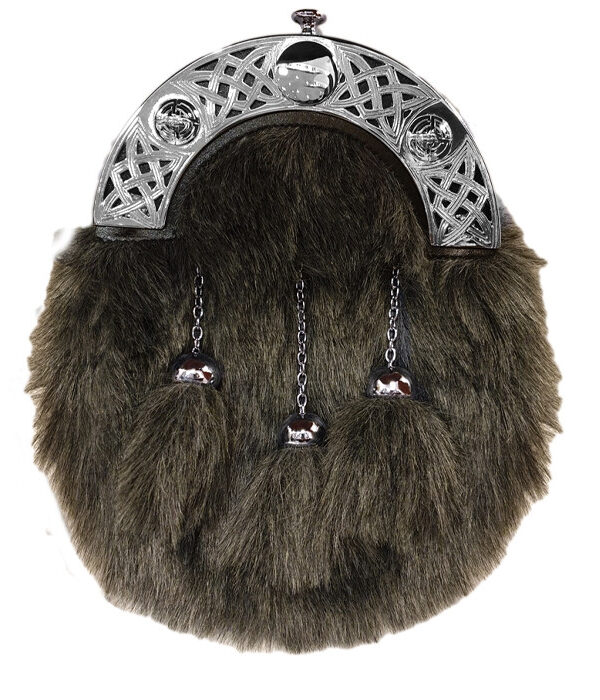
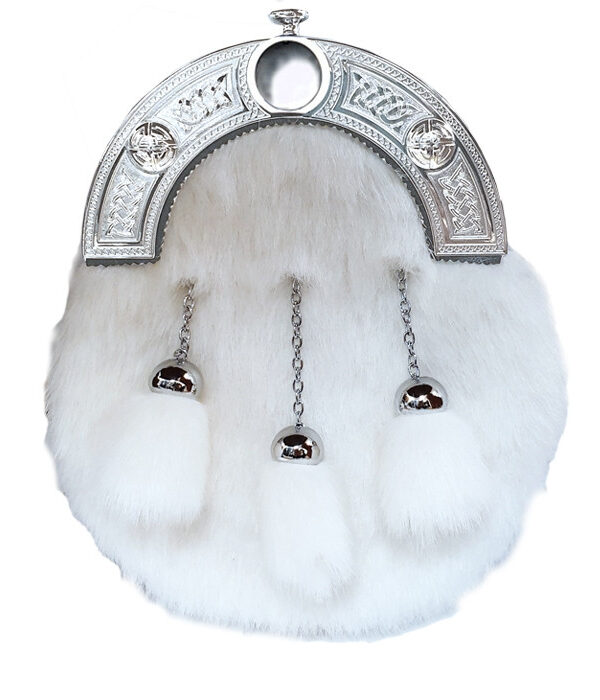
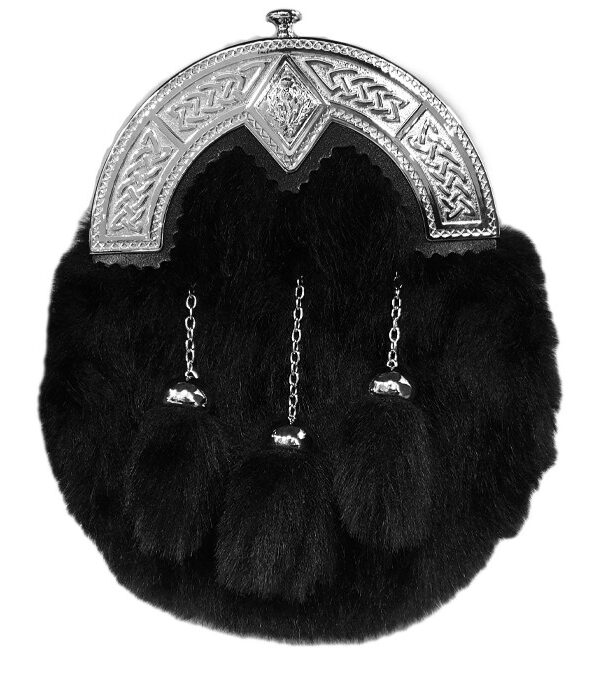
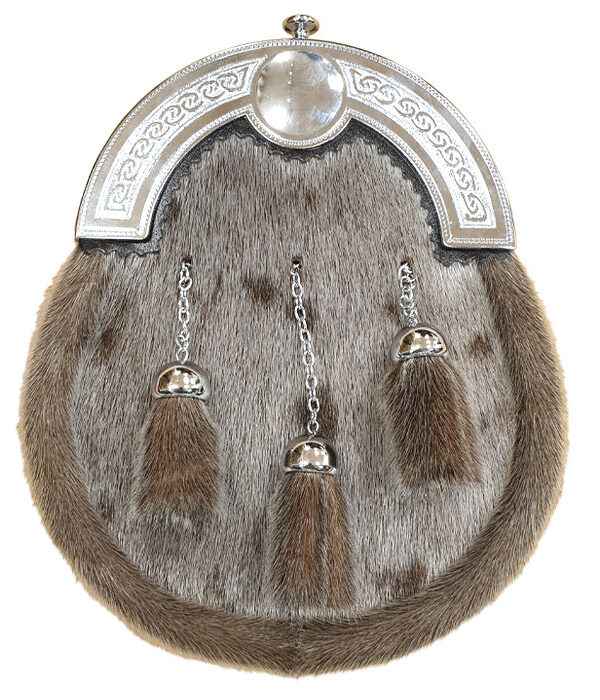
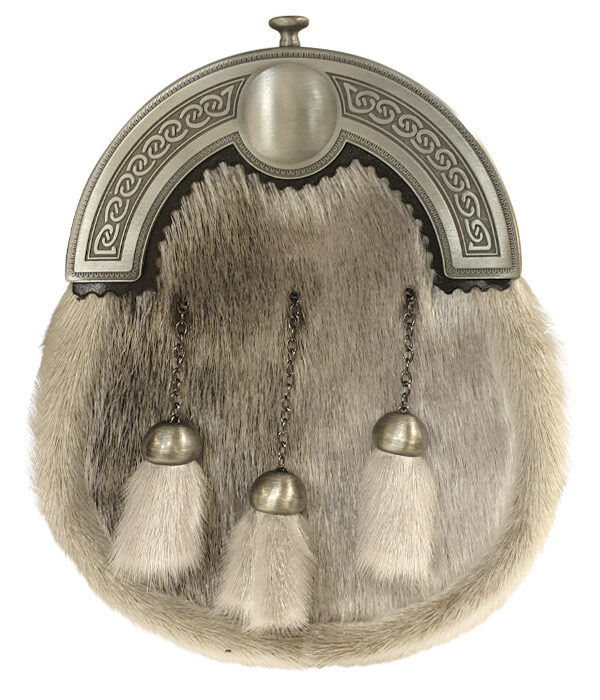
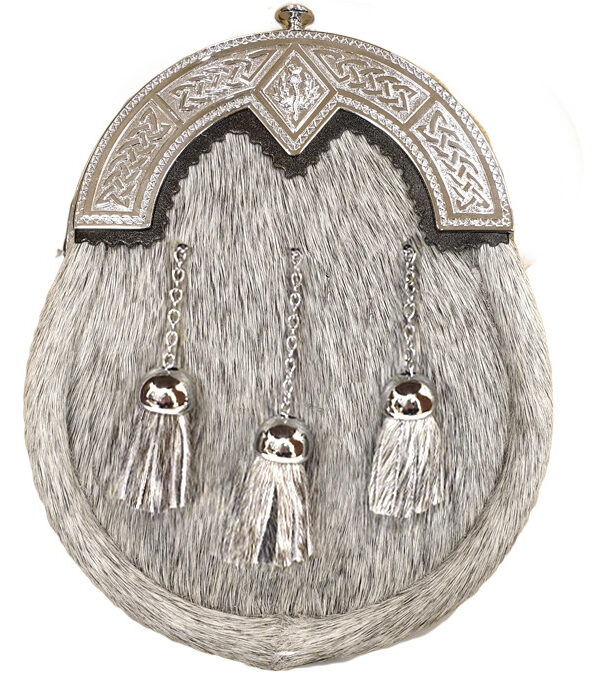
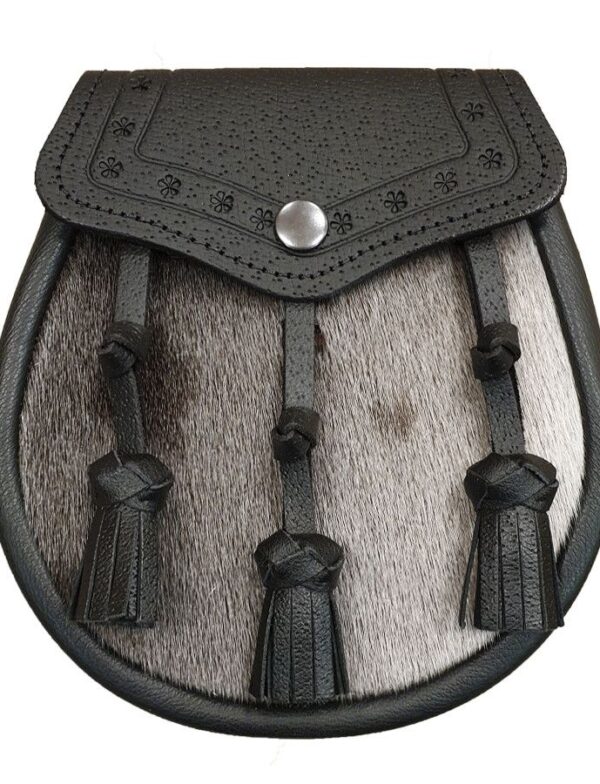
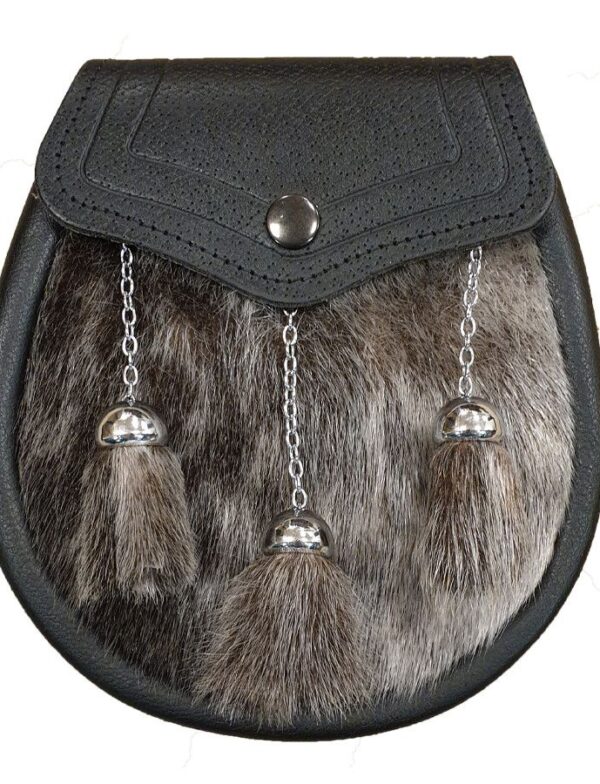
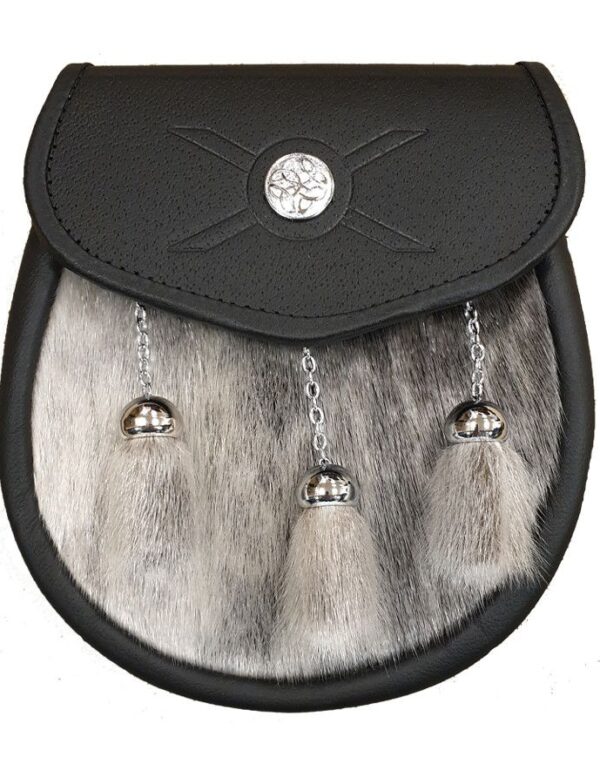
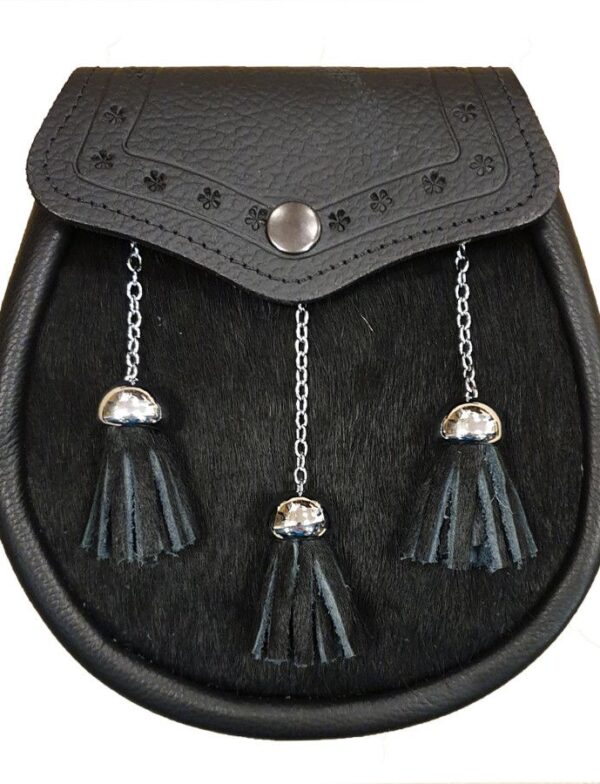
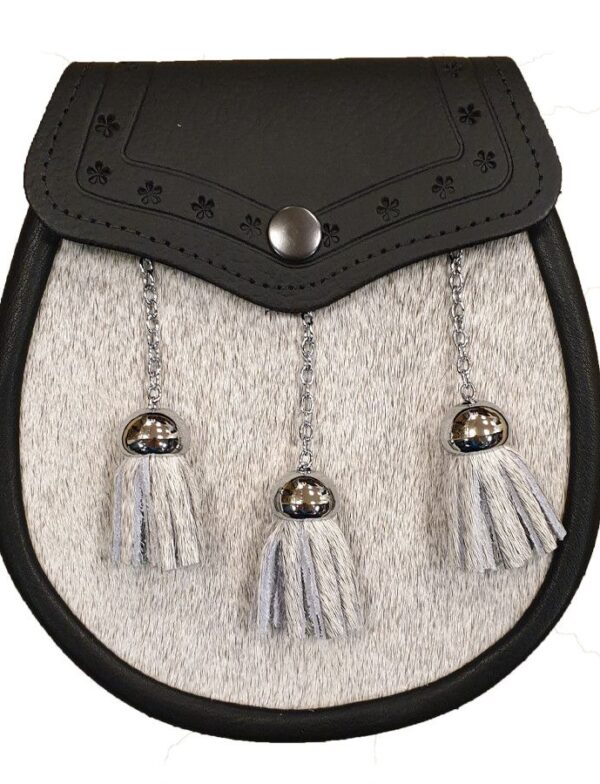
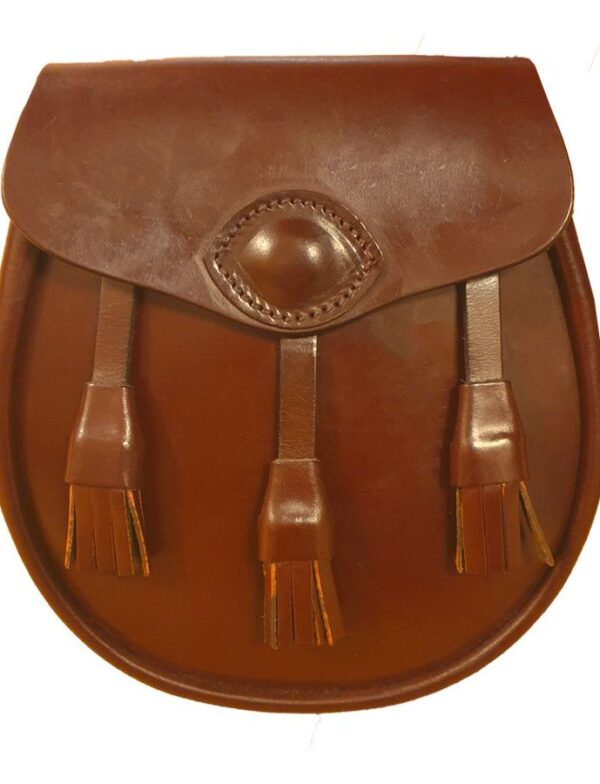
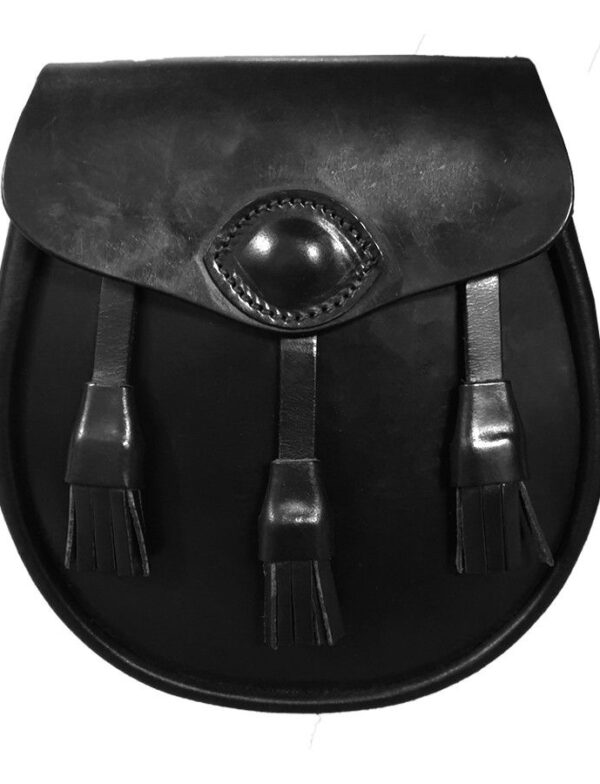
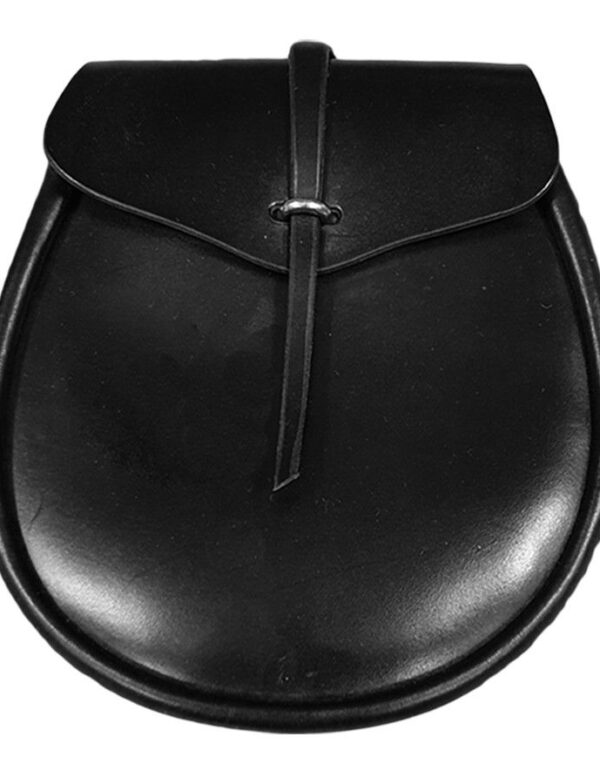
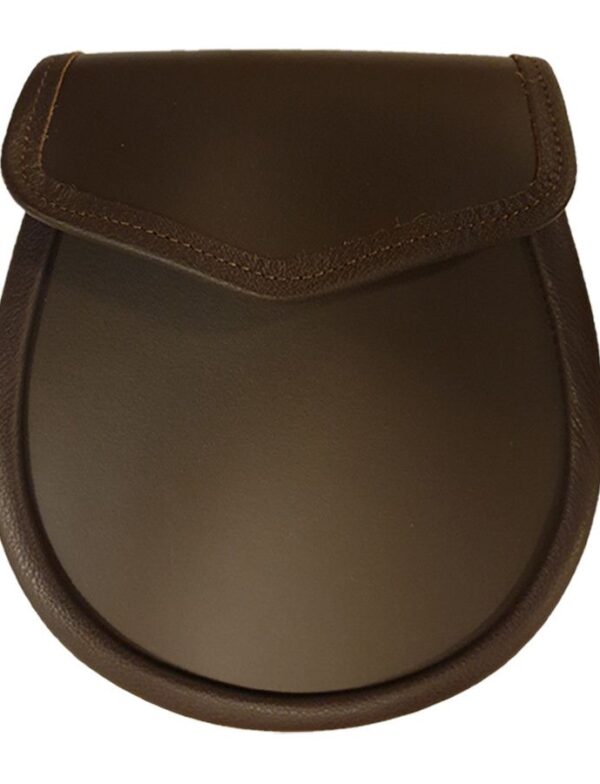
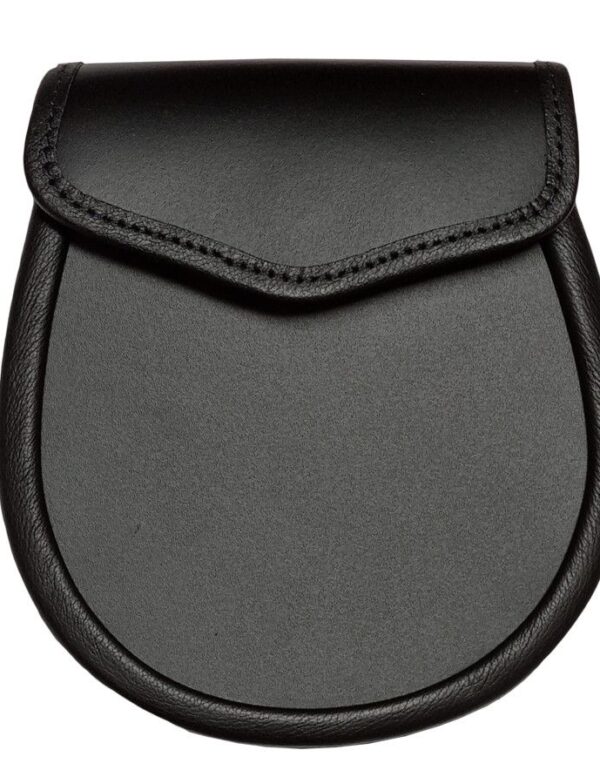
The sporran is the piece that hangs from the front of the kilt belt and does the work a pocket would do on trousers. It's also the accessory that most defines whether an outfit reads casual, semi-formal, or full black-tie. Day sporrans are plain leather with minimal ornament, worn with tweed and casual tartan kilts. Semi-dress sporrans have chrome or brass fittings and light tassels, sitting in the middle ground for Argyll jackets and semi-formal wear. Dress sporrans have fur fronts (sealskin, rabbit, or synthetic) and chrome cantles for Prince Charlie jackets and formal Highland weddings. Hunting sporrans are larger and more practical, historically for game, now more of an aesthetic country-wear category. Browse our full range at sporrans.
Kilt belts and buckles — the structural piece
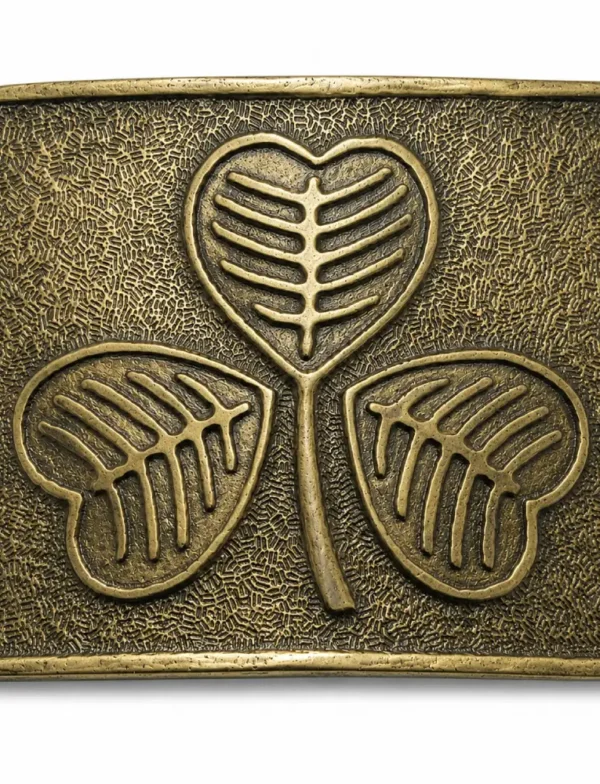
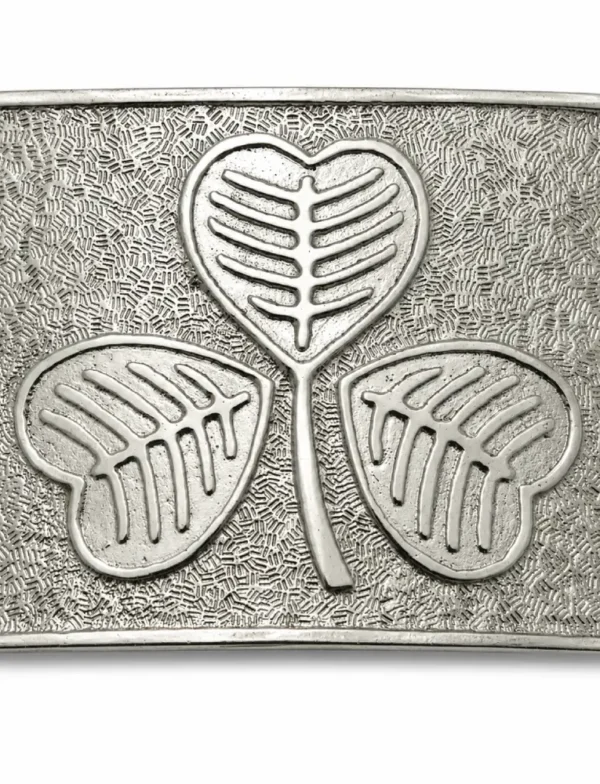
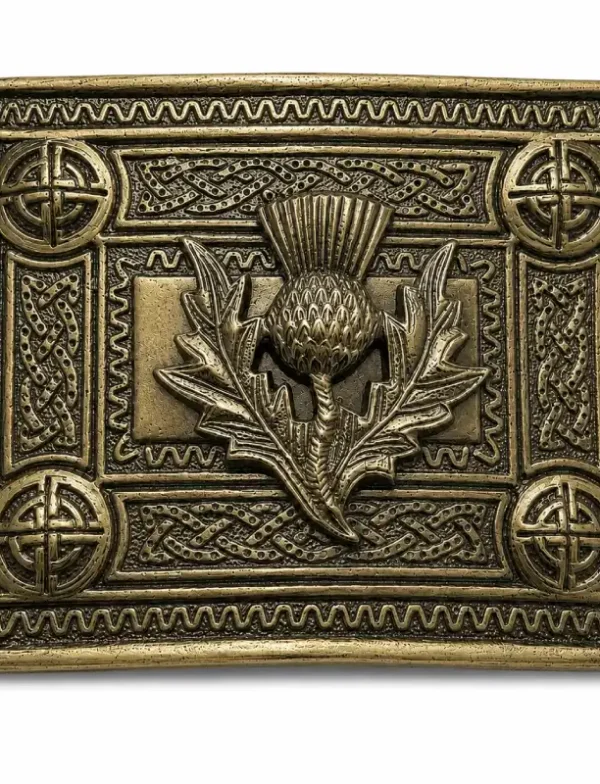
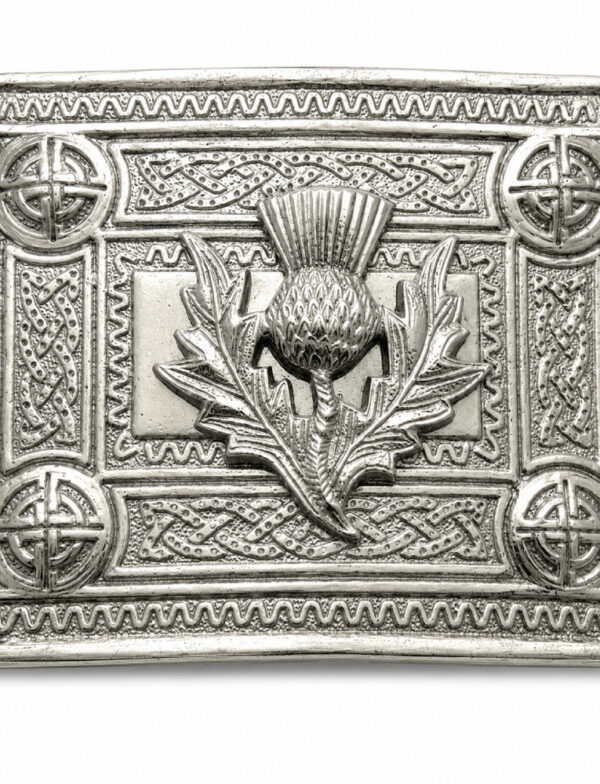
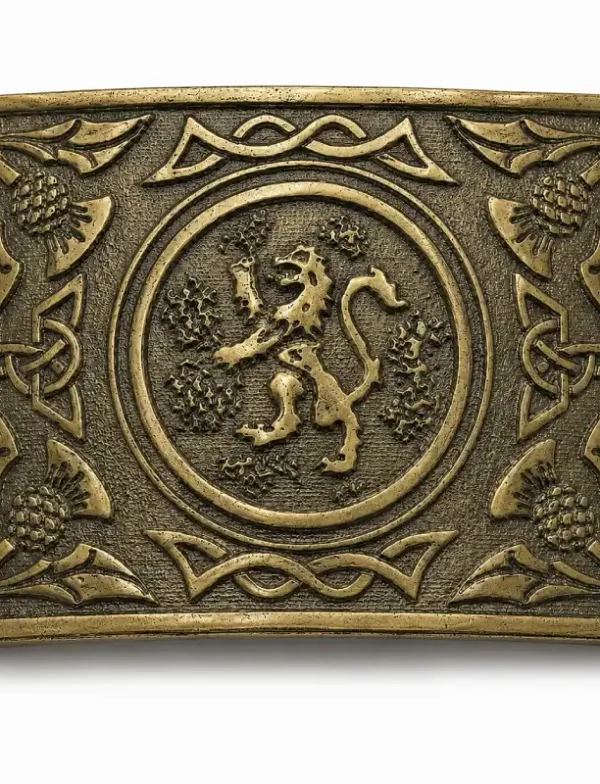
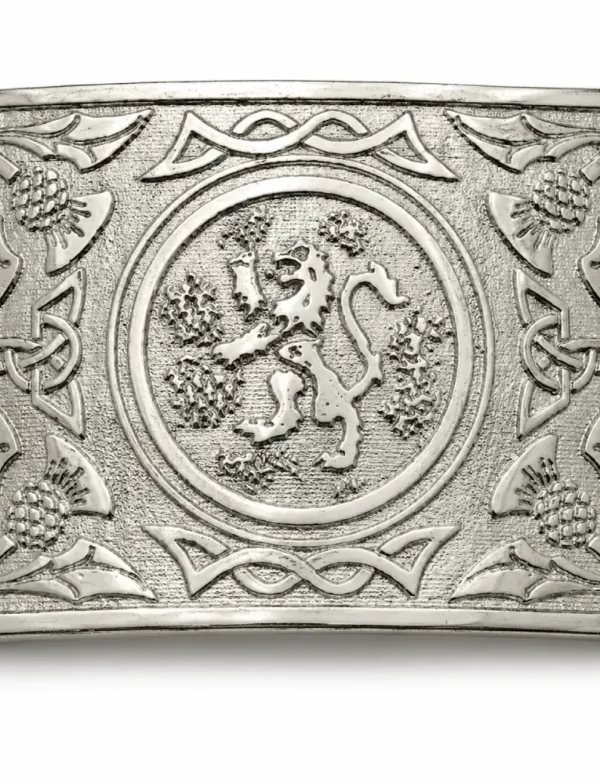
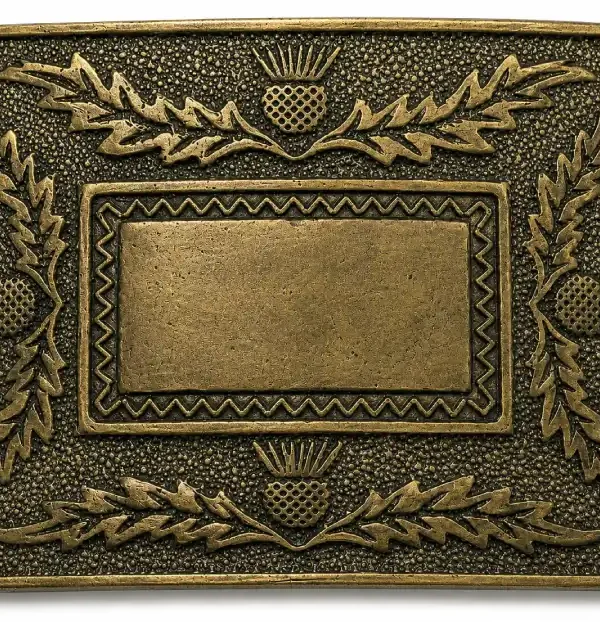
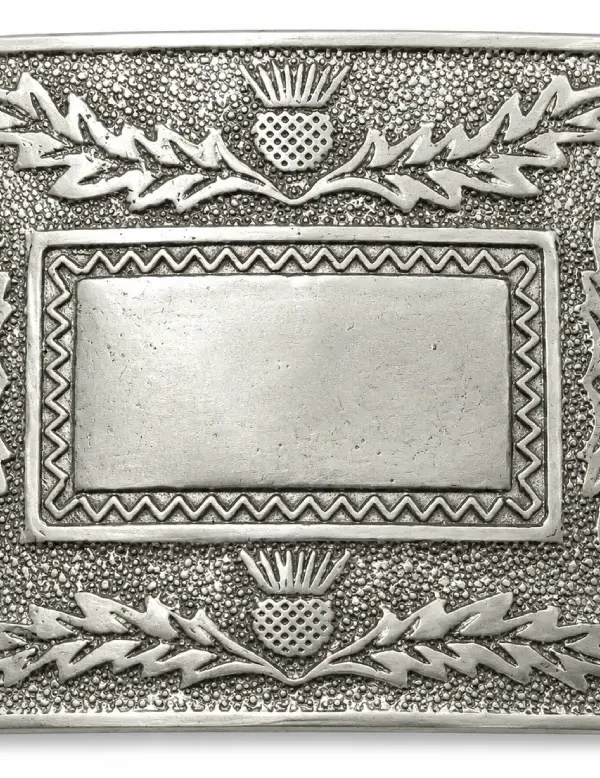
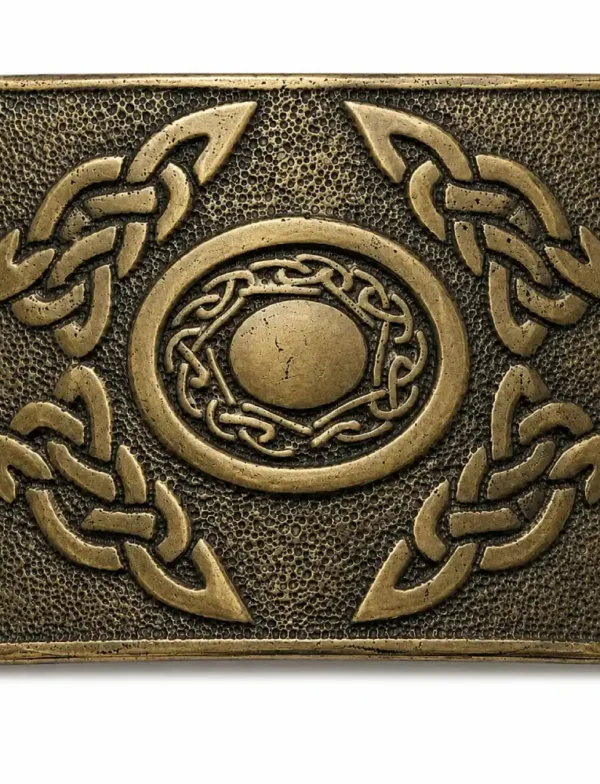
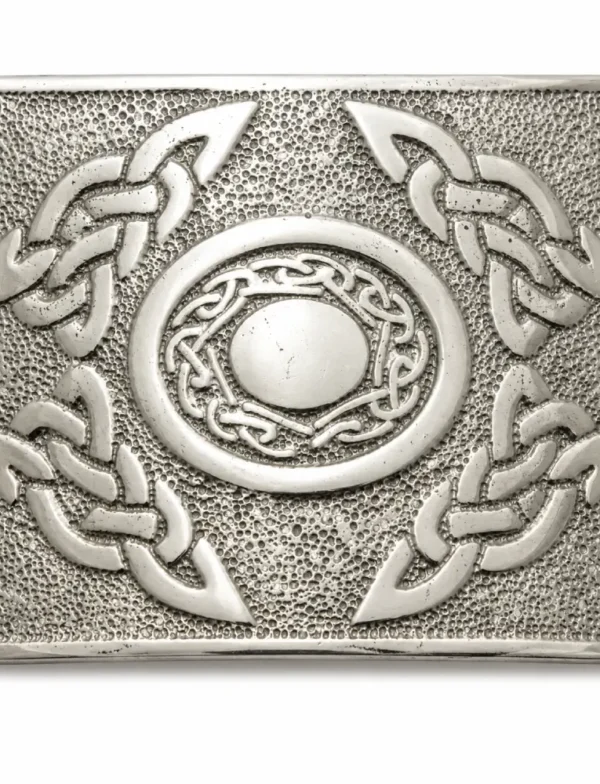
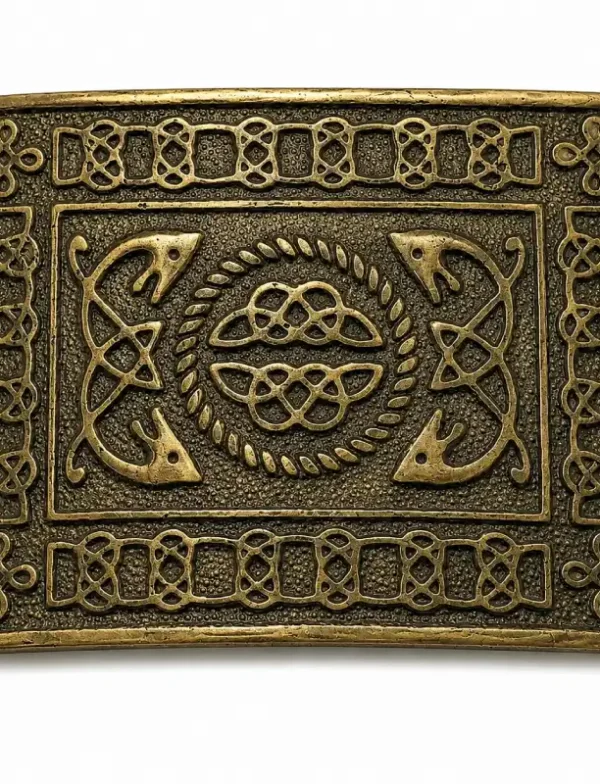
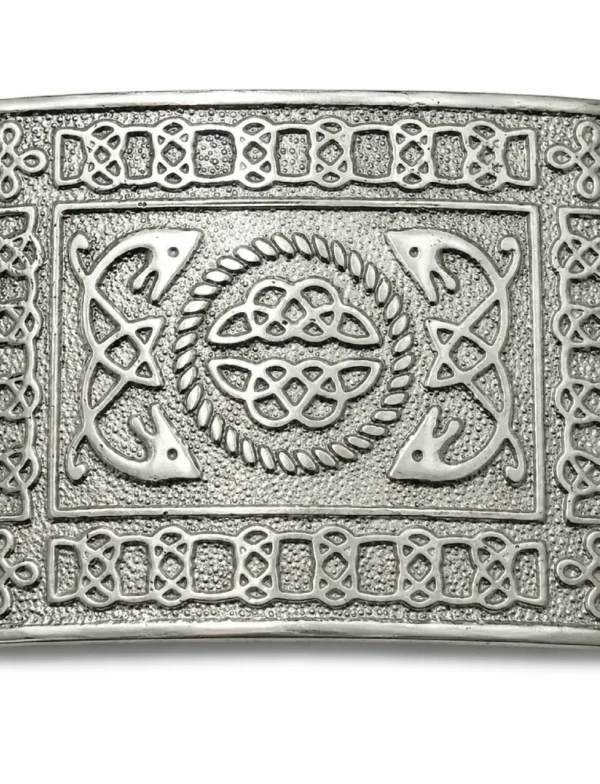
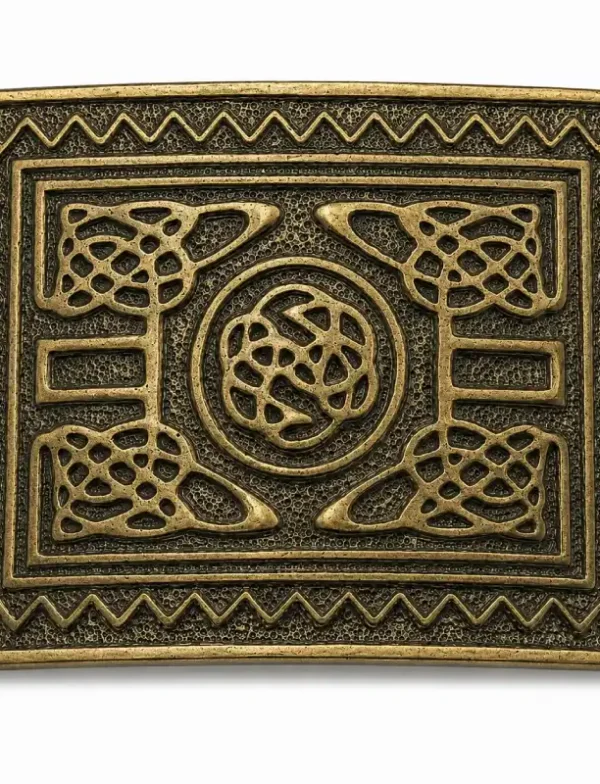
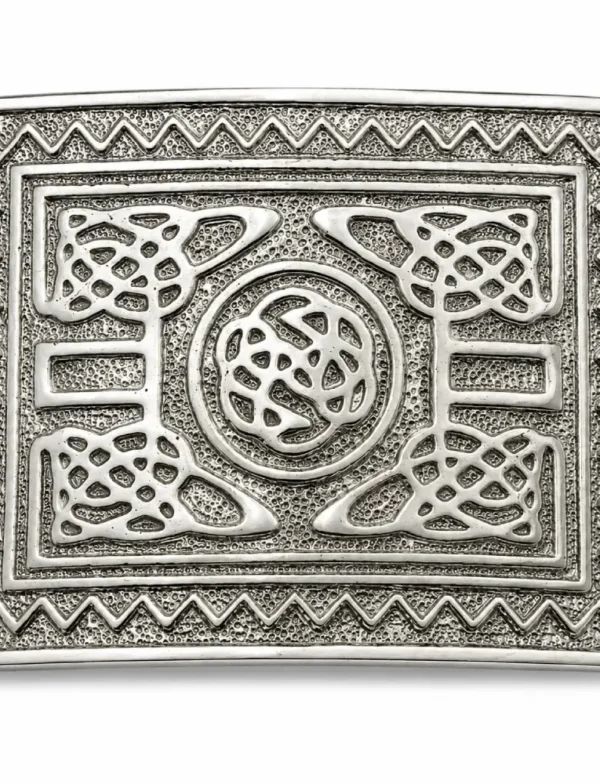
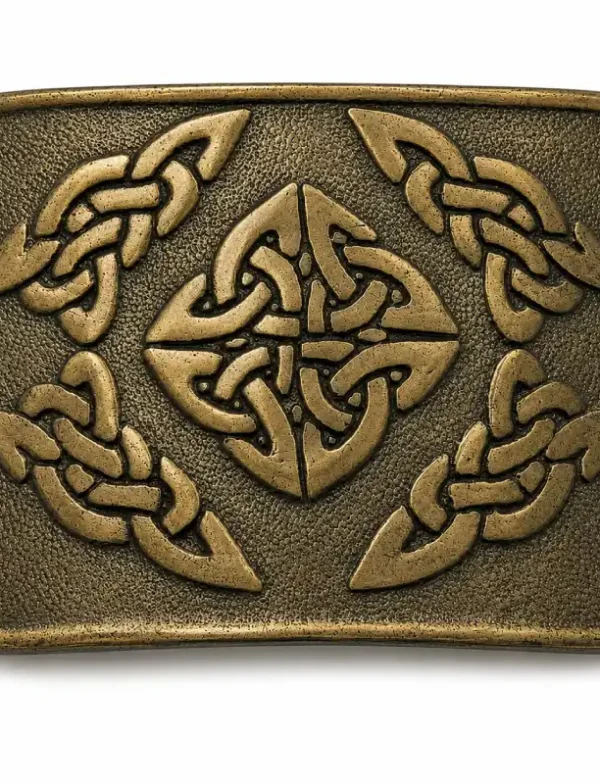
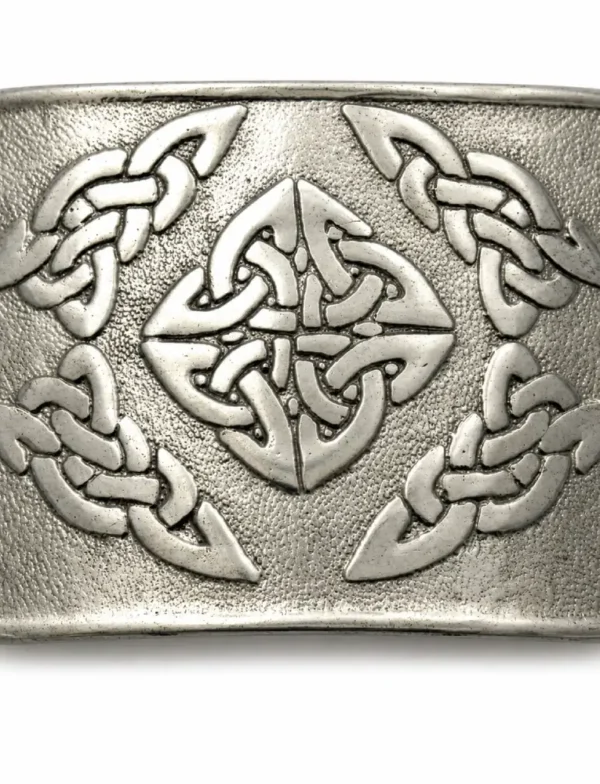
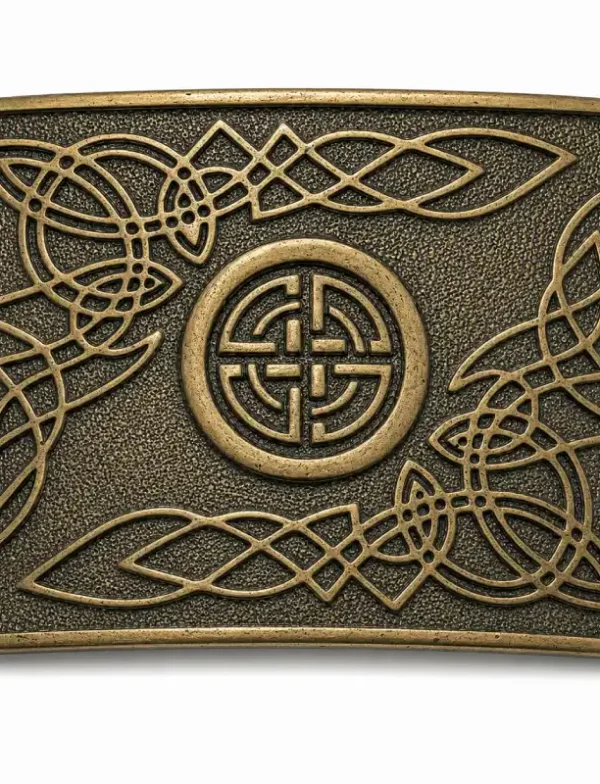
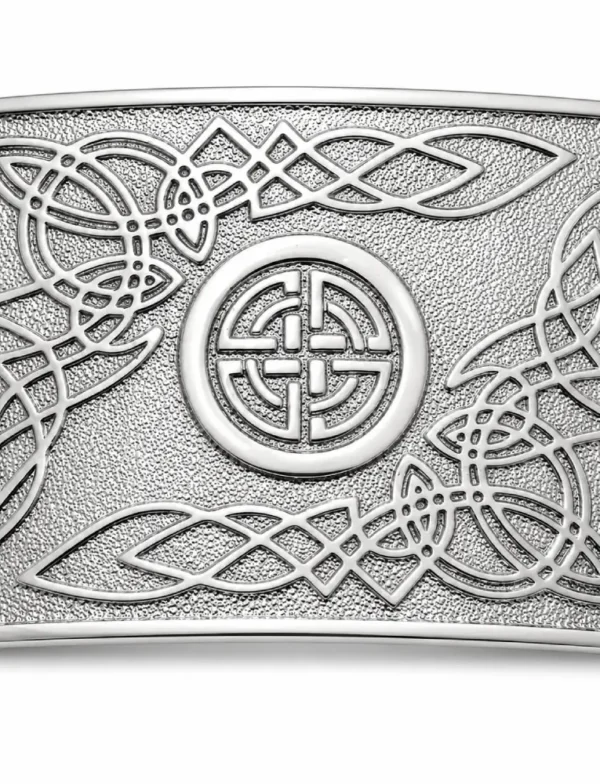
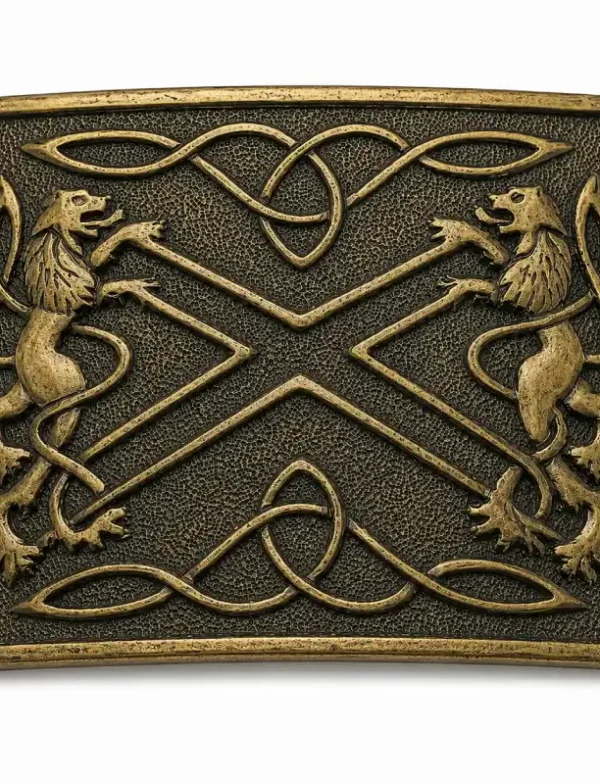
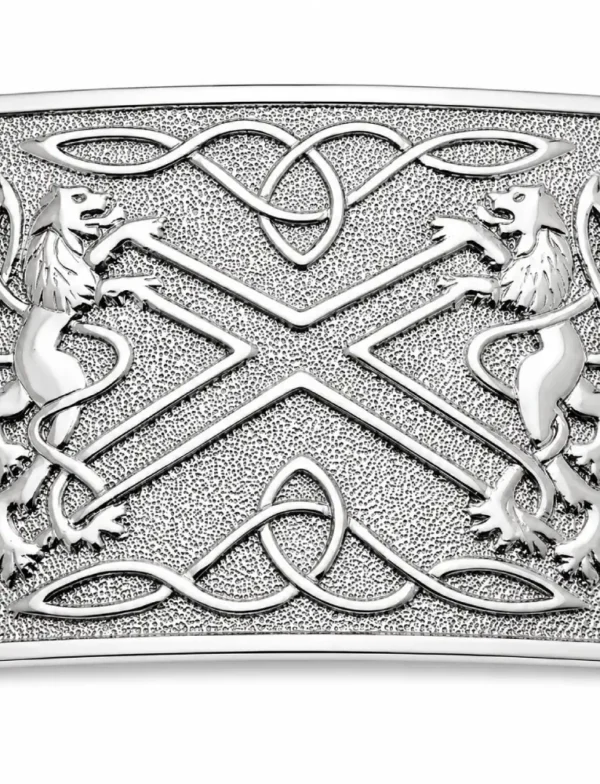
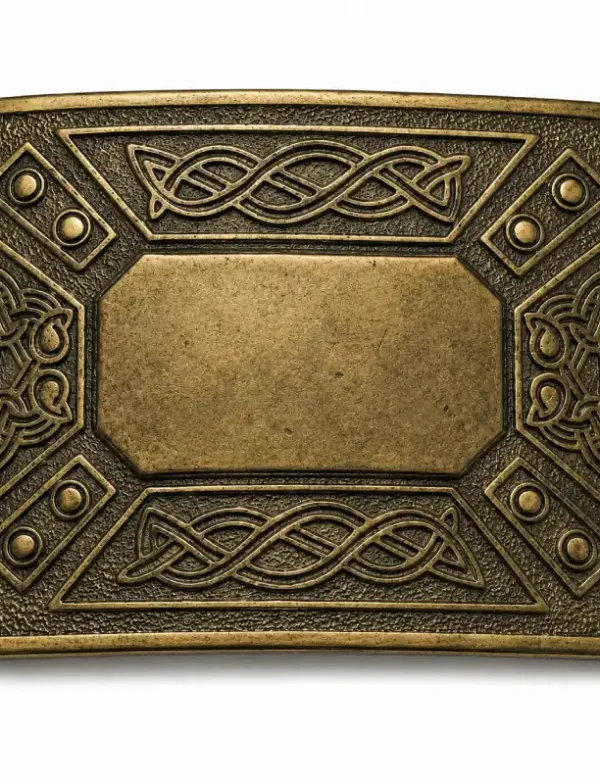
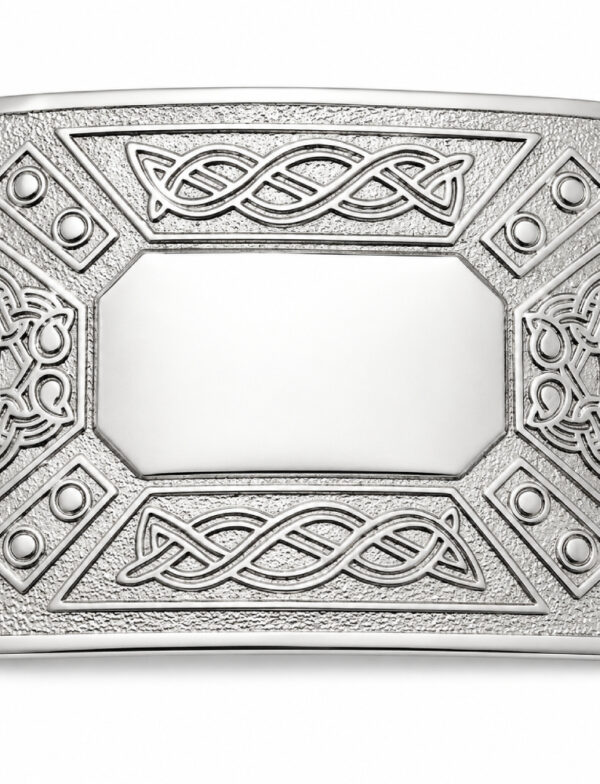
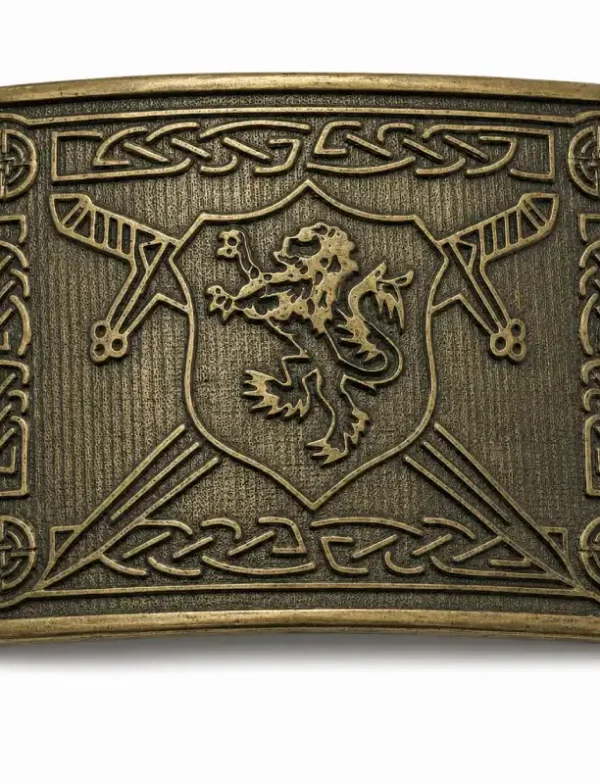
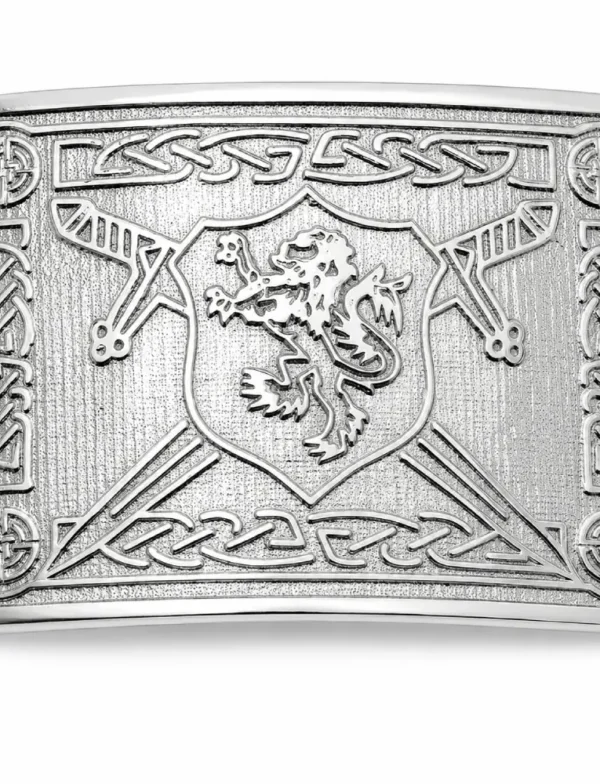
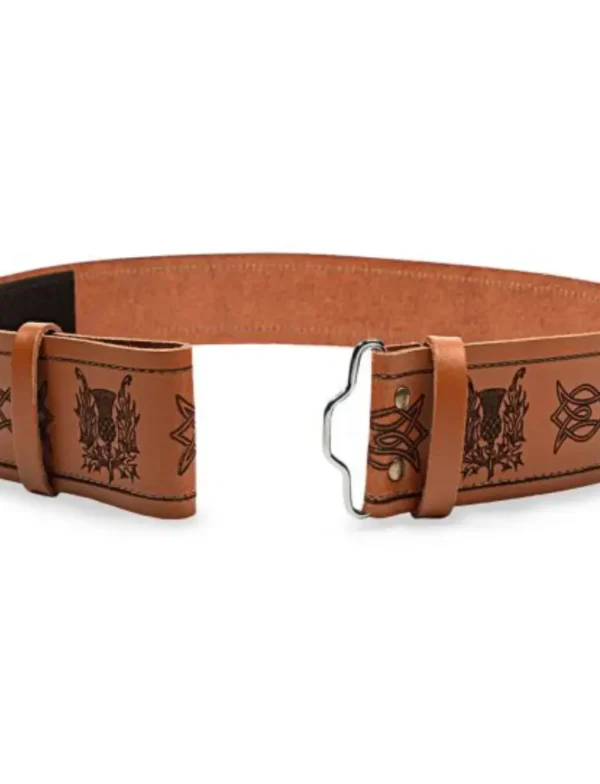
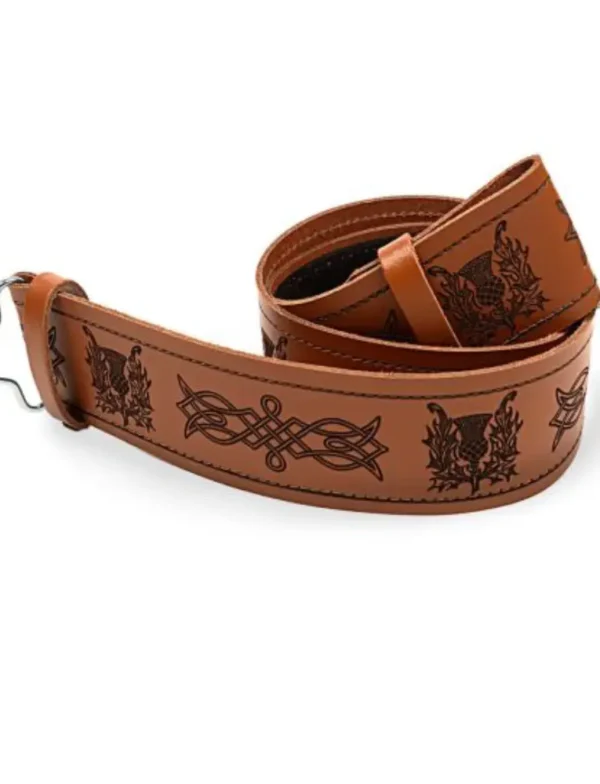
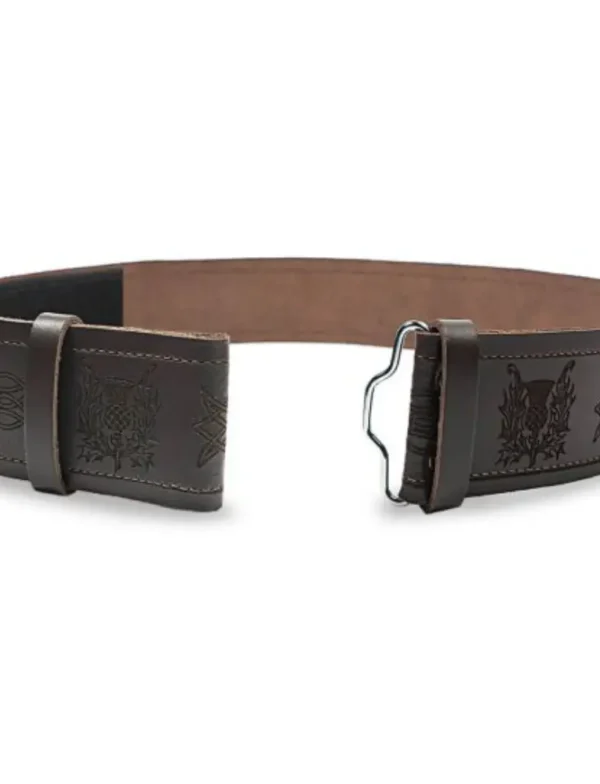
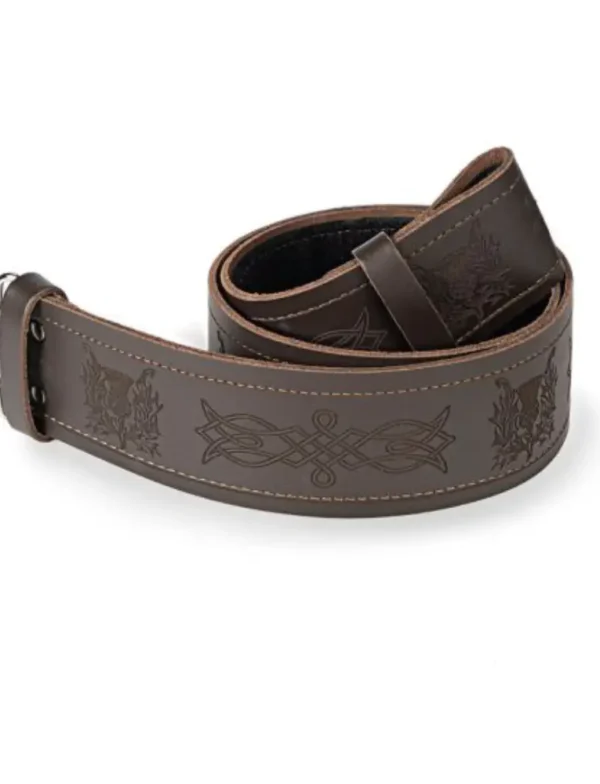
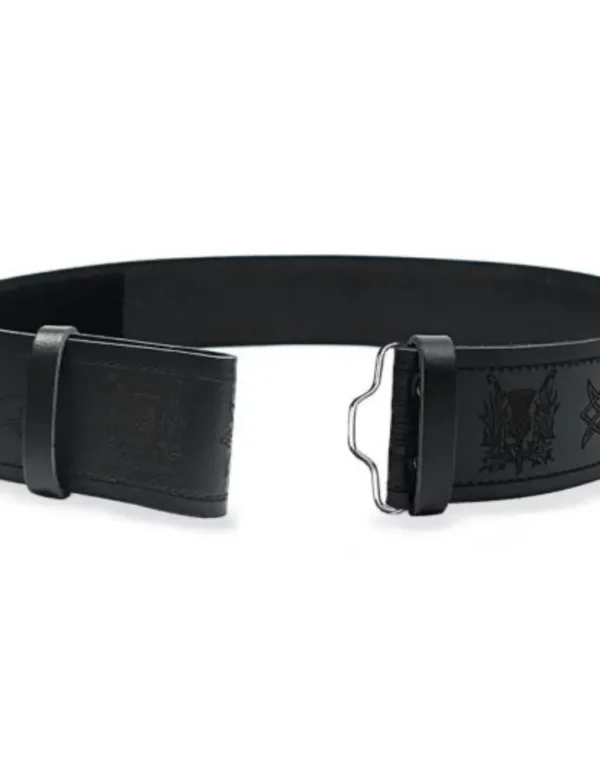
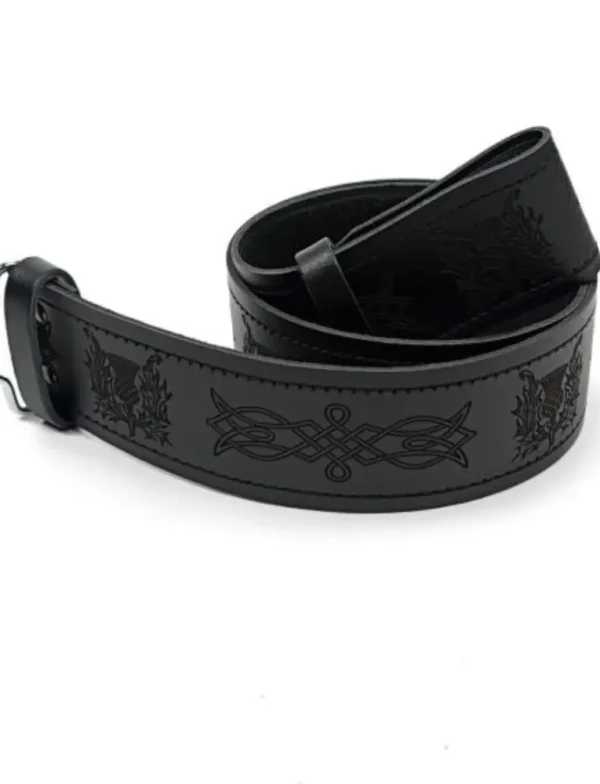
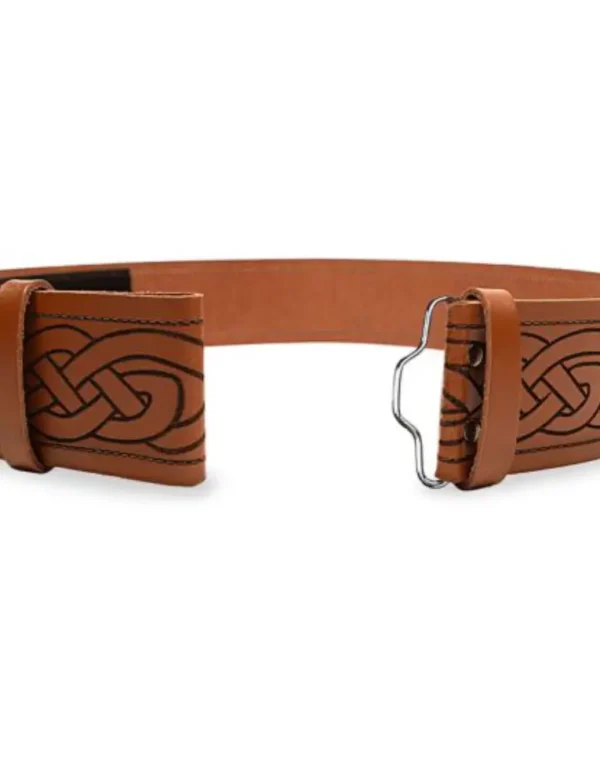
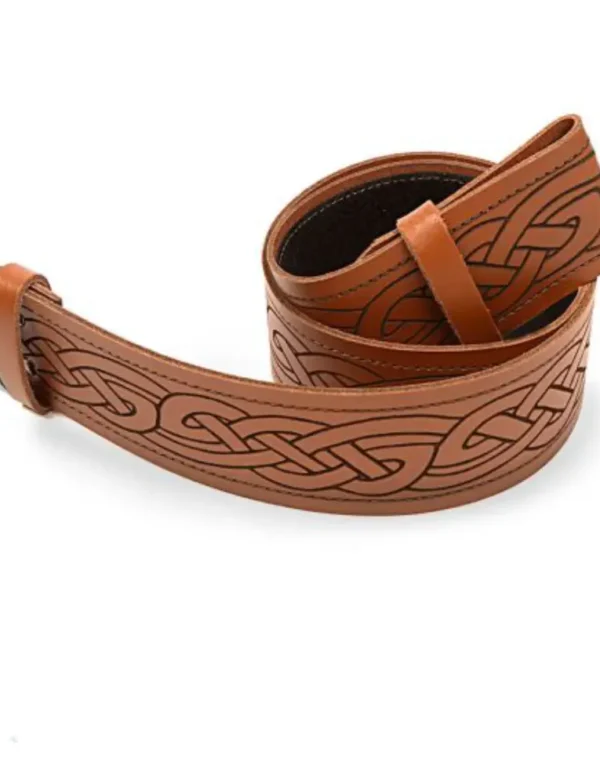
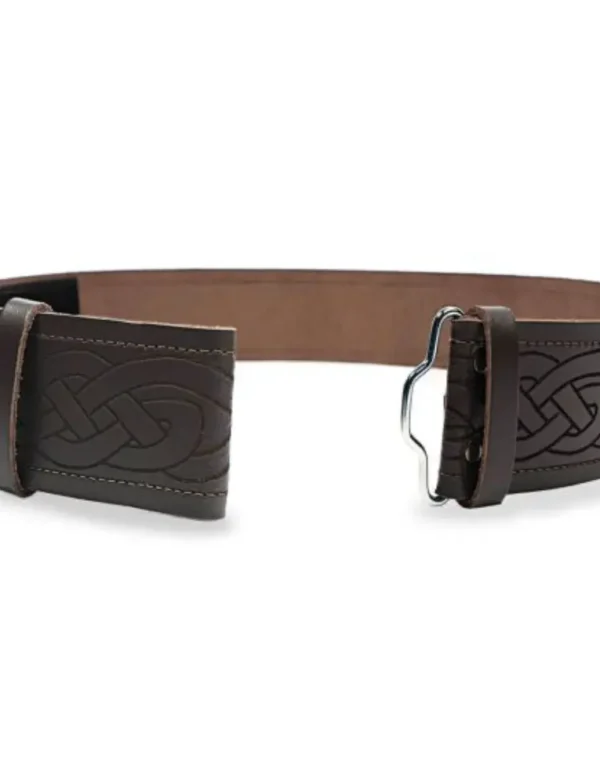
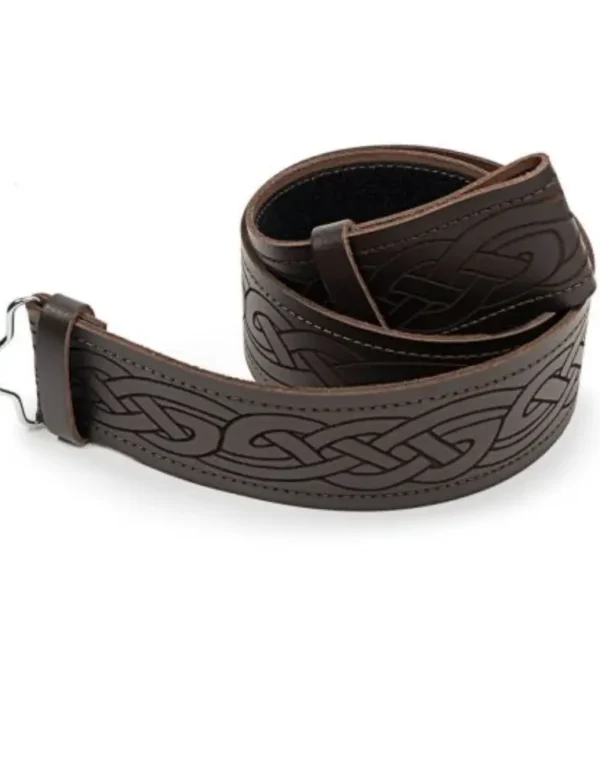
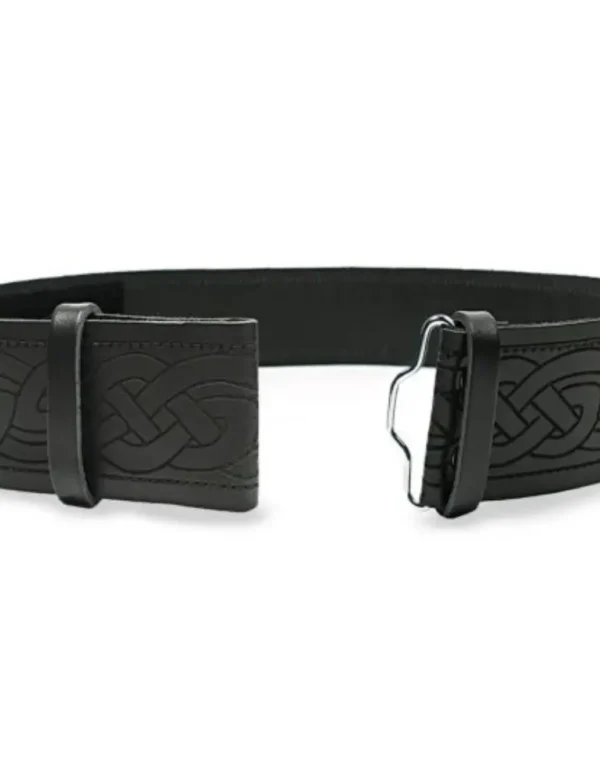
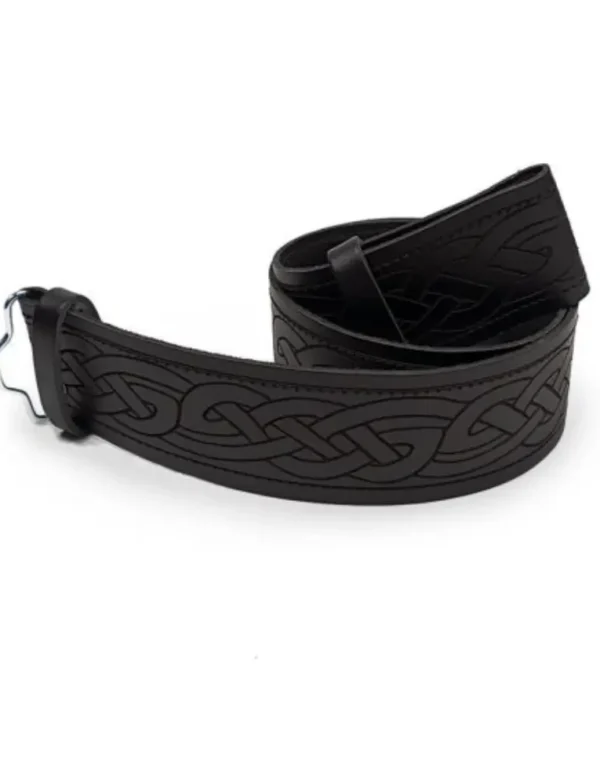
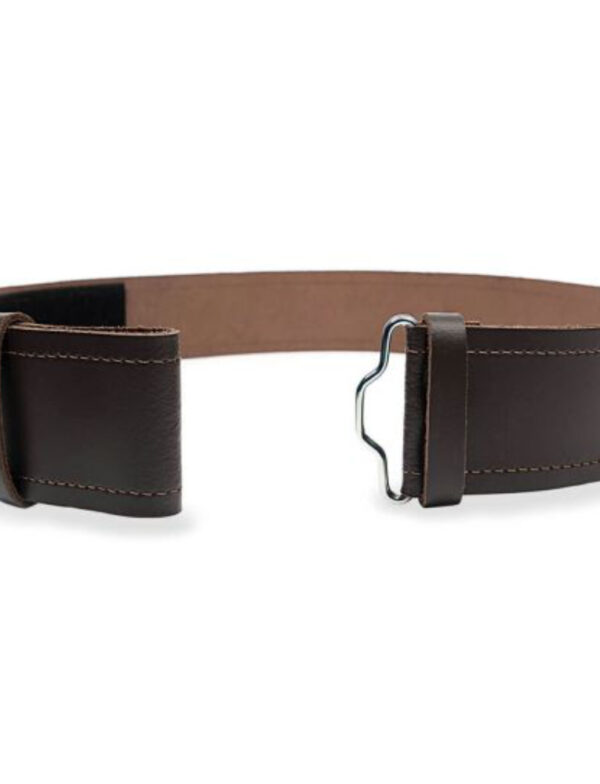
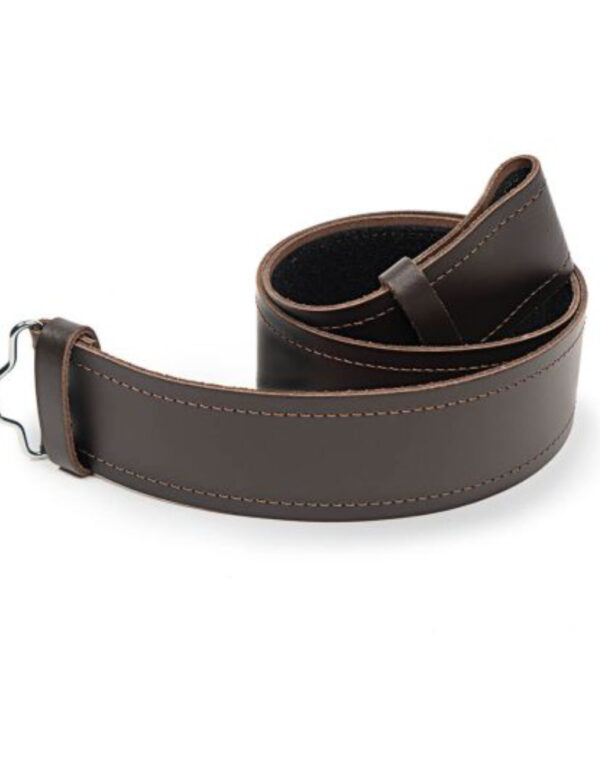
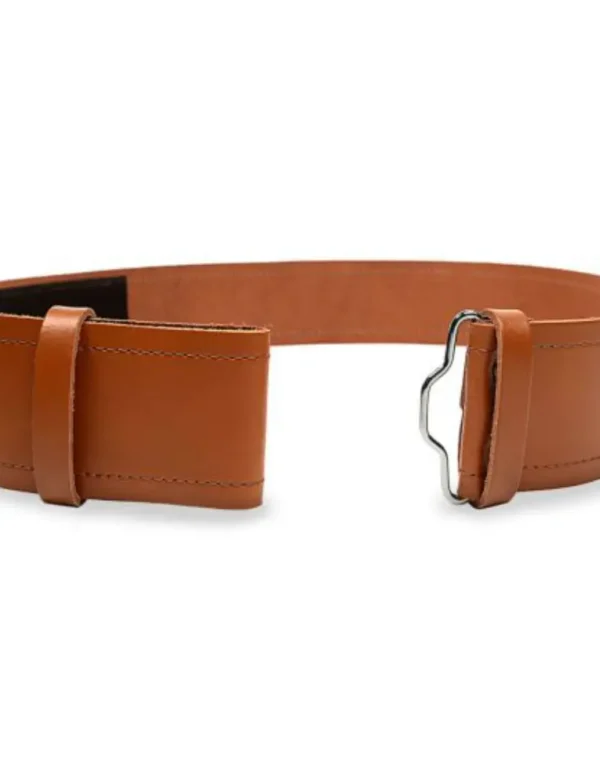
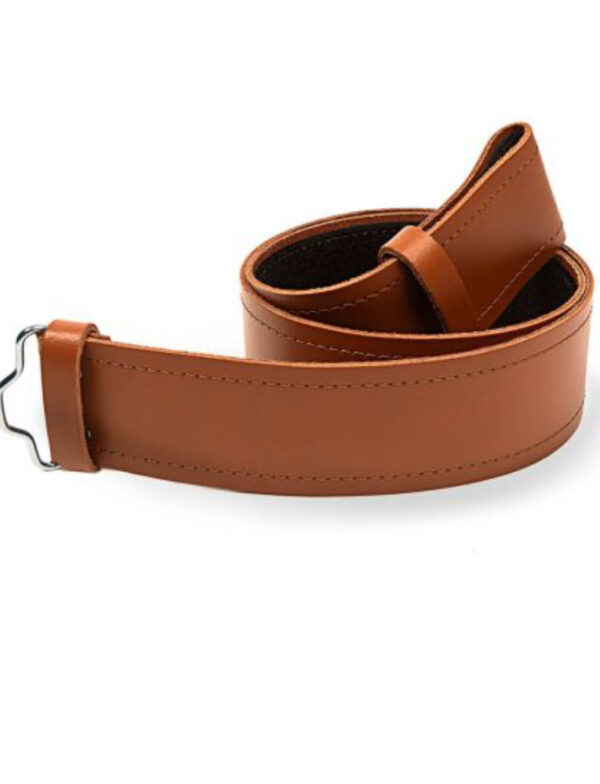
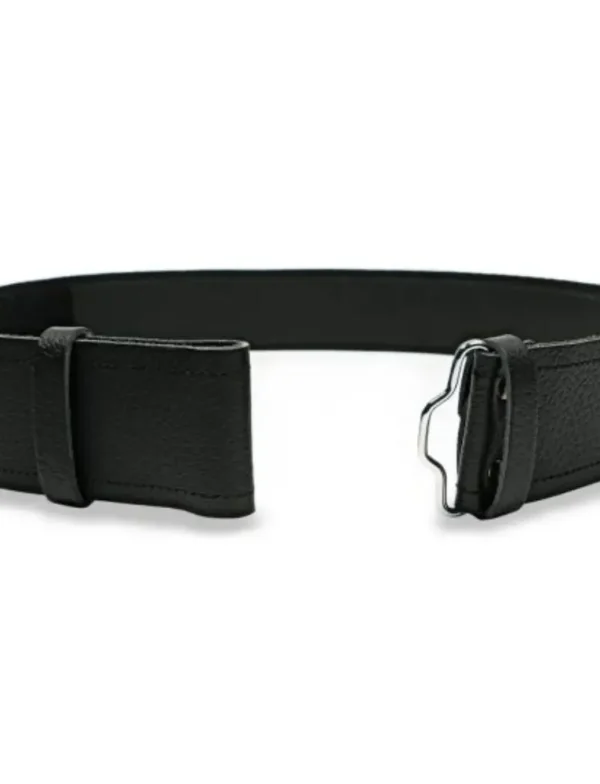
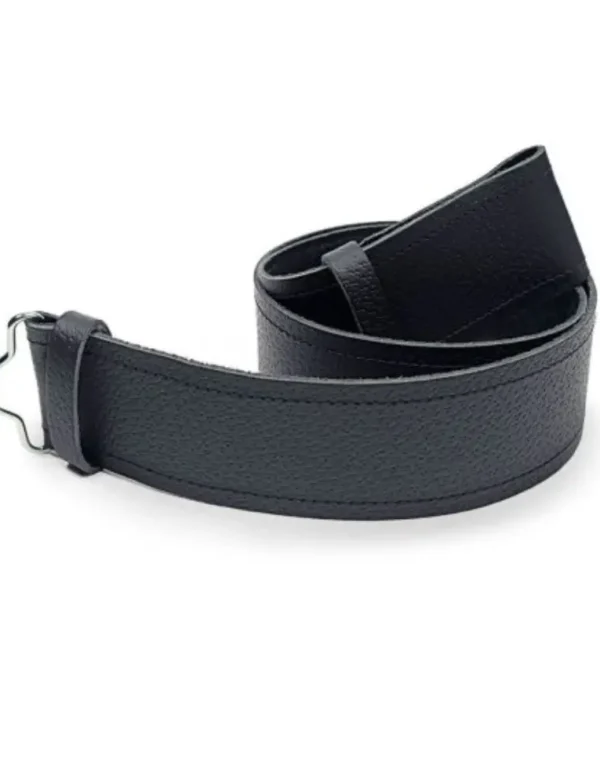
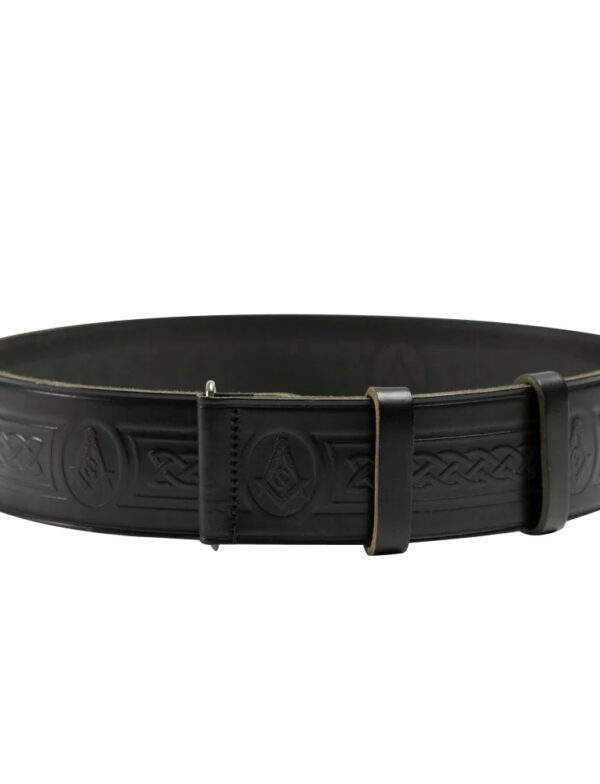
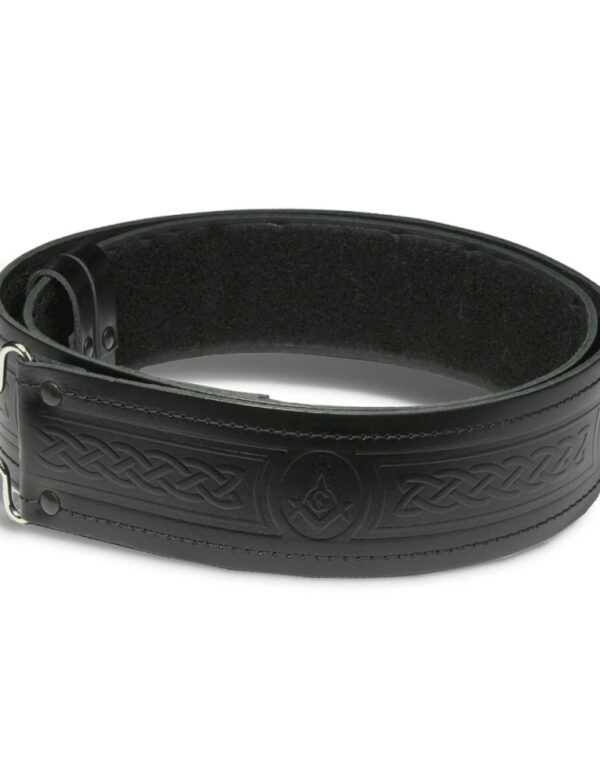
The kilt belt isn't a trouser belt worn wider. It's a specific piece cut from heavy leather (3–4mm thickness) designed to sit above the kilt's own waistband and carry the weight of the sporran chain without stretching. Buckles are solid brass or chrome, in traditional Celtic knotwork, thistle, or plain designs. The buckle sits centred at the front, aligned with the kilt's apron. Our belts are hand-cut from full-grain hide with double-stitched edges and solid metal hardware. See kilt belts and buckles for the range.
Scottish brogues — the foundation
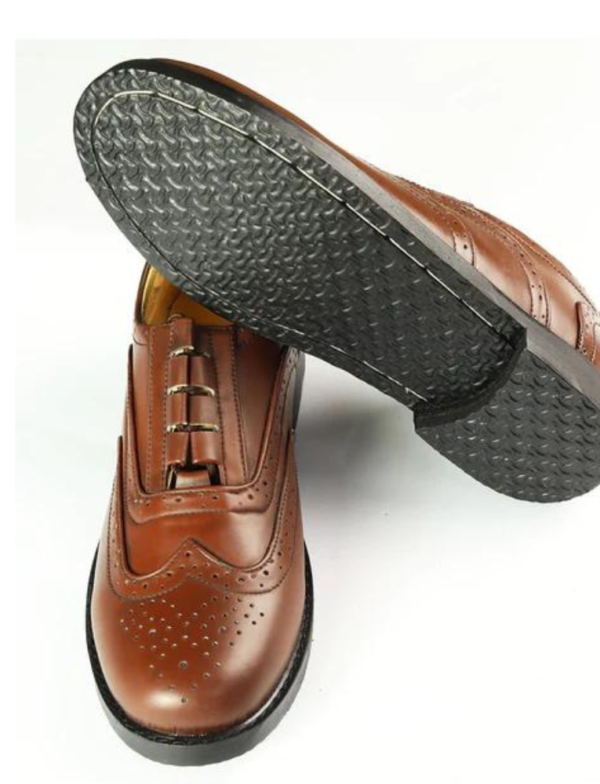
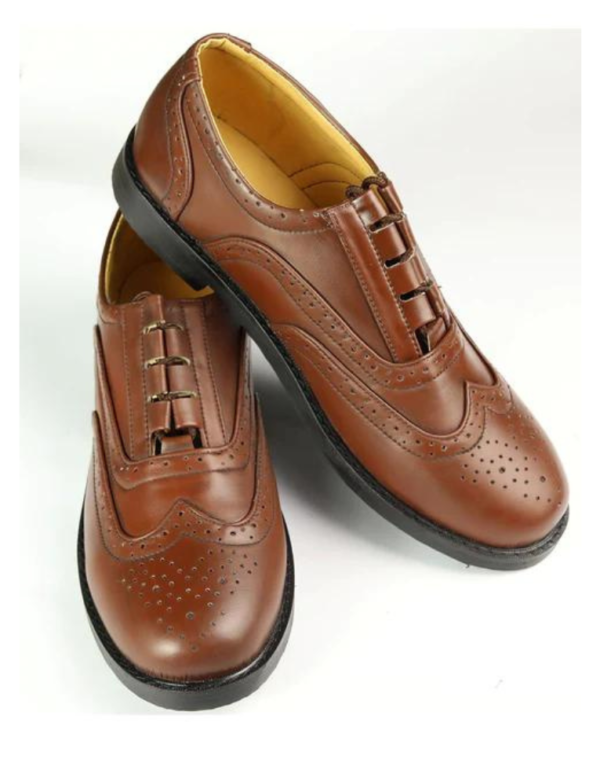
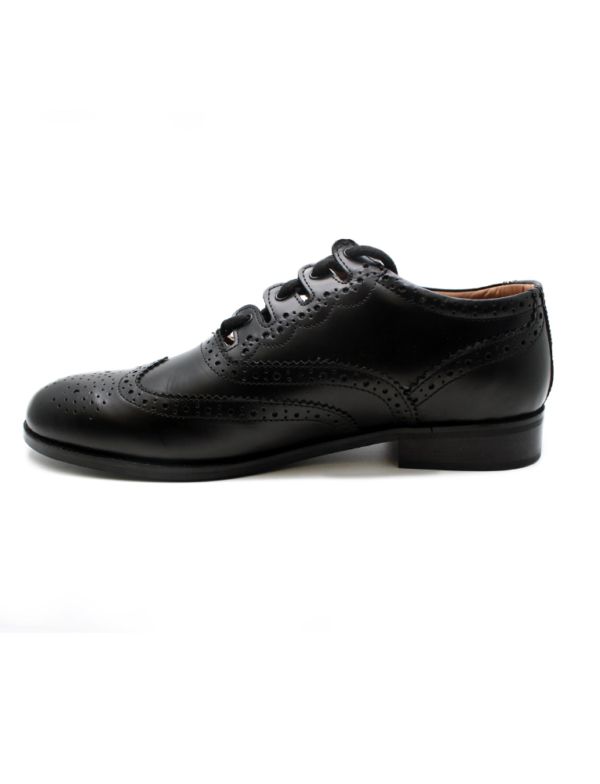
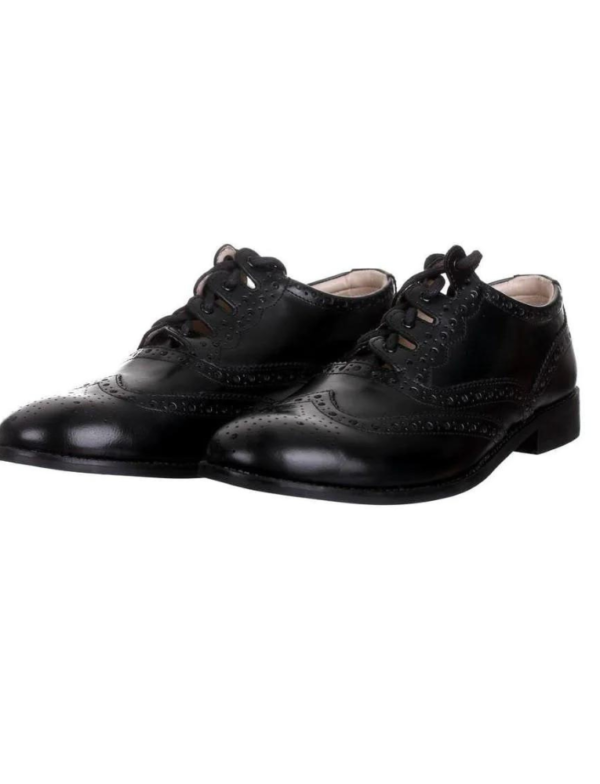
Highland brogues are formal or semi-formal leather shoes worn with a kilt, characterised by their punched brogue-work pattern (the small holes across the toe cap and quarters) and, in full ghillie brogues, laced fastening that ties around the ankle rather than across the foot. Ghillie brogues are the correct formal shoe for weddings and black-tie Highland dress. Standard brogues (without the ghillie lacing) work for daytime and semi-formal wear. Our brogues are Goodyear-welted, which means the sole can be resoled multiple times over the life of the shoe — proper cobbler-grade footwear built to last decades. See our Scottish brogues.
Ghillie shirts — the traditional Highland shirt
The Jacobite Ghillie shirt is the loose-fitting, laced-neckline shirt traditionally worn with a kilt for casual and semi-formal Highland occasions. Cut from heavy cotton or linen, with an open collar closed by a leather cord or antler-toggle lacing rather than buttons, it reads distinctly Scottish in a way a plain shirt doesn't. Worn without a jacket at ceilidhs, Highland games, and rustic weddings. With a waistcoat for semi-formal daytime. Browse Jacobite Ghillie shirts.
Scottish hats and caps — the finishing note
Traditional Scottish hats include the Balmoral bonnet (the flat wool cap with a toorie on top and often a cap badge or feather on the side, worn for military and formal Highland occasions), the Glengarry (the folded wool cap with tails at the back, standard military headwear historically), and the tam o' shanter (the larger flat wool bonnet worn casually). Each has its correct context and pairing. See our full range at Scottish hats and caps.
Fly plaid brooches — the shoulder accessory
The fly plaid is the length of tartan cloth draped over the left shoulder as part of formal Highland dress, and the brooch is what pins it in place — usually a large ornamental piece in silver, pewter, or brass, featuring Celtic knotwork, clan crests, or thistle designs. Worn only with formal outfits (Prince Charlie jackets, black-tie Highland weddings), never with day or semi-formal wear. Browse fly plaid brooches if you're being fitted for a formal event.
Building the complete outfit — how it all fits together
The minimum outfit is kilt, belt, sporran, hose (long socks), and shoes. That's five pieces, and the outfit is complete. For semi-formal wear, add a Ghillie shirt or open-collar shirt and optional waistcoat. For formal Highland dress, the full outfit includes kilt, belt, dress sporran, hose with flashes, ghillie brogues, formal shirt, black bow tie, Prince Charlie or Argyll jacket, waistcoat, sgian dubh, fly plaid, and brooch. Twelve pieces. That sounds excessive until you see it done properly — every piece has a job.
Most buyers build the outfit in phases. Start with the kilt and the essentials — belt, sporran, hose, shoes. Add pieces over time as occasions require them. A Ghillie shirt for a summer ceilidh, brogues for a wedding, a Balmoral bonnet when you find yourself at a formal event. The advantage of building this way is that each piece can be chosen properly rather than settled for.
Not sure what you actually need for a specific occasion? Message us with the event — we've fitted thousands of grooms, groomsmen, and Highland guests, and we'd rather trade three emails now than see you at a wedding with the wrong sporran.
Every accessory we make ships in ten working days, is hand-crafted at our workshop, and is guaranteed to fit or match as ordered. If it doesn't, we remake or replace it. See our returns policy for full terms. Accessories pair with every style of kilt we make — see the wider men's kilts collection to complete the outfit.
6 categoriesSporrans, belts, brogues,
shirts, hats, brooches
shirts, hats, brooches
10 daysCut, stitched,
shipped
shipped
Full-grain hideSolid brass
hardware
hardware
Free remakeIf the fit or
match isn't right
match isn't right
Frequently asked
Questions before ordering
What accessories do I actually need with a kilt?
The minimum is five pieces — kilt, kilt belt, sporran, hose (long socks), and shoes. With those five, you have a complete casual or semi-casual outfit and can wear the kilt to informal events. For semi-formal occasions, add a shirt (Ghillie or open-collar plain) and an optional waistcoat. For formal Highland dress — weddings under Scottish dress code, Burns Night, black-tie Highland events — the full outfit adds a Prince Charlie or Argyll jacket, formal shirt with bow tie, ghillie brogues, sgian dubh, fly plaid and brooch, and a hat if the occasion calls for it. Most kilt buyers build the accessories in phases as occasions require them, rather than buying everything at once.
How do I match accessories to the formality of the occasion?
Three tiers matter. Casual — plain leather day sporran, plain kilt belt, standard shoes or clean boots, open-collar shirt or Ghillie shirt. Semi-formal — semi-dress sporran with light tassels, formal kilt belt, Highland brogues (without ghillie lacing), plain white shirt with optional waistcoat, tie optional. Formal Highland dress — dress sporran with fur front and chrome cantle, formal belt with ornate buckle, ghillie brogues with ankle laces, formal shirt with bow tie, Prince Charlie or Argyll jacket, waistcoat, sgian dubh in the hose, fly plaid with silver brooch, and Balmoral or Glengarry hat if the venue is outdoor or military-themed. Match the accessory tier to the invitation's dress code — if the invitation says "black tie" or "Highland formal," go full formal; if it says "smart casual" or the wedding is a country ceremony, semi-formal is correct.
Do the accessories need to match my clan or tartan?
Only the fly plaid needs to match your kilt's tartan — it's a length of the same cloth. Hose (socks) can be plain wool in a colour that picks up one of the tartan's tones, though matching tartan hose exists for full traditional dress. Everything else — sporran, belt, brogues, shirt, jacket, brooch — has no tartan-matching requirement and is chosen based on formality, colour palette, and personal preference. Black leather works with almost every tartan; brown leather pairs better with earth-tone and hunting tartans. Silver hardware is universal; brass suits warmer palettes. If you're being fitted for a wedding, the groom's outfit sets the tone and groomsmen usually match at the accessory level (same sporran style, same brogue colour) even when wearing different tartans.
Can I wear a kilt without a sporran?
You can, and many men do for casual daily wear — but it's genuinely worth having one. The sporran serves the practical function of a pocket (kilts don't have pockets in traditional construction, and modern utility kilts with cargo pockets are the exception). It also completes the visual balance of the outfit — without a sporran, the kilt's front apron reads as unfinished. For semi-formal and formal occasions, the sporran is not optional; a groom or wedding guest showing up in a kilt with no sporran will be visibly under-dressed. For a first-time kilt buyer, a plain leather day sporran (from $89) covers casual and semi-formal use and is the essential purchase.
What's the difference between ghillie brogues and regular brogues?
Both are Highland leather shoes with the characteristic brogue-work punching (the small decorative holes across the toe and quarters). The difference is the fastening. Regular brogues have standard shoelaces tied across the top of the foot, like an Oxford or Derby shoe. Ghillie brogues have no tongue and long leather laces that wrap around the ankle and tie above it — the traditional Highland fastening for formal wear. Ghillie brogues are the correct choice for formal Highland dress, weddings, and black-tie events. Regular brogues work for semi-formal daytime and daily wear. Both are hand-stitched, Goodyear-welted, and resoleable at a good cobbler.
How much should I budget for the full outfit?
For a complete formal Highland outfit built properly, budget $700–1,200 total across kilt and accessories. Roughly a third goes to the kilt itself ($129–299 depending on yardage and tartan), a third to the jacket if you're buying one ($199–349 for a Prince Charlie or Argyll), and a third distributed across sporran ($89–189), belt ($59–89), brogues ($149–229), shirt ($49–89), hose ($29–49), and small pieces (sgian dubh, brooch, hat). Buying everything at once from a single maker is more efficient than piecing it together — accessories chosen together tend to match in leather colour, hardware finish, and quality tier. For casual daily wear without a jacket, the minimum viable outfit (kilt, belt, sporran, hose, shoes) starts around $350.
Do I need different accessories for a wedding vs. daily wear?
Yes, and this is the mistake most kilt buyers make. Casual daily wear takes plain accessories — day sporran, standard belt, everyday shoes, open-collar shirt. A wedding — particularly a formal Highland wedding — takes the full formal tier: dress sporran with fur front, ornate buckle belt, ghillie brogues with ankle laces, formal shirt with bow tie, jacket with waistcoat, and fly plaid with brooch if the dress code specifies traditional Highland formal. Wearing daily-wear accessories to a formal wedding reads casual-underdressed in a way photographs make painfully clear. If you own only one set of accessories and you'll wear the kilt both casually and formally, buy at the semi-formal tier — it works for both without looking wrong at either. Then upgrade to formal-specific pieces (dress sporran, ghillie brogues, brooch) when a black-tie occasion actually requires them.