BLACK FRIDAY IS HERE! ✦ 20% OFF EVERYTHING · Shop the Sale →
About our pipe band instruments
Pipe band instruments for players at every level, supplied since 2017
Kilt and Jacks has been supplying pipe band instruments — bagpipes, drums, and pipe band brass — to pipe bands, solo pipers, drummers, and buyers of Scottish musical tradition since 2017. Every instrument in the range is sourced from established Scottish and pipe band tradition makers, quality-checked at our workshop before shipping, and backed by our replacement guarantee. We supply pipe bands worldwide — from RSPBA-registered competition bands in Scotland to Highland heritage bands in the United States, Canada, Australia, New Zealand, and increasingly across continental Europe and Asia where Scottish and pipe band tradition continues to grow.
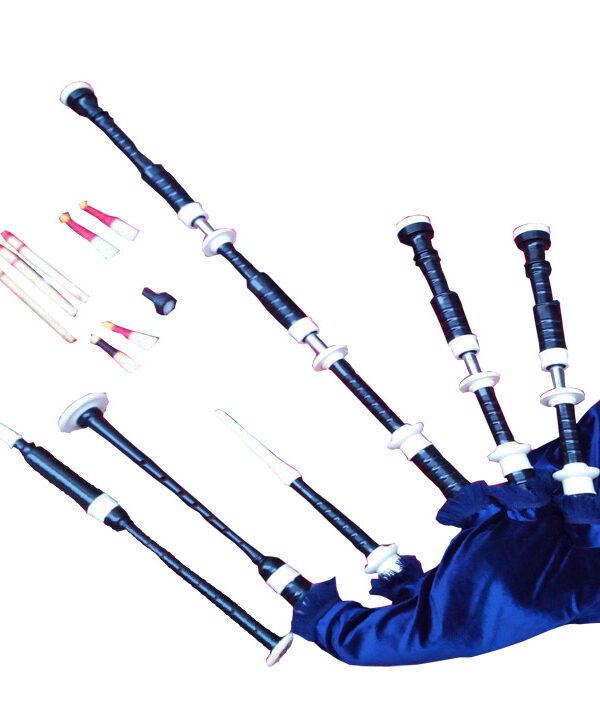
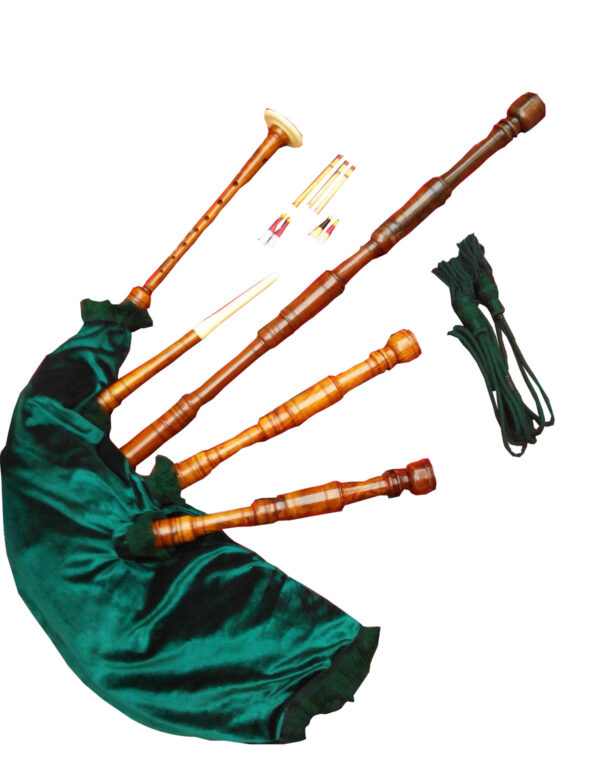
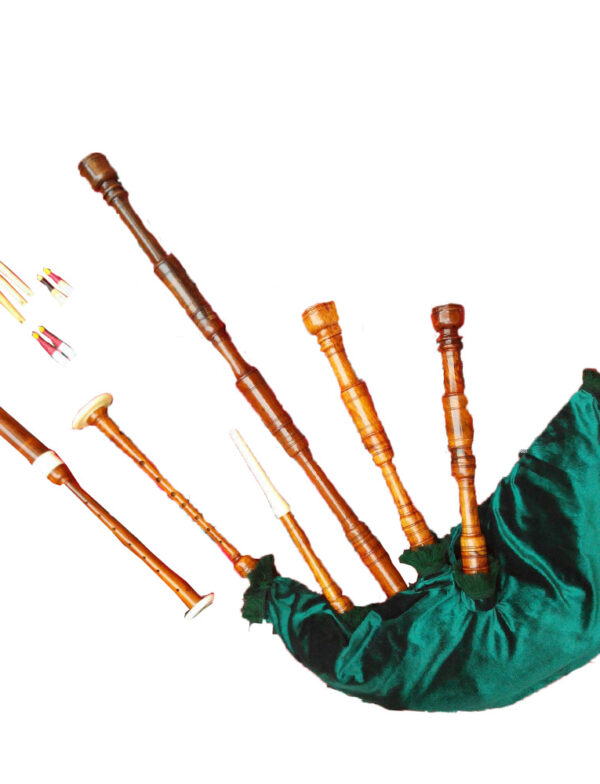
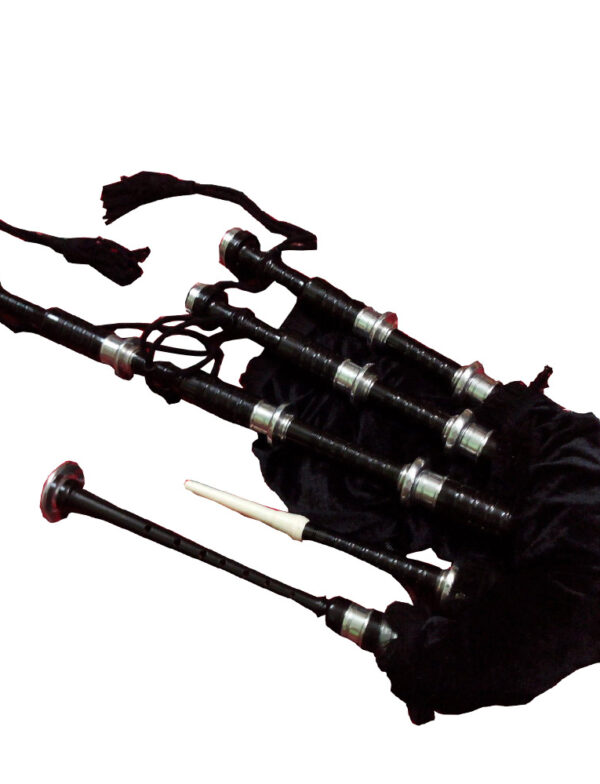
The range is built around three instrument families that make up the pipe band: bagpipes — the Great Highland Bagpipes at the front of the band, practice chanters for learners and quiet practice, and Border and small pipes for indoor and traditional Scottish music contexts; pipe band drums — snare drums, tenor drums, and bass drums that make up the pipe band drum corps; and ceremonial brass — bugles and ceremonial trumpets used in pipe band and Scottish military tradition. Each family serves a specific role in the pipe band ensemble and a specific stage in a piper or drummer's development.
What defines a pipe band instrument
Pipe band instruments sit apart from the general music retail category in one meaningful way — they belong to a specific living tradition with codified standards, recognisable makers, and specialist expectations that general music retailers don't understand. A Great Highland Bagpipe from a proper maker isn't just an instrument; it's part of a lineage that traces through named Scottish pipe makers over generations — R.G. Hardie, McCallum, David Naill, Henderson, Kyle, and others whose work is recognised at every level of pipe band competition. A pipe band snare drum isn't a general snare drum; it's tuned to specific pipe band pitch, built with high tension for the crisp attack that pipe band performance requires, and cut in the specific dimensions the tradition expects.
What this means for the buyer: purchasing pipe band instruments from a specialist matters more than for most instrument categories. The wrong practice chanter teaches bad technique that has to be unlearned later. The wrong drum sticks damage the drumhead and produce the wrong sound at competition. The wrong reeds ruin the tone of a serious set of pipes. We supply instruments that meet the standards pipe bands, pipe majors, and piping instructors actually recognise — not instruments that look right in a photograph but fail under a pipe major's ear.
The instrument families we supply
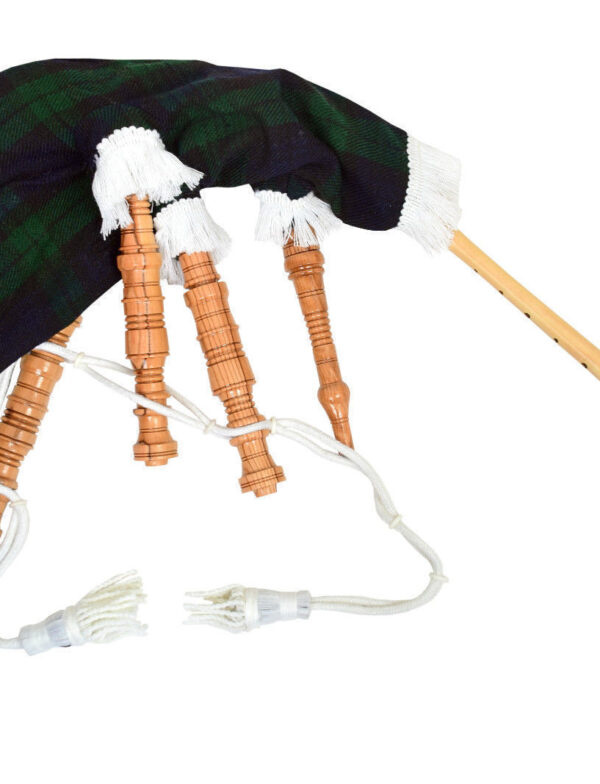
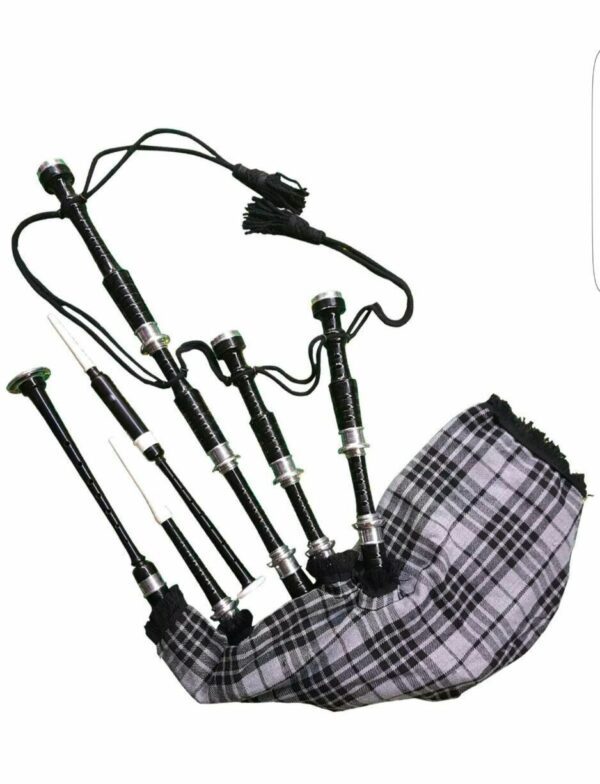
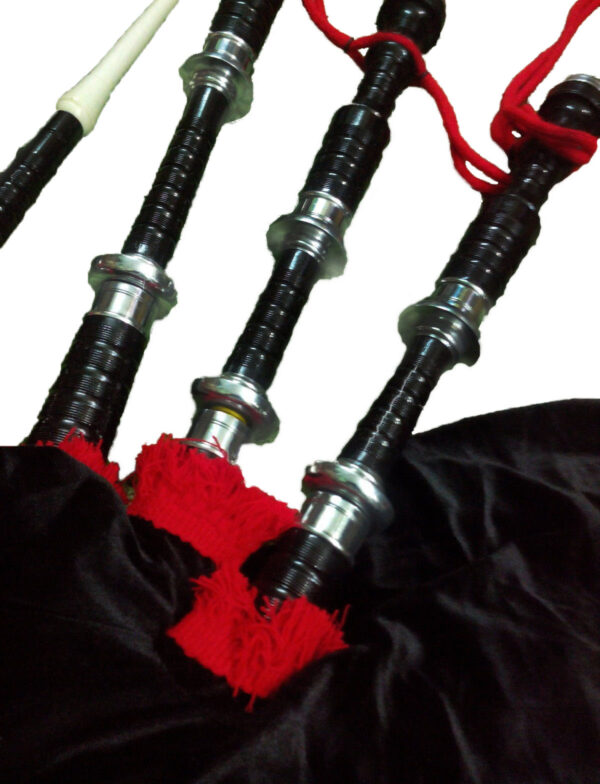
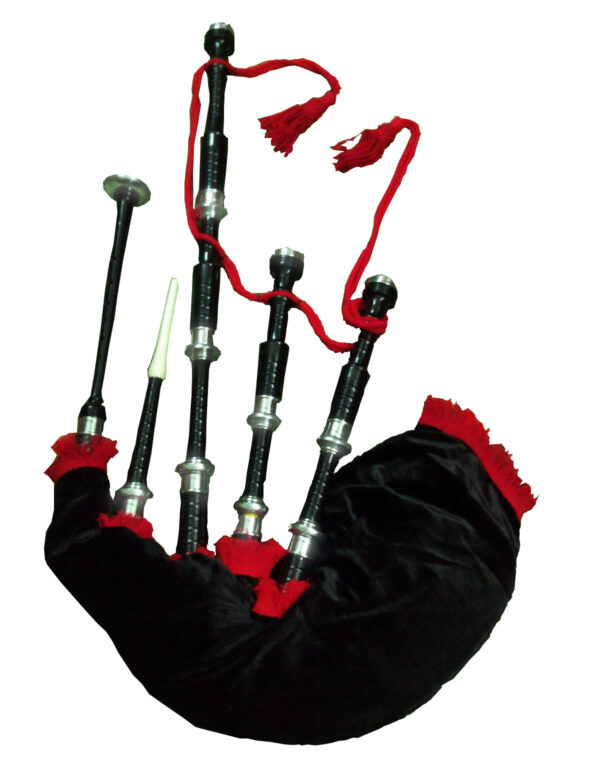
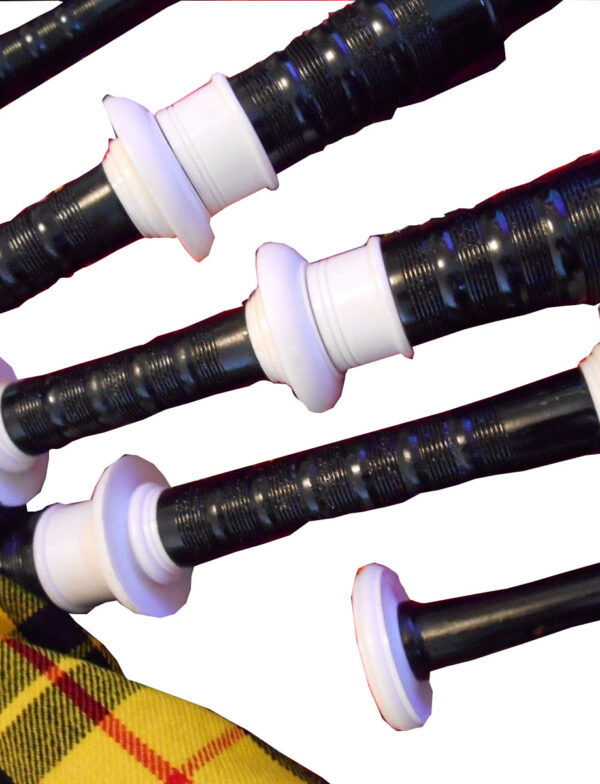
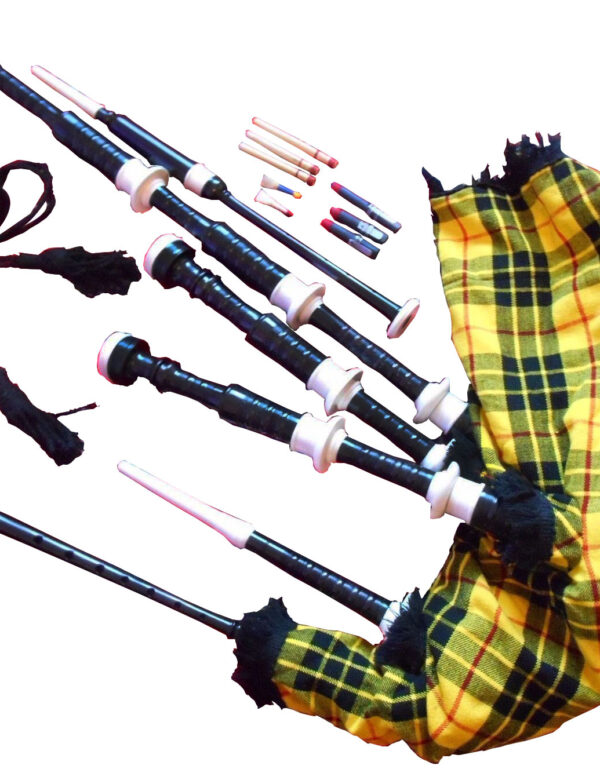
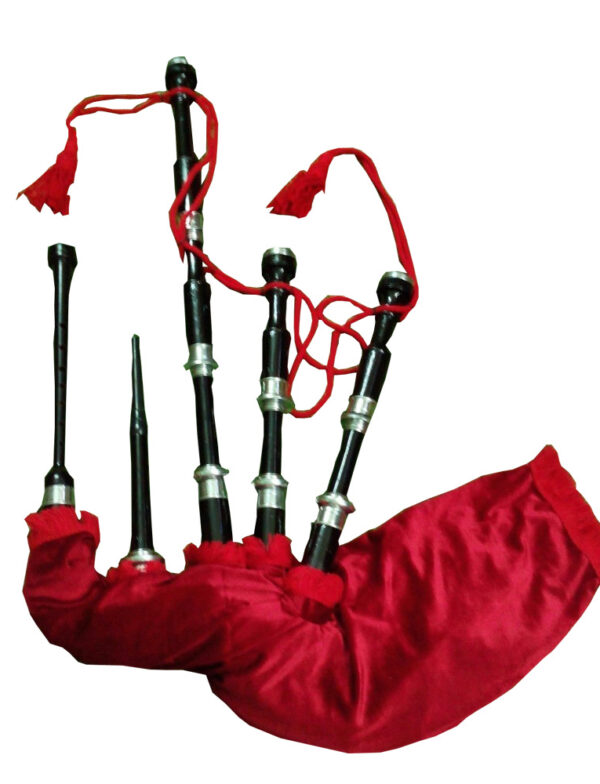
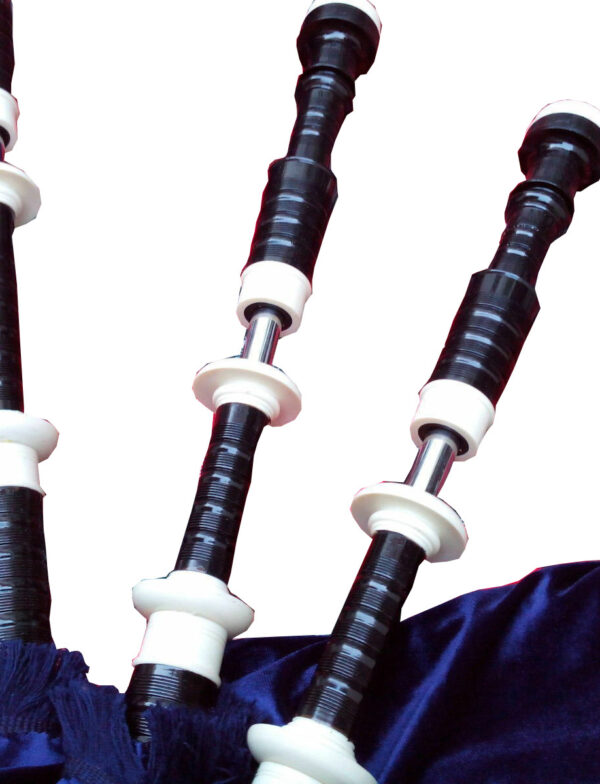
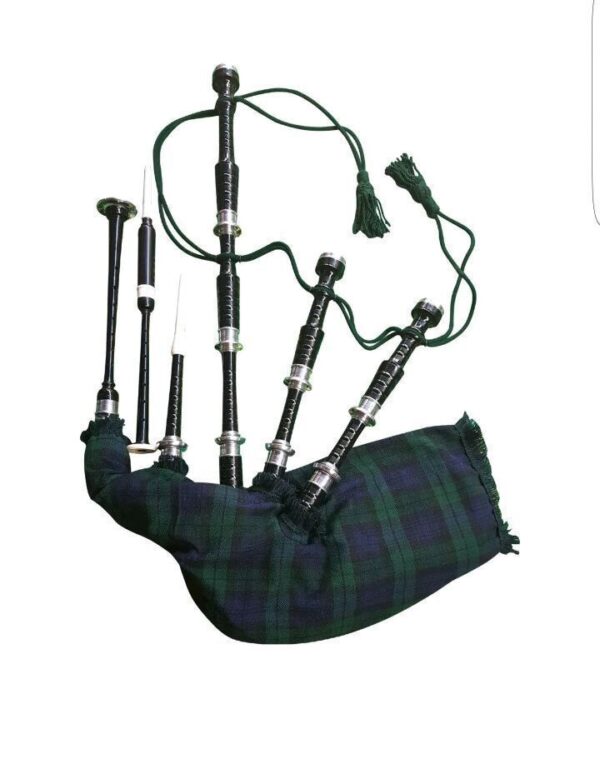
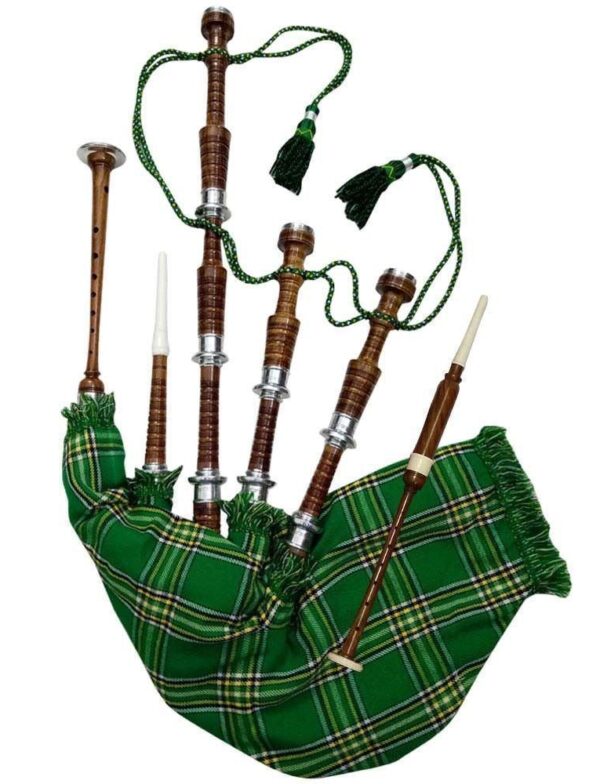
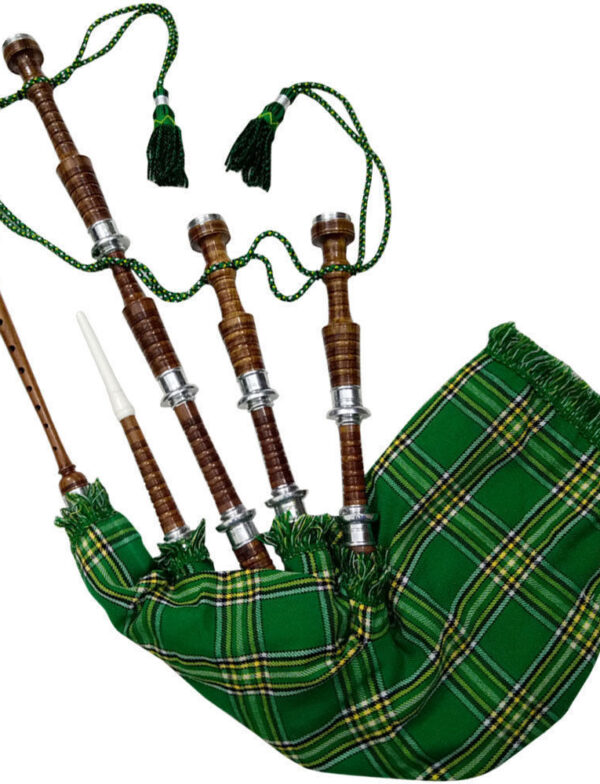
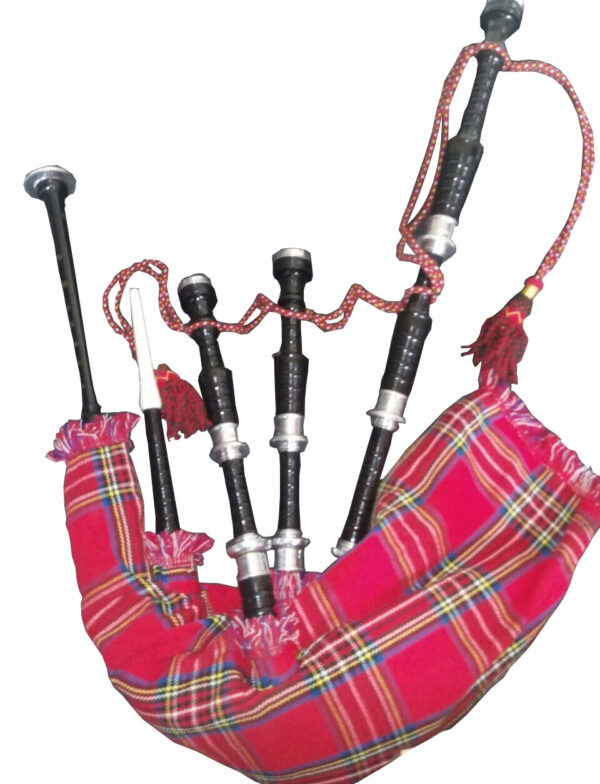
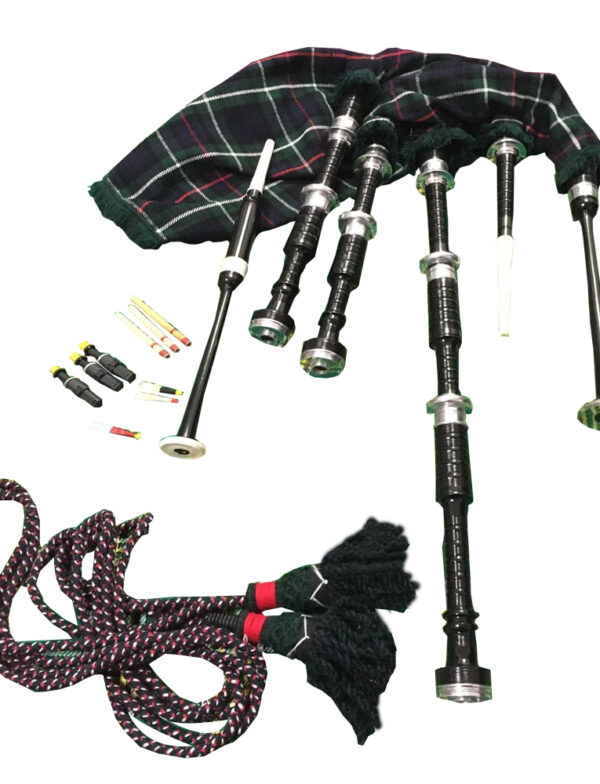
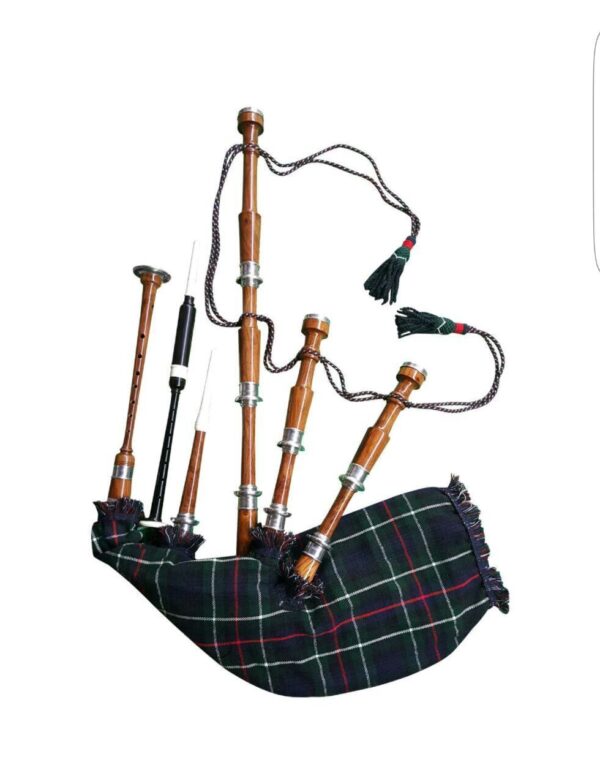
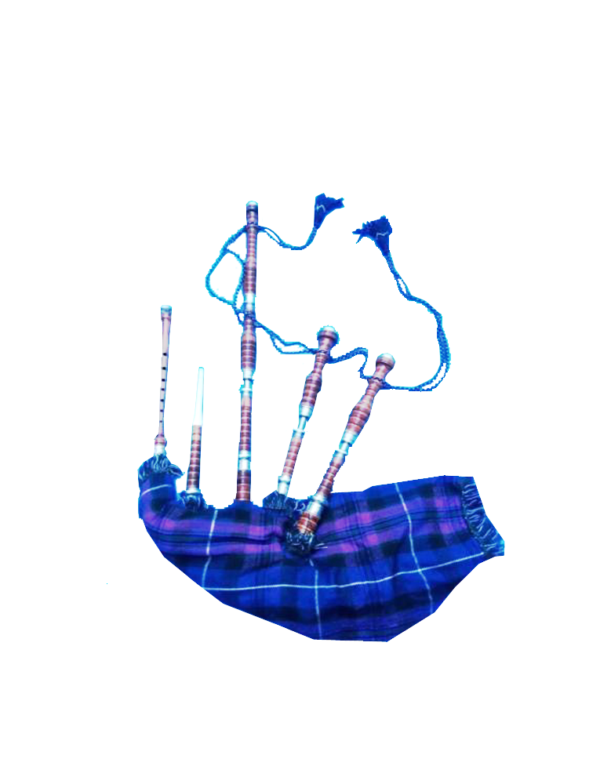
Bagpipes. The Great Highland Bagpipes — the traditional Scottish pipes played at the front of every competition pipe band — are the flagship instrument of the range. Alongside them, practice chanters (the essential first instrument for every learning piper, and the quiet-practice instrument for advanced players), Border pipes and small pipes (the quieter indoor Scottish pipes), and the full range of bagpipe reeds and accessories that pipers replace throughout their playing life. From starter practice chanters through to competition-grade Great Highland Bagpipes suitable for grade one performance. See the bagpipes range.
Pipe Band Drums. The pipe band drum corps — snare drums with the high-tension pipe band construction, tenor drums with the flourishing sticks used in pipe band performance, and bass drums that anchor the band's rhythm — supplied to pipe band drummers, pipe majors specifying drum corps equipment, and drum sections rebuilding their kit for competition. Alongside the drums themselves, the full range of drumsticks, mallets, drumheads, drum stands, and drum accessories that a pipe band drum corps needs across a competition season. Coming soon: full pipe band drum range in development, with snare, tenor, and bass drums from established pipe band drum makers.
Pipe Band Brass. Ceremonial bugles and trumpets used in pipe band and Scottish military ceremonial tradition — the Last Post and Reveille bugles, ceremonial trumpets for regimental events, and the ceremonial brass instruments used at Scottish weddings, Highland gatherings, and military commemorations. Coming soon: pipe band brass range in development.
Not sure which instrument suits your level or your band's needs? Message us with your context — solo piper or pipe band, learner or competition player, current instrument if you have one, competition grade if you're in a competing band — and we'll match you to the right instrument before you commit.
Practice chanters and the beginner piper
Every piper starts on a practice chanter. It's the essential first instrument — quieter than the Great Highland Bagpipes (which are genuinely loud, difficult to play in a domestic setting, and require significant lung capacity that new pipers develop over months of practice chanter work), lets the learner focus on fingering technique without also managing the bag and the drones, and remains the instrument every advanced piper uses for quiet practice throughout their playing life. If you're buying for a first-year piper — a child starting pipe band lessons, an adult beginner joining a local band, or a returning piper picking the instrument back up after years away — the practice chanter is the correct first purchase.
Great Highland Bagpipes come next, typically after 6 to 12 months of practice chanter work, once the piper has developed the fingering technique and can read pipe band notation confidently. Practice chanters remain in use even after the pipes arrive — every serious piper practices technique on the chanter before going to the full pipes, and pipe band rehearsals often start on chanters before the drum corps and pipes come in.
Choosing your instrument
Choose by role first, level second, budget third. If you're a learning piper — first six months of piping — you need a practice chanter. Nothing more, nothing else. Great Highland Bagpipes at this stage will slow your progress and frustrate you. If you're a learning piper past the first six months and have a piping instructor confirming you're ready, add the Great Highland Bagpipes to your practice chanter. If you're a competition piper — grade four through grade one, or solo competition — the instrument specification matters significantly and you likely already know what you need. Message us with your grade and current instrument for specific recommendations.
If you're a pipe band drummer — solo drummer or drum corps member — instrument selection follows the pipe major's specification and the drum sergeant's guidance. Snare drums, tenor drums, and bass drums each require specific selections. Contact us with your band's specification.
If you're buying for someone else — a parent buying for a child starting pipe band lessons, a partner buying for a piper's birthday, a pipe band buying for a new member — the practice chanter is almost always the right answer for anyone who isn't already an established piper. If you know the recipient is past the practice chanter stage, contact us before ordering so we can confirm what they actually need rather than guessing.
Every pipe band instrument ships in ten working days, is quality-checked before dispatch, and comes with our replacement guarantee for manufacturing defects. See our returns policy for full terms. Pipe band instruments pair naturally with our Highland formal jackets, tartan kilts, and sporrans — pipe bands wearing full Highland dress can equip both instruments and uniforms from a single specialist supplier.
3 familiesBagpipes, drums,
ceremonial brass
ceremonial brass
10 daysQuality-checked,
shipped
shipped
Proper makersScottish tradition
and pipe band standards
and pipe band standards
Replacement guaranteeOn manufacturing
defects
defects
Frequently asked
Questions before ordering
What instruments make up a pipe band?
A traditional Scottish pipe band consists of two instrument sections: the pipe corps — the pipers playing Great Highland Bagpipes at the front of the band — and the drum corps — snare drummers, tenor drummers, and a bass drummer providing the rhythm and dynamic accompaniment. A competing pipe band typically has 8 to 20 pipers, 4 to 8 snare drummers, 2 to 4 tenor drummers, and 1 bass drummer, though numbers vary by band size and grade. The pipe major leads the pipe corps and the band as a whole; the drum sergeant leads the drum corps. Some pipe bands and Scottish military ceremonial contexts also include ceremonial brass — bugles for the Last Post and Reveille, ceremonial trumpets for regimental events — though these are not part of the standard competition pipe band ensemble.
What's the difference between a practice chanter and Great Highland Bagpipes?
A practice chanter is a single reed-blown instrument played by mouth — essentially the melody pipe of the Great Highland Bagpipes on its own, without the bag and drones. It's quieter, easier to learn on, and lets a new piper focus purely on fingering technique. Every piper starts on a practice chanter, typically for 6 to 12 months, before moving to the full pipes. The Great Highland Bagpipes are the full instrument — a bag inflated by the piper (blown into via a blowpipe), three drones (two tenor drones and one bass drone) that sustain the harmonic accompaniment, and the chanter itself producing the melody. They're the traditional Scottish pipes played at competitions, Highland games, Scottish weddings, and pipe band performances. Learning to play the pipes requires learning to manage the bag pressure, the drones, and the chanter fingering simultaneously — which is why every piper masters fingering on the practice chanter first.
How long does it take to learn the bagpipes?
Most pipers spend 6 to 12 months on the practice chanter before moving to the Great Highland Bagpipes, and another 12 to 24 months developing the physical stamina and technique to play full tunes on the pipes competently. Reaching competition-ready standard — grade four in the RSPBA competition system — typically takes 3 to 5 years of consistent practice with proper instruction. Advancing through the grades to grade one takes many more years of dedicated work. The timeline varies significantly by age (children generally progress faster than adult beginners), practice consistency, quality of instruction, and natural aptitude. What's consistent across every timeline is that proper instruction from a qualified piping teacher matters more than any other factor — self-teaching from books or videos alone produces slow progress and hard-to-correct technique errors. Find a local pipe band, piping instructor, or College of Piping-affiliated teacher before ordering an instrument.
Where should a first-time buyer start?
A practice chanter. Full stop. If you're buying for yourself as a new piper, or as a gift for someone starting pipe band lessons, the practice chanter is the correct first purchase — cheaper than the full pipes, quieter, and the instrument every piper actually uses to develop fingering technique. Do not buy Great Highland Bagpipes as a first instrument, even for someone who insists they're ready. Every qualified piping instructor will start them on the practice chanter regardless, and a set of full pipes bought too early will sit unused while the piper works through their first six months. If the piper is genuinely past the practice chanter stage (working with an instructor for over six months, playing recognisable tunes on the chanter, and their teacher is recommending pipes), then Great Highland Bagpipes are the next purchase. Message us with the piper's context before ordering pipes so we can match the instrument to their level.
Do you sell to pipe bands and drum corps at bulk pricing?
Yes. Pipe bands ordering instruments in quantity — new drum corps kits, replacement pipes across the pipe section, coordinated pipe major and drum sergeant equipment — qualify for pipe band pricing significantly below our standard rates. Contact us with your band's registered name (RSPBA, EUSPBA, or your national pipe band association), band grade, and the instrument specification you need, and we'll quote pipe band pricing and delivery timeline. We supply competing pipe bands worldwide and are happy to coordinate with pipe majors, drum sergeants, and band secretaries on specifications. Message us for pipe band and drum corps quotes.
What accessories does a piper need to maintain their pipes?
Bagpipe maintenance is genuinely more involved than most instruments. Every piper needs: reeds — chanter reeds and drone reeds, replaced as they wear or when conditions change (climate, humidity, playing hours). Cane care supplies — reed knife, sandpaper, reed mandrel for reed adjustment. Bag maintenance — seasoning for hide bags (if you're playing hide rather than synthetic), moisture control system, and periodic re-tying. Chanter and drone care — hemp, wax, and drone cord for the joints. Cleaning supplies — bore brushes and swabs to keep the wood clean and free of moisture buildup. Case and stand — hard case for transport, drone stand for the tuning at rehearsal. Serious pipers develop maintenance routines that keep the instrument in playing condition across the seasons, and pipe bands typically maintain a shared inventory of maintenance supplies for members. Our bagpipe accessories range covers the full spectrum of what a piper needs across their playing life.
Are your bagpipes suitable for RSPBA competition?
Yes — the Great Highland Bagpipes we supply are sourced from established Scottish makers whose instruments are used at every level of RSPBA competition, from grade four novice bands through to grade one championship bands. Our competition-grade Great Highland Bagpipes meet RSPBA specifications for pipe band competition instruments, and we can advise on specific maker selections based on your competition grade and pipe major's preferences. For solo piping competition — CLASP, EUSPBA solo competitions, Argyllshire Gathering, Northern Meeting, and similar — instrument selection is a personal matter for the piper working with their teacher. Contact us with your competition context and we can recommend instruments that suit.
Do you ship pipe band instruments worldwide?
Yes. We ship pipe band instruments to the United States, Canada, Australia, New Zealand, the United Kingdom, Ireland, continental Europe, and increasingly across Asia where pipe band tradition continues to grow (Japan, Singapore, and Hong Kong have active pipe band communities). All international orders are shipped fully insured with tracking. Bagpipes and drums travel well in proper cases with the packaging we use, and pipes have arrived undamaged at pipe bands worldwide since 2017. Customs and import duties are the buyer's responsibility outside the shipping origin — we can advise on typical customs treatment for pipe band instruments if you're unsure, though final duty rates are determined by your local customs authority. Ten working days workshop-to-ship applies internationally, with additional transit time depending on destination.