BLACK FRIDAY IS HERE! ✦ 20% OFF EVERYTHING · Shop the Sale →
About our women's kilts
Women's kilts across Scottish tradition and contemporary register, hand-made since 2017
Kilt and Jacks has been making women's kilts by hand since 2017. Every kilt we ship — whether a traditional knee-length Scottish kilt for a wedding, a billie kilt for Highland dance, a mini kilt in Scottish or fashion register, a utility kilt for daily wear and streetwear, or a gothic kilt for alternative fashion — is drafted from six measurements you send us and cut and stitched by hand at our workshop under Master Kilt Maker Rachel Bell, whose specialism covers both Scottish traditional kilt construction and contemporary kilt cultures. Some of what we make sits in genuine Scottish heritage; some sits in modern kilt tradition that has grown from it. Both are respected here, and buyers can choose the register that matches their specific context without having to justify their choice.
Scottish tradition and contemporary kilt cultures
The women's kilt has a genuinely complex history. In Scottish tradition, women's kilts developed through Highland dance costume and formal Scottish women's wear over the 19th and 20th centuries — the billie kilt for Highland dance movement, the knee-length kilt for Scottish weddings and formal occasions, and the full Highland Dress ensemble for ceremonial and heritage contexts. These traditional forms are still made and worn today at Scottish weddings globally, at Burns Night dinners, at Highland dance competitions, and at Scottish heritage events from the small local Highland games in Scotland to the major international events in Canada, the US, Australia, and New Zealand.
Alongside the Scottish tradition, contemporary kilt cultures have emerged over the last forty years that borrow the kilt silhouette for genuinely different registers. Utility kilts developed from streetwear and functional workwear influences in the 1990s and 2000s. Gothic kilts developed within the gothic subculture as part of the broader gothic alternative fashion tradition dating to late 1970s post-punk. Fashion mini kilts have become part of contemporary women's fashion vocabulary globally, worn in fashion, streetwear, and alternative fashion contexts. These modern kilt cultures are legitimate on their own terms — they're not attempts to be traditional Scottish kilts and shouldn't be judged against that standard.
Our Women's Kilts range serves all of these contexts. Some of our buyers are Scottish women at Scottish weddings; some are Highland dance competitors at SOBHD-graded competition; some are alternative fashion practitioners at gothic gigs; some are streetwear buyers wanting a specific silhouette in their wardrobe. All are legitimate uses of the kilt as a garment, and each register has its own construction requirements that we respect.
The five styles we make
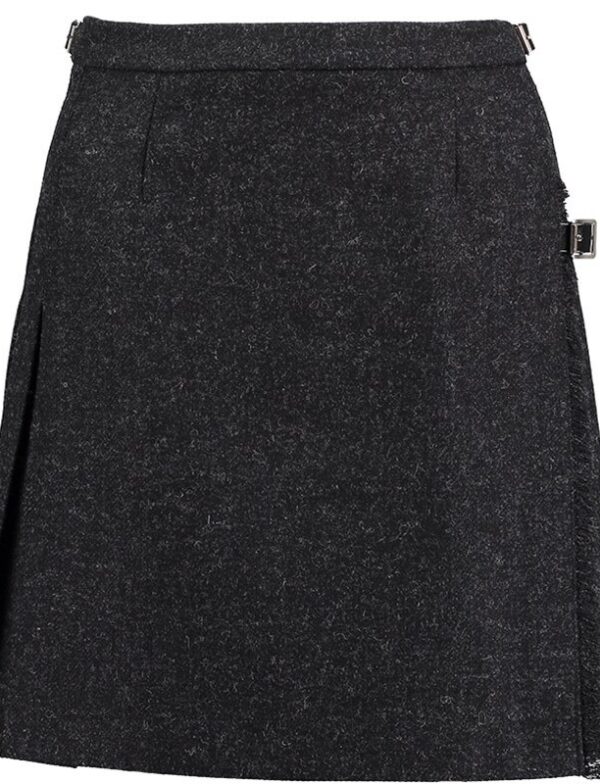
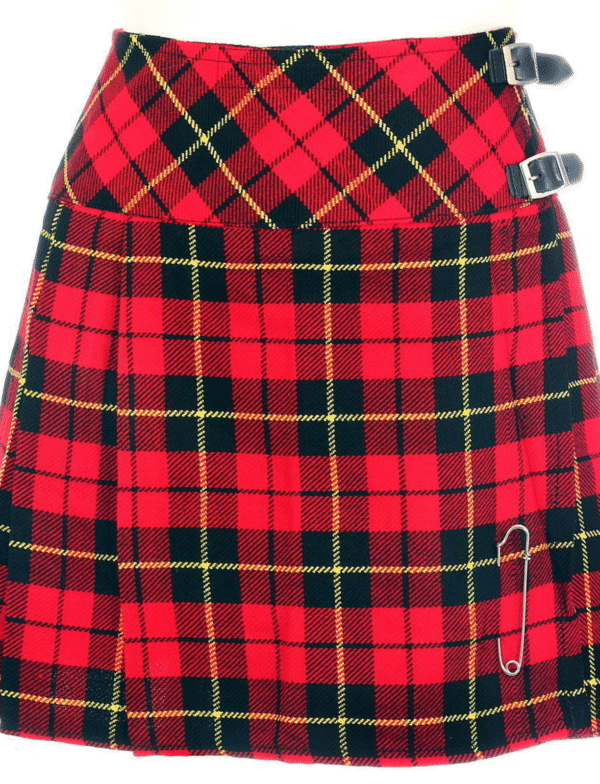
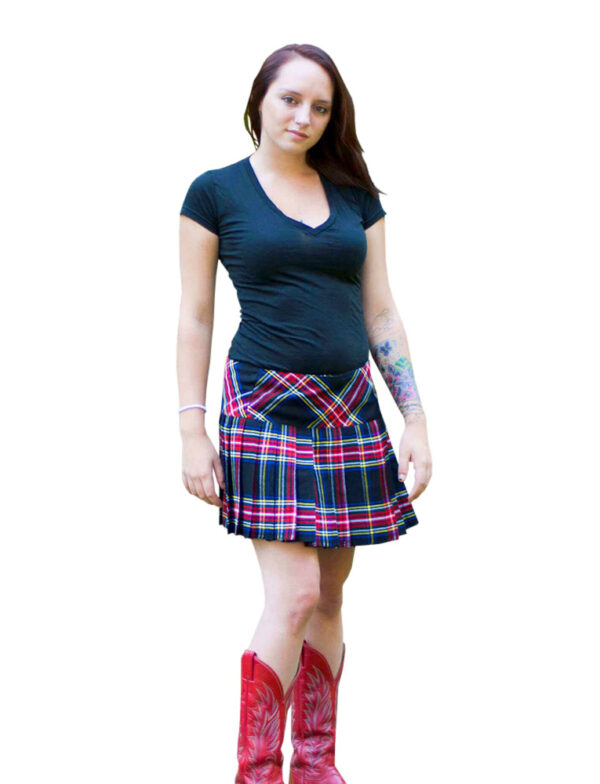
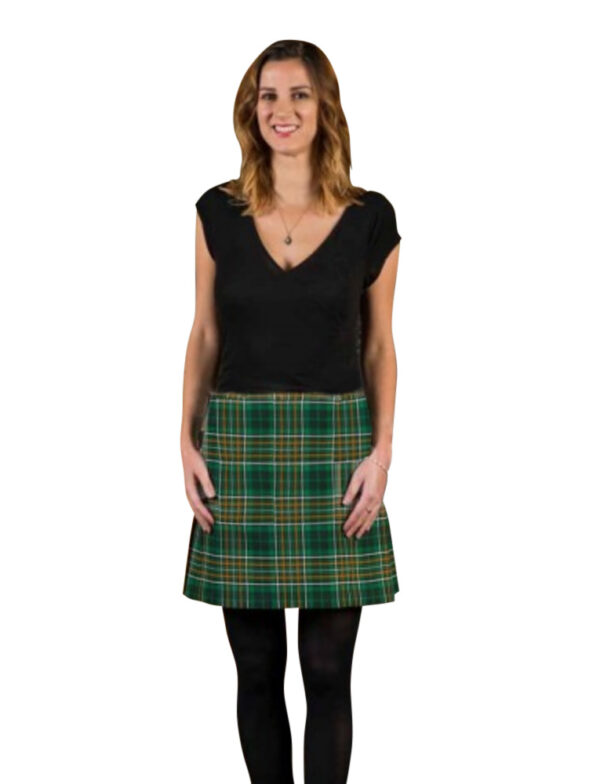
Mini kilts (16-20 inches) — sit at the crossroads between Scottish tradition and contemporary fashion. Available in tartan (Scottish tradition register, right for Highland dance festivals and Scottish heritage events), utility (modern streetwear register with cargo pockets and hardware), leather (alternative fashion and gothic register), and gothic (subculture-specific fabrics and detailing). The most versatile length in the range and the honest starting point for many first-time women's kilt buyers.
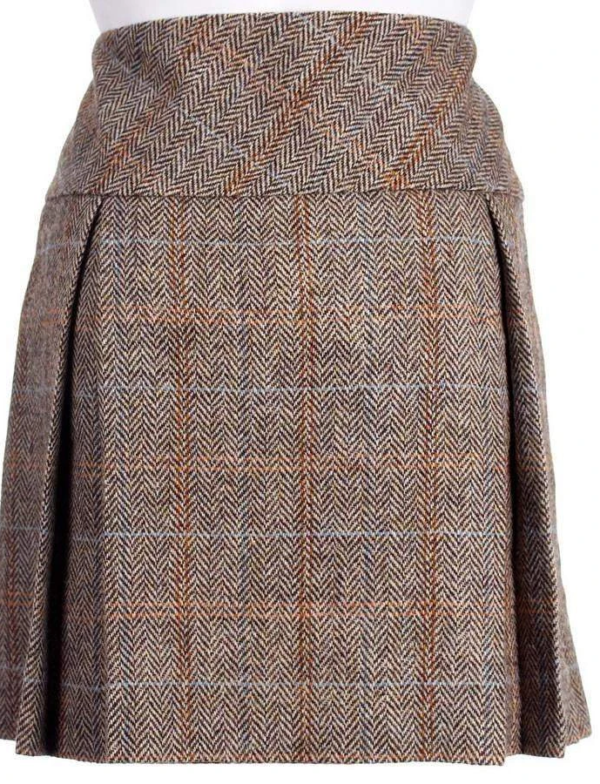
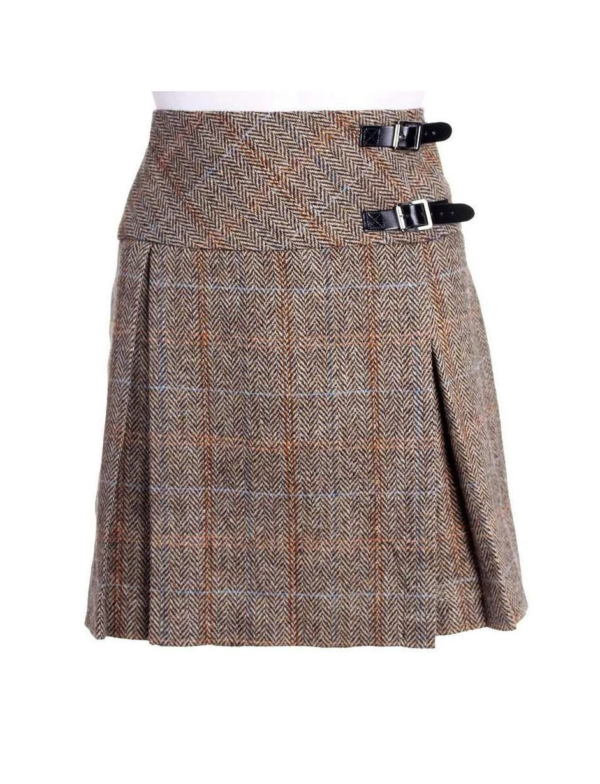
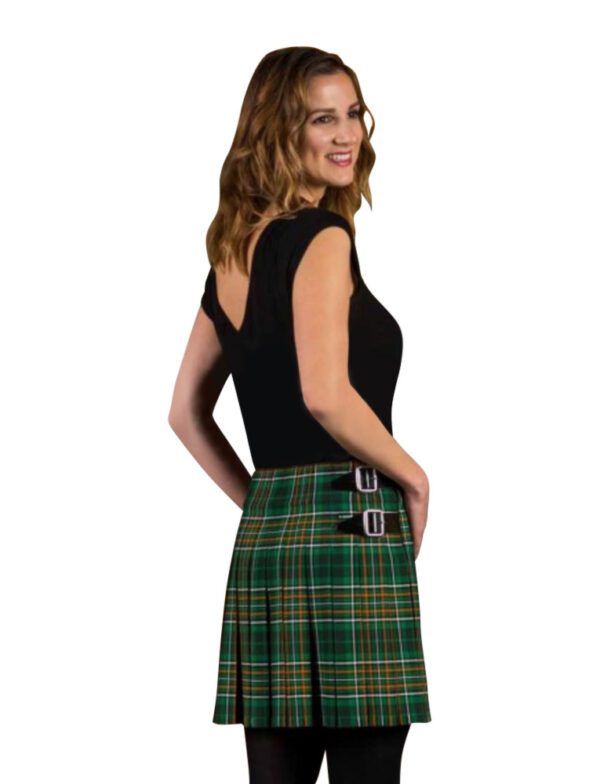
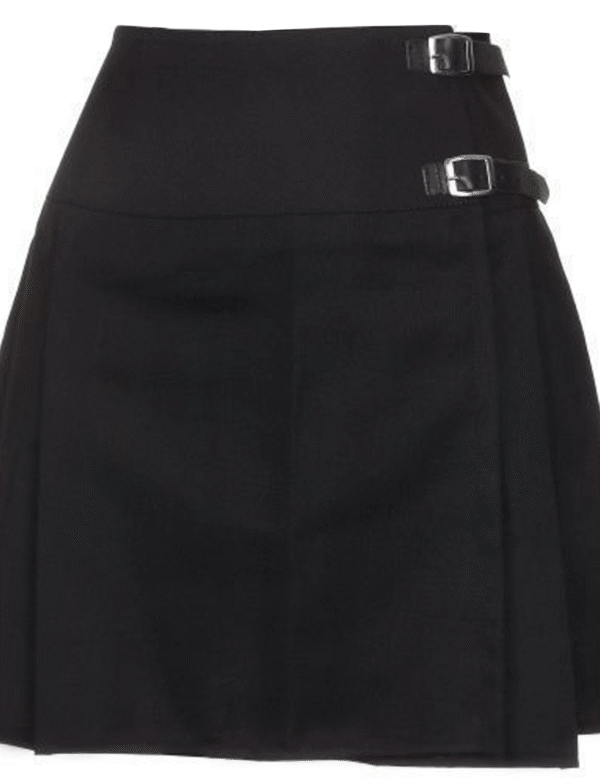
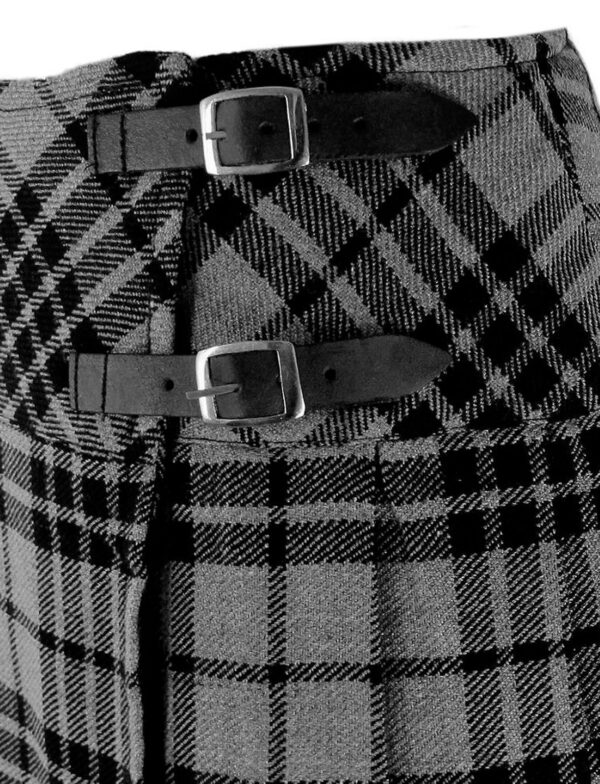
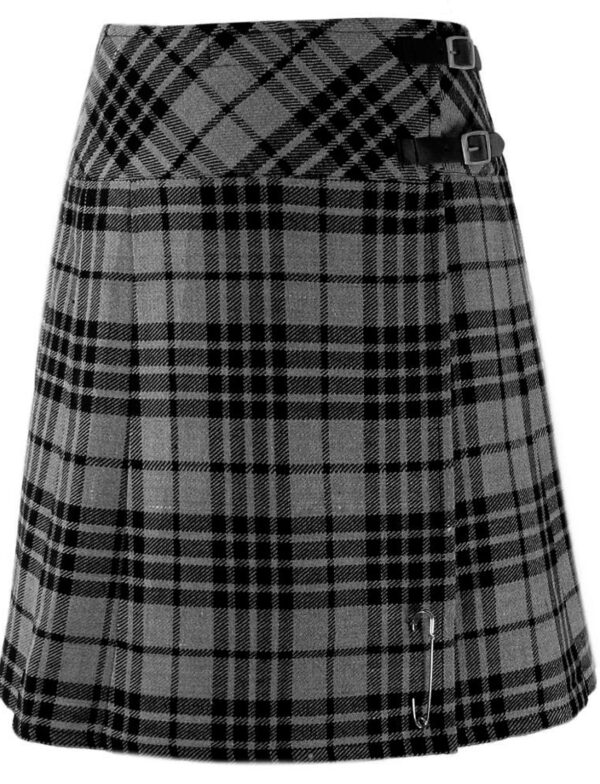
Billie kilts (22-24 inches) — the traditional Scottish women's Highland dance kilt, cut specifically to allow freedom of movement in Highland dance choreography while maintaining proper Scottish kilt construction. Right for Highland dance competitors and practitioners, Scottish country dancers, ceilidh dancers, and buyers who want the traditional Scottish shorter-length kilt in genuine tradition. Made in genuine Scottish tartan wool with hand-pleating, leather straps and buckles at the waist, and construction that meets Highland dance movement requirements.
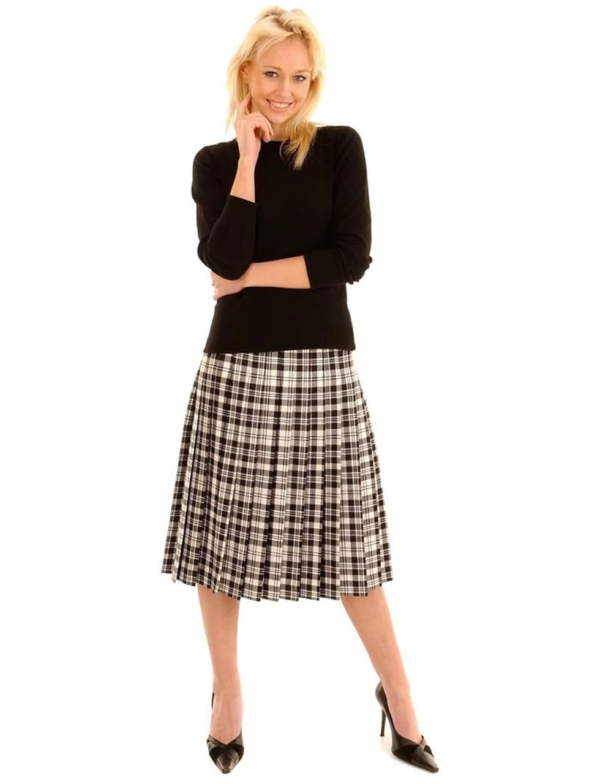
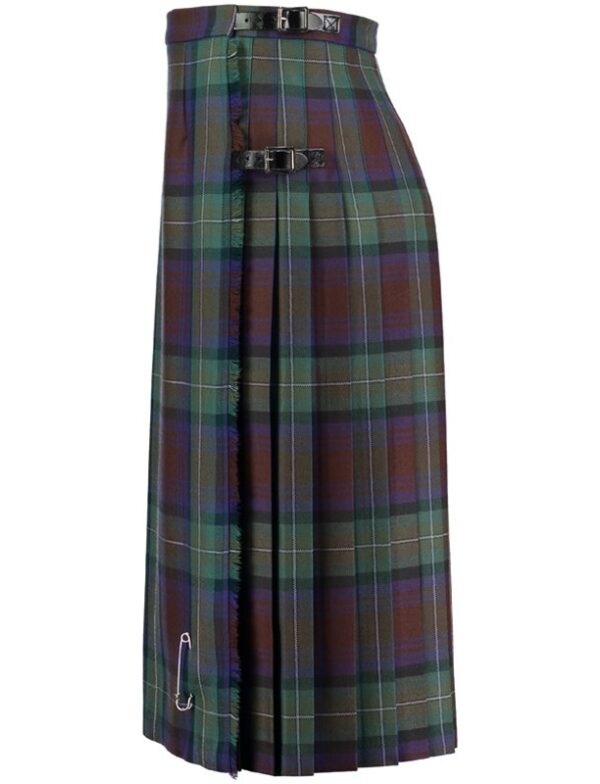
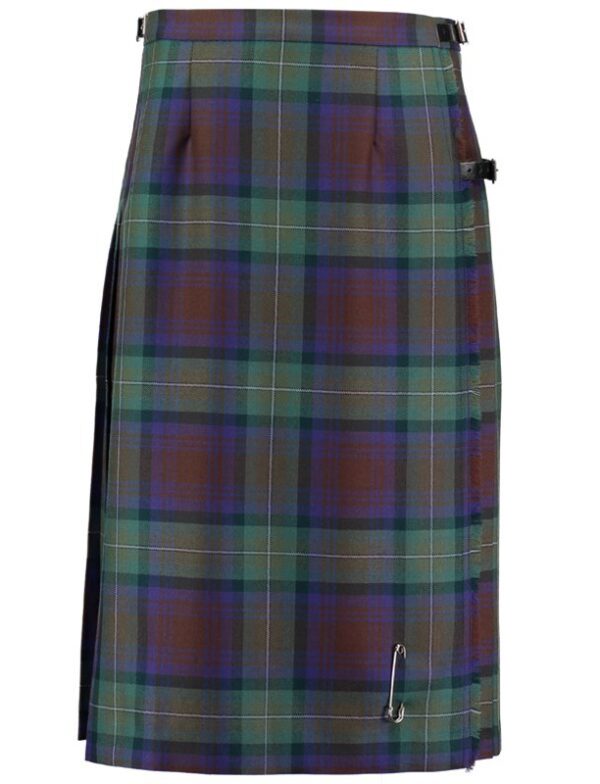
Knee-length kilts (26-30 inches) — the traditional formal Scottish women's kilt, worn at Scottish weddings as bride, bridesmaid, mother of the bride, or guest, at Burns Night dinners, at formal Highland occasions, and in Scottish ceremonial contexts. The register calls for genuine Scottish construction: eight yards of traditional tartan wool where the specification calls for it, hand-pleating at the back, leather straps and buckles at the waist, and lining where the formal register requires it. Cross-links with our forthcoming Women's Kilt Outfits range for complete Highland Dress ensembles.
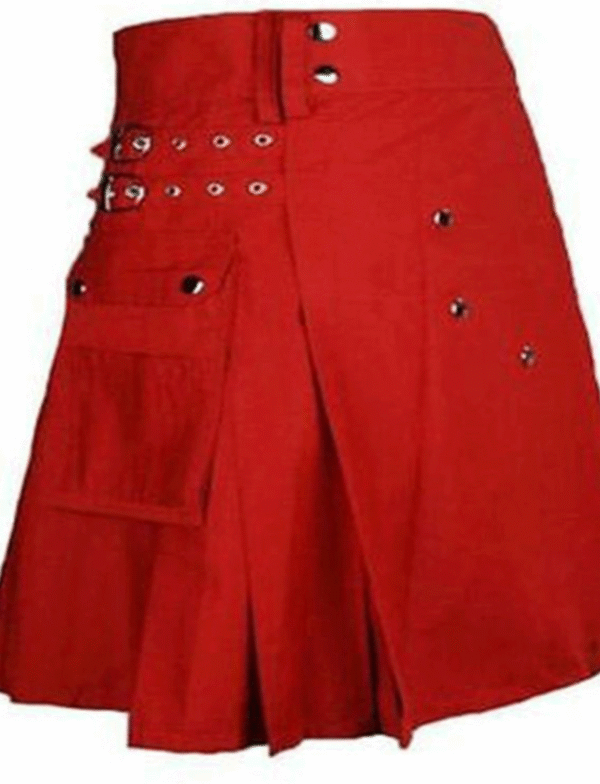
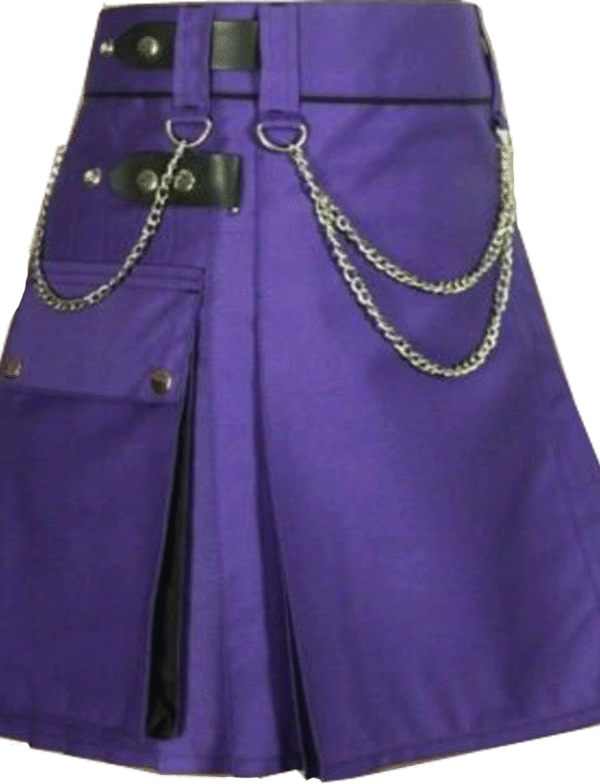
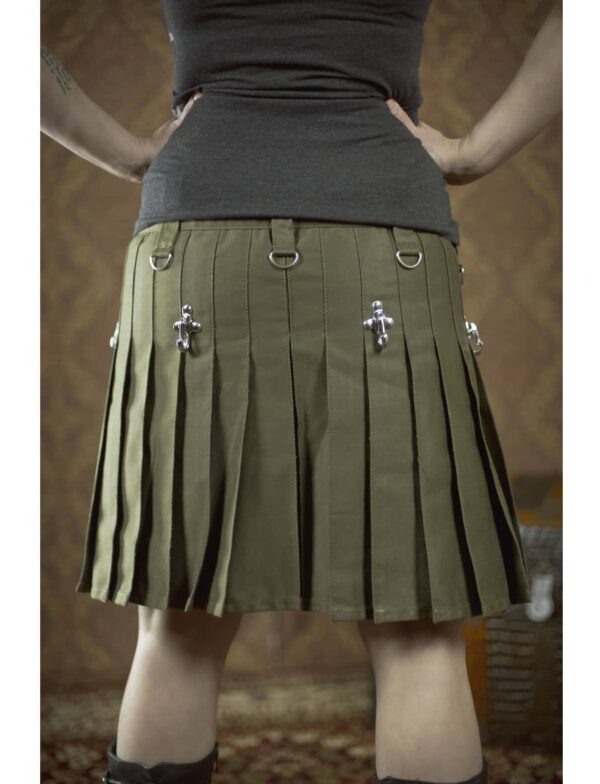
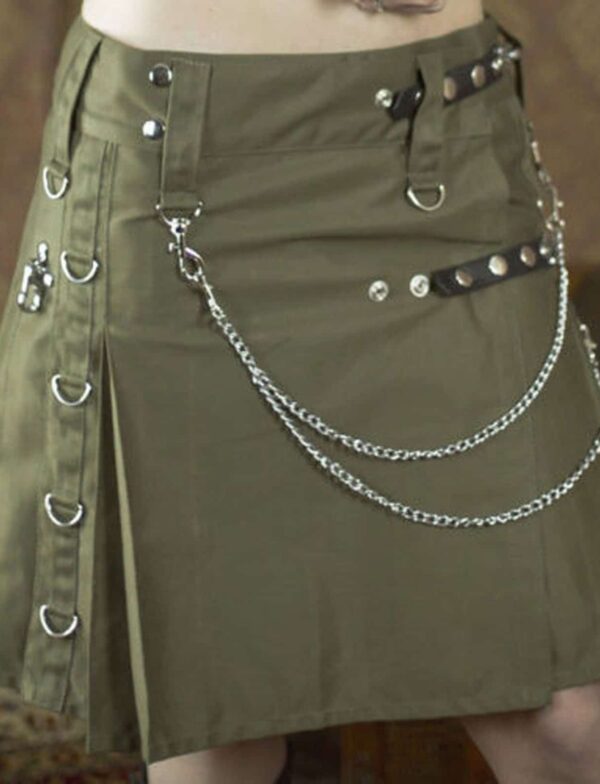
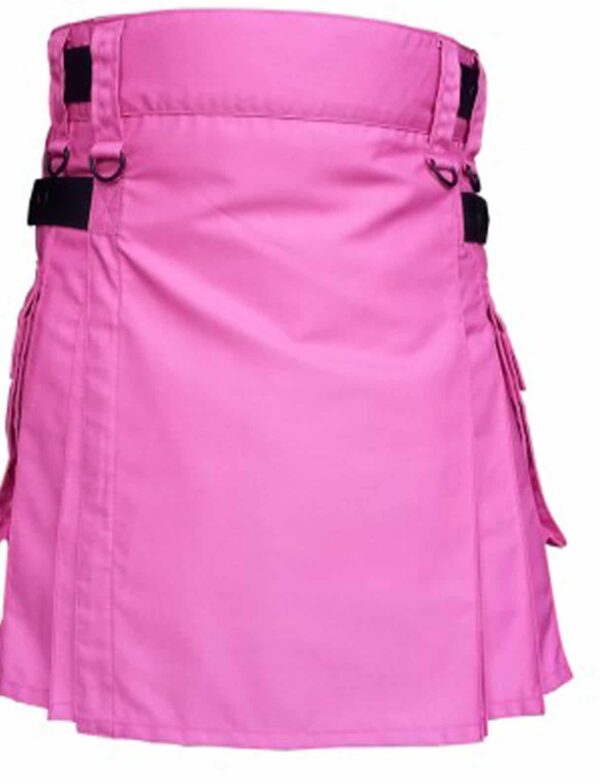
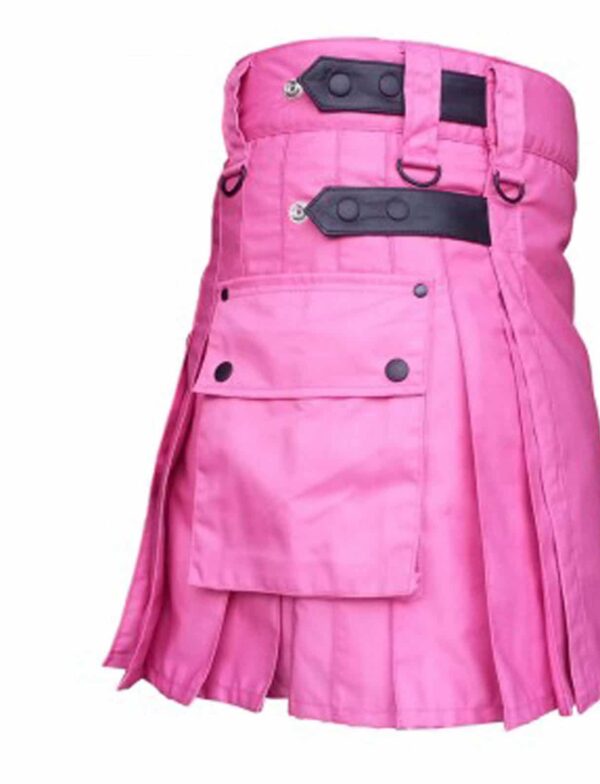
Utility kilts (18-28 inches) — modern kilt construction with cargo pockets, D-rings, adjustable hardware, and functional detailing in contemporary streetwear register. Made in canvas, twill, blended wool, and modern fabrics that suit daily wear, alternative fashion styling, festival contexts, and streetwear culture. Genuinely different register from Scottish tradition — not designed to be traditional Scottish kilts, and appropriate for the contemporary contexts they were designed for (streetwear, alternative fashion, festivals, functional daily wear) rather than Scottish weddings or Burns Night.
Gothic kilts (18-32 inches) — alternative fashion register in kilt construction with dark aesthetic, hardware detailing, and subculture-authentic styling. Made in leather, coated cotton, and dark utility fabrics that suit gothic subculture styling, alternative fashion events, gigs, and gothic wardrobes. Length varies by gothic subgenre (shorter for gothic streetwear and cyber goth, mid-length for trad goth, longer for romantic goth). Made for gothic subculture buyers rather than costume-adjacent styling.
Not sure which style suits your context? Message us with the event or use case — Scottish wedding, Highland dance, gothic gig, streetwear, festival, or specific styling context — and we'll route you to the right style before you commit.
How to choose between our women's kilt styles
The right style depends on what you're wearing the kilt for. Different registers call for different construction, length, and fabric.
For Scottish weddings and formal Highland occasions, knee-length kilts in traditional Scottish tartan wool are the correct register. Mini kilts read too short for formal Scottish register; utility and gothic kilts don't fit the tradition at all. If you're a wedding guest, bridesmaid, mother of the bride, or bride at a Scottish or Highland-formal wedding, knee-length kilt is the honest choice. For a complete Highland Dress ensemble, our forthcoming Women's Kilt Outfits range will supply matched sets; for individual pieces now, pair with our Highland wear accessories for the complete outfit.
For Highland dance and Scottish country dance, billie kilts (traditional 22-24 inch length) are the correct register. Cut specifically for dance movement with proper Scottish construction. If you're competing at SOBHD-graded Highland dance, message us with your dance grade and competition context — we cut the billie kilt to those specifications.
For ceilidhs, Highland games, and casual Scottish heritage events, both billie kilts and knee-length kilts are appropriate depending on the specific context. Ceilidhs where dance movement matters often call for billie length; more formal Highland games and heritage events with evening components often call for knee-length. Some Scottish festival contexts also accept tartan mini kilts for female attendees, particularly for younger buyers or contemporary Scottish festivals.
For contemporary alternative fashion and gothic subculture, gothic kilts are the honest register — subculture-authentic construction, appropriate fabrics and hardware, cut for pairing with gothic outerwear and corsets. Utility kilts also work in some alternative fashion contexts (cross-genre streetwear/alternative) but sit slightly outside gothic-specific styling. Cross-link naturally with our women's gothic jackets and coats, underbust corsets, and heavy footwear for full alternative fashion outfits.
For daily wear and streetwear, utility kilts are the correct register — modern construction for daily use, cargo pockets and hardware, appropriate fabrics for regular wear and washing. Utility kilts don't read as Scottish tradition and aren't trying to; they're modern kilt culture for contemporary contexts. Cross-link naturally with our women's leather jackets and streetwear-appropriate footwear.
For festival contexts, both utility kilts and gothic kilts work depending on the specific festival register. Folk and Celtic festivals often accept tartan mini kilts alongside traditional Scottish register. Alternative and gothic music festivals fit gothic kilt styling. General music and outdoor festivals suit utility kilts for functional wear.
For fashion register without specific subcultural or heritage register, mini kilts in tartan or fashion fabrics work as versatile everyday kilt-adjacent pieces. Utility kilts work in streetwear-adjacent fashion register. Both cross-link with our women's skirts range for buyers wanting kilt-adjacent styling in non-kilt cuts.
How our women's kilts differ from mass-market alternatives
Mass-market women's kilts have specific problems that made-to-measure construction solves. Most fast-fashion and ready-made women's kilts are sold as approximate sizing that fits perhaps 40-60% of women properly — buyers with proportions outside the standard chart end up with kilts that fit at the waist but are wrong at the hip, or fit at the hip but are wrong at the waist. Kilt fit is particularly unforgiving because the pleating is set to specific measurements — you can't easily alter a kilt after construction the way you can alter a simpler garment.
Made-to-measure means each kilt is drafted from your specific waist, hips, kilt length, hip drop, thigh, and any specific fit notes — cut for your body across every dimension rather than approximating from stock sizing. If the kilt doesn't fit the measurements you sent us when it arrives, we remake it at no cost.
Materials and construction also differ from mass-market. For traditional Scottish kilts, we use genuine Scottish tartan wool (not tartan-print polyester) with proper hand-pleating, leather straps and buckles, and construction that lasts decades. For utility and gothic kilts, we use appropriate modern fabrics with reinforced construction at stress points, quality hardware, and proper lining. Kilt and Jacks kilts cost more than fast-fashion equivalents but last significantly longer and fit meaningfully better.
How women's kilts pair with the rest of your wardrobe
Women's kilts cross-link naturally with several other Kilt and Jacks categories depending on the specific kilt register.
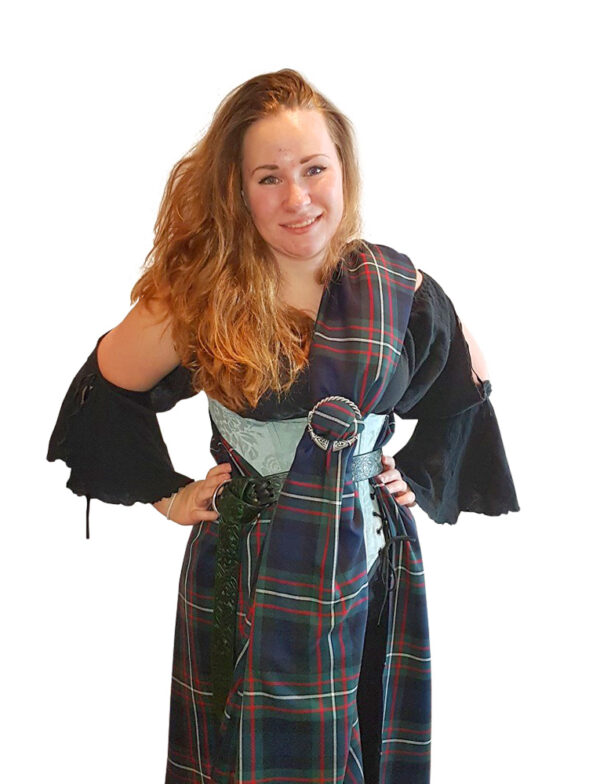
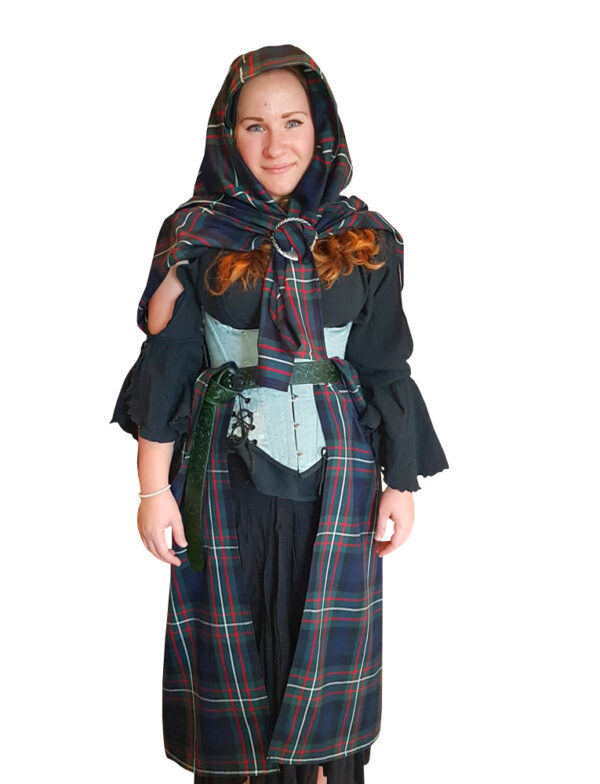
Traditional Scottish register (billie kilts, knee-length kilts) — pair with fitted white or Jacobite ghillie shirts, kilt hose or knee-high socks with flashes, ghillie brogues or comfortable low heels, tartan sashes for formal register, and Highland accessories from our Highland wear accessories range. For weddings and formal occasions, complete outfits with appropriate bodice, accessories, and coordinating pieces.
Alternative and gothic register (gothic kilts, some mini kilts) — pair with our women's gothic jackets and coats, underbust corsets or overbust corsets, fitted alternative tops, and heavy footwear (combat boots, platform boots, Victorian-influenced boots depending on subgenre).
Streetwear and utility register (utility kilts, some mini kilts) — pair with our women's leather jackets, fitted tops, streetwear-appropriate footwear (combat boots, sneakers, platform sneakers), and functional accessories.
Contemporary fashion register (mini kilts, some utility kilts) — pair with fitted knits and blouses, considered outerwear, versatile footwear appropriate to the specific outfit context, and cross-link with our women's skirts range for skirt-based alternatives in similar styling registers.
Every women's kilt ships in ten working days from order confirmation, is hand-tailored at our workshop, and is guaranteed to fit the measurements you sent us. If it doesn't, we remake it at no cost. See our returns policy for full terms.
5 stylesMini, billie, knee-length,
utility, and gothic
utility, and gothic
10 daysCut, tailored,
shipped
shipped
6 measurementsGuaranteed to fit
or remade free
or remade free
From $189Made-to-measure
pricing
pricing
Frequently asked
Questions before ordering
Which women's kilt style should I choose?
Depends on what you're wearing the kilt for. For Scottish weddings and formal Highland occasions — knee-length kilts in traditional Scottish tartan wool. For Highland dance — billie kilts (22-24 inches, cut for dance movement). For gothic and alternative fashion contexts — gothic kilts with subculture-authentic construction. For daily wear, streetwear, and festivals — utility kilts with modern construction and functional hardware. For fashion contexts and versatile shorter-length styling — mini kilts across tartan, utility, leather, and gothic styles. If you're unsure, message us with the specific event or context and we'll route you to the right style before you commit.
Are your women's kilts traditional Scottish or modern kilt culture?
Both. Our range covers Scottish tradition (billie kilts for Highland dance, knee-length kilts for Scottish weddings and formal Highland occasions, tartan mini kilts for Scottish heritage contexts) and contemporary kilt cultures (utility kilts for streetwear and functional wear, gothic kilts for alternative fashion, fashion mini kilts for contemporary styling). Different sub-categories serve different registers, and we don't confuse them — Scottish tradition kilts are cut in genuine Scottish construction with traditional tartan wool; utility and gothic kilts are cut in modern kilt culture register with appropriate contemporary materials and construction. Choose based on what register you're actually shopping for. If you want Scottish tradition, our billie and knee-length ranges are the honest fit. If you want modern kilt culture, our utility and gothic ranges are the honest fit.
What length kilt should I order?
Depends on register and context. Mini (16-20 inches) — shortest length, fashion-forward register, right for streetwear, alternative fashion, casual Scottish contexts, and buyers who want the shortest silhouette. Billie (22-24 inches) — traditional Scottish Highland dance length, cut specifically for dance movement, right for Highland dance and Scottish tradition contexts where movement matters. Knee-length (26-30 inches) — traditional formal Scottish women's kilt length, falls at or just below the knee, right for Scottish weddings, Burns Night, formal Highland occasions, and buyers wanting genuine Scottish tradition register. Utility (18-28 inches range) — modern kilt culture length, varies by specific styling context and preference. Gothic (18-32 inches range) — varies by gothic subgenre (shorter for cyber goth and gothic streetwear, mid-length for trad goth, longer for romantic goth). All lengths are made-to-measure — you specify the exact length in your measurements, and we cut to it.
How do I choose my tartan?
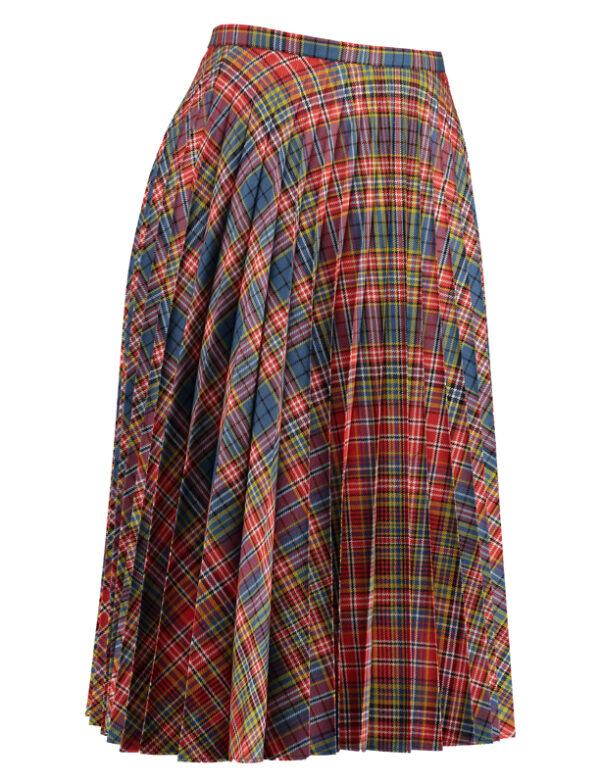
Three routes. Clan or family tartan — if you have Scottish family heritage, your clan or family tartan is the meaningful choice and reads correctly at every Scottish tradition context. The Scottish Register of Tartans lists registered tartans by surname and clan. Universal tartan — if you don't have a specific family connection, universal tartans are open to anyone. Black Watch (dark blue, green, and black) is the most versatile for formal contexts. Royal Stewart (bright red) is the most recognised globally. Flower of Scotland (modern national tartan), Isle of Skye, and Caledonia are contemporary universal tartans. Fashion or event-matched tartan — for fashion and non-traditional contexts, you can choose a tartan that matches your outfit or aesthetic rather than family heritage. This is appropriate for mini kilts in fashion register, utility kilts, and gothic kilts. Not sure which tartan suits your context? Message us with your Scottish family surname if you have one and your event context, and we'll advise.
What if I'm not Scottish? Can I wear a Scottish women's kilt?
Yes. Scottish tradition is globally practised, and Highland dress is worn at Scottish weddings, Burns Night dinners, Highland games, and Scottish heritage events by attendees of every heritage background worldwide. If you have Scottish family heritage, wearing your clan or family tartan is meaningful. If you don't, universal tartans (Black Watch, Royal Stewart, Isle of Skye, Flower of Scotland, Caledonia) are entirely open to anyone and appropriate for any Scottish tradition context. The tradition welcomes serious participation regardless of family background — what matters is respecting the tradition properly, wearing the outfit appropriately for the event, and treating Scottish culture as the living tradition it is rather than as costume. Modern kilt cultures (utility, gothic, fashion mini) don't carry the same heritage register and are worn globally without heritage considerations — they're contemporary garments in their own right.
How is a women's kilt different from a men's kilt?
The construction and cut are genuinely different. Women's kilts are cut to women's proportions — wider hip drop, fitted waistband that sits at the natural waist, pleat placement adjusted for the female silhouette, length ranges appropriate to women's typical proportions (26-30 inches for traditional knee-length, 22-24 inches for billie, 16-20 inches for mini). Men's kilts are cut to men's proportions — different waist-to-hip ratios, waistbands that sit at the true waist above the hip (higher than most modern trousers), and lengths that sit at the top of the kneecap. Beyond cut, Scottish women's Highland dress and men's Highland dress differ in the accessories worn with the kilt (women wear tartan sashes and bodices; men wear jackets, waistcoats, and full-dress sporrans) and the specific outfit conventions. Our women's kilts are cut specifically for women's proportions — not scaled-down men's kilts.
How do I care for my women's kilt?
Depends on the fabric. Traditional Scottish tartan wool kilts (billie, knee-length, tartan mini) require dry clean only, hang on a proper kilt hanger to preserve pleating, store in a breathable garment bag away from direct sunlight to prevent tartan fade, address stains promptly with professional dry cleaning. Utility kilts in canvas, twill, or cotton are machine washable — machine wash cold or warm depending on fabric, hang dry or tumble dry on low, iron as needed. Leather kilts — spot-clean with a slightly damp cloth, condition twice a year with proper leather conditioner, never machine wash. Gothic kilts vary by fabric — leather same as leather care, coated cotton and PVC-coated fabrics wipe down with damp cloth. Traditional Scottish kilts last decades with proper care and can be worn across multiple important Scottish occasions over a lifetime.
What if I need my kilt for a specific date?
Every women's kilt ships in ten working days from order confirmation, plus international transit time depending on destination. For a wedding, Burns Night, Highland dance competition, or other specific-date occasion, order at least 6-8 weeks before the event to allow for our workshop time (10 working days), international shipping (typically 3-10 additional days depending on destination), any potential fitting concerns, and a safety margin. For Scottish weddings, order well in advance — spring wedding season (mid-March to May) requires ordering by end of January; late summer weddings (August to September) by mid-June. For Burns Night (25 January), order by mid-November. For international orders (US, Canada, Australia, and beyond), add an extra week to your planning timeline. If you have a tight timeline, message us before ordering — we can occasionally accommodate rush orders with a small rush fee.