BLACK FRIDAY IS HERE! ✦ 20% OFF EVERYTHING · Shop the Sale →
About our underbust corsets
Underbust corsets in construction, fashion, and waist training register, since 2017
Kilt and Jacks has been making underbust corsets by hand since 2017. Every corset we ship — whether for waist training with steel-boned construction, for fashion layering over tops and blouses, for gothic and alternative fashion styling, or for event and costume wear — is drafted from six measurements you send us: underbust, natural waist, hips, torso length (underbust to natural waist), full torso length (underbust to hip), and any specific fit notes for your body. Cut and stitched by hand at our workshop under Master Tailor Kristy McMillan, with proper corset construction throughout: appropriate boning specification (steel-boned or standard depending on the specific corset's intended use), quality busk closure, lacing at the back for adjustment, coutil interlining where the construction calls for it, and lining fabric that suits both comfort and durability.
What defines the underbust corset
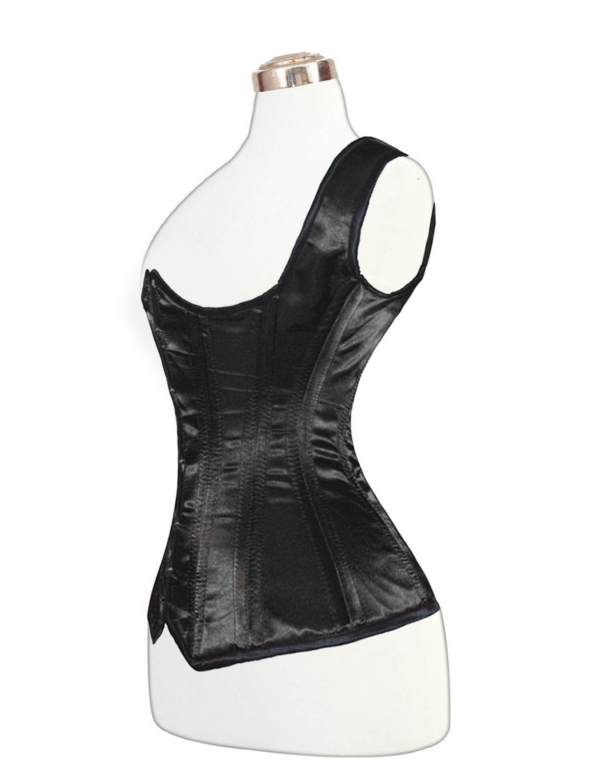
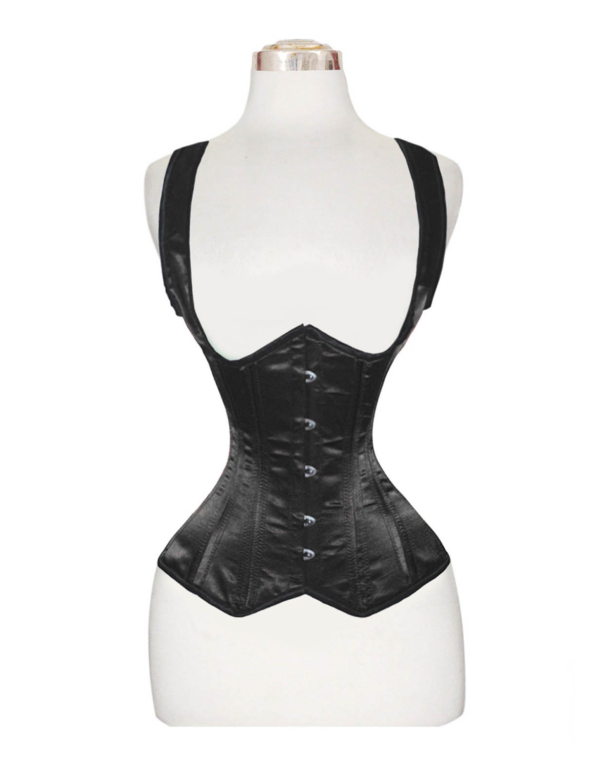
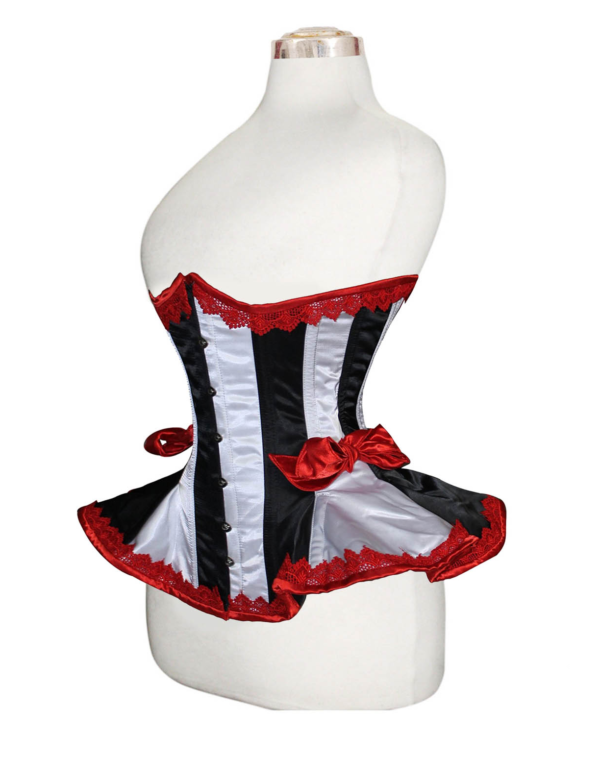
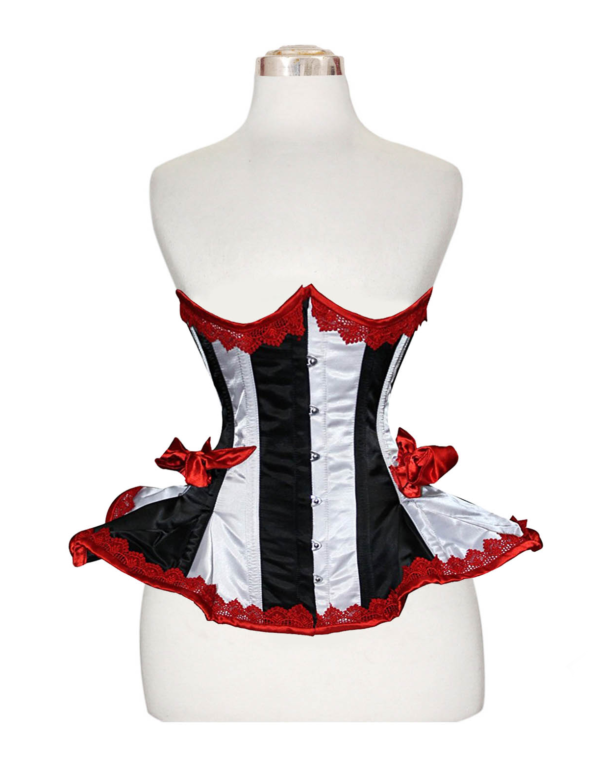
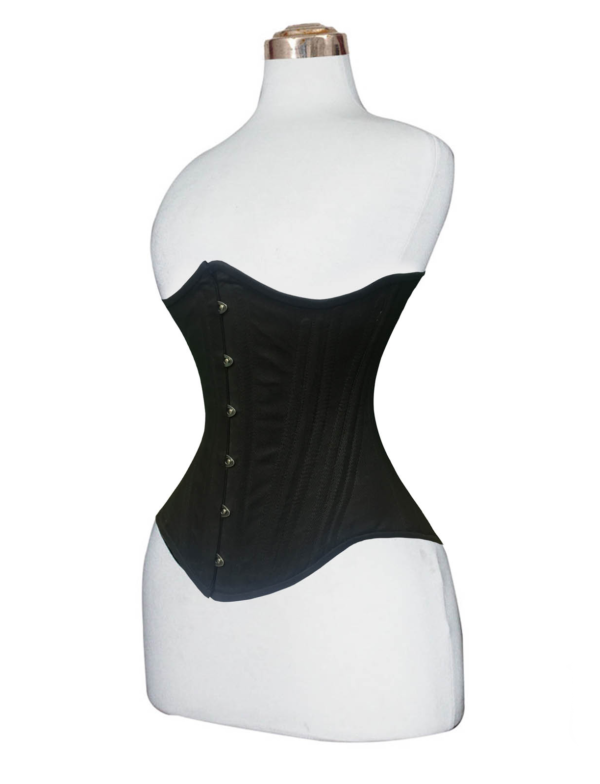
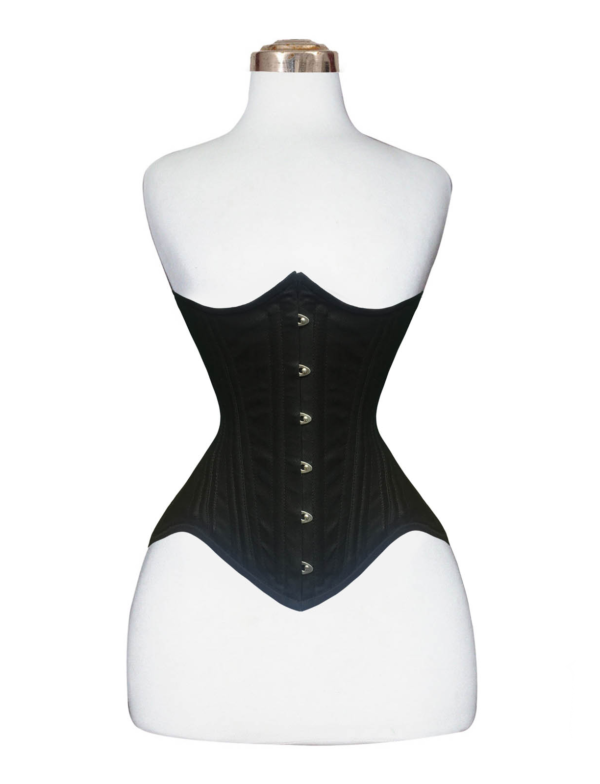
Underbust corsets are the corset construction that begins at the underbust (just below the bust) and ends at or below the natural waist, leaving the bust uncovered to be worn with the buyer's existing tops, blouses, or bras layered underneath or above. This distinguishes underbust corsets from overbust corsets (which cover the bust and torso in a single garment) and from waspie corsets (which target only the waist across a shorter 4-6 inch height).
The underbust construction is genuinely versatile across buyer intent. For waist training buyers, underbust corsets in steel-boned construction are the standard serious tight-lacing corset — the construction accommodates the natural bust movement during training, allows for regular wear without the bust discomfort that overbust waist trainers can cause, and gives the buyer control over what they wear above the corset. For fashion buyers, underbust corsets layer over blouses, fitted tops, and dresses to create structured silhouettes without covering the buyer's chosen top piece — this is why underbust corsets have become one of the most versatile pieces in contemporary alternative fashion, corp goth register, and Victorian-influenced fashion styling. For gothic and alternative subculture buyers, underbust corsets pair with fitted tops, band tees, or mesh shirts to create the specific gothic silhouette that reads as authentic subculture rather than costume.
Steel-boned vs standard construction
The single most important choice when buying an underbust corset is boning specification, because it determines what the corset can actually do.
Steel-boned underbust corsets use flat steel bones (typically 8-24 bones depending on the specific corset) arranged around the torso to hold the corset shape under significant compression. Steel-boned construction is what enables genuine waist training — waist reduction of 2-4 inches for serious tight-lacers over months and years of progressive wear. Steel-boned corsets also hold their shape indefinitely, don't distort with regular wear, and can be laced tightly enough to genuinely reshape the body over time. They're heavier, more expensive, and require proper break-in and technique, but they're the honest choice for anyone taking corset wear seriously. Steel-boned construction is also required for corsets worn as visible outer garments in gothic, alternative, and structured fashion contexts — the boning holds the silhouette that makes the corset read as intentional.
Standard construction underbust corsets use plastic bones or lighter spring steel bones that hold shape for fashion wear and light shaping but do not accommodate serious tight-lacing or waist training. Standard corsets are appropriate for fashion layering, occasional wear, and buyers who want the visual corset silhouette without the commitment of waist training. They're lighter, more accessible in pricing, and easier to wear casually, but they don't reshape the body and will distort over time with heavy lacing.
Choose steel-boned if: you're interested in waist training, you want the corset to be a serious wardrobe piece worn regularly across years, you're wearing the corset visibly as outerwear in gothic or alternative fashion contexts, or you want a corset that holds its silhouette regardless of use. Choose standard construction if: you're wearing the corset for fashion layering only, you want a lighter piece for occasional wear, or you're building a first corset before deciding whether to invest in steel-boned construction.
For buyers specifically interested in serious waist training, see our waist training corsets range, which focuses specifically on steel-boned construction optimised for tight-lacing progression.
Fabrics and construction we use
Underbust corsets in our range work across several fabric categories, each suiting specific styling contexts.
Leather (full-grain and top-grain) — the strongest visual register for underbust corsets, right for gothic and alternative fashion styling, corp goth register, and buyers who want the corset to be a genuine statement piece. Leather underbust corsets pair naturally with our leather register across the site and read as authentic to alternative fashion communities. See also our leather corsets range for the material-focused hub covering all leather corset construction types.
Satin — the classic fashion corset fabric, right for structured fashion outfits, Victorian-influenced styling, evening wear, and buyers who want a smoother visual register than leather. Available in black (most versatile), ivory (for bridal and formal contexts), and specialty colours (deep red, burgundy, purple, black-on-black). Satin corsets have a specific historical fashion register that reads as intentional and considered.
Brocade and tapestry fabrics — pattern-forward fabric with historical fashion associations, right for Victorian gothic register, steampunk styling, and buyers who want the corset to reference historical fashion tradition. See our steampunk corsets range for the specific Victorian-inspired construction hub.
Cotton and cotton coutil — the traditional serious corset fabric, right for waist training corsets and long-term daily wear. Cotton coutil (a specific tightly-woven cotton fabric designed for corset construction) is the material serious corset makers use for the interlining of steel-boned corsets — it doesn't stretch under compression and allows the corset to reshape the body properly over time.
Velvet and specialty fabrics — romantic goth register, statement fashion pieces, and buyers who want specific fabric character. Available on request.
Construction across all fabric choices includes proper busk closure at the front (the metal busk with pins and eyes that allows the corset to be opened without unlacing), lacing at the back for adjustment, satin or cotton lining for comfort against the skin, coutil interlining in steel-boned corsets for structure, and reinforced grommets at every lacing eyelet. Hardware finish (busk, grommets, garter straps if included) available in matte black, brass, chrome, or antique nickel depending on your aesthetic preference.
Fit, sizing, and how corsets differ from other garments
Corset fit works genuinely differently from other clothing. Standard clothing sizes fit approximately 40-60% of women properly; corsets are much less forgiving — a corset that's a poor fit is uncomfortable, doesn't perform its intended function, and can be genuinely unwearable. Made-to-measure means the corset is cut to your specific proportions across underbust, natural waist, hips, and torso length (both underbust-to-waist and underbust-to-hip). This matters more than for most garments because corsets work by distributing compression evenly across the torso — poor fit concentrates compression at points where it shouldn't be, causing discomfort and preventing the corset from doing its job.
Sizing for waist training specifically requires understanding lacing gap — the space between the two edges of the corset at the back, which lacing pulls closed as the corset compresses the waist. Serious waist training corsets are typically sized 4 inches smaller at the natural waist than the wearer's measurement, worn with an initial lacing gap of 2-4 inches that closes progressively as the wearer breaks in the corset and their body adjusts to the compression. For your first waist training corset, choose a corset sized 3-4 inches below your natural waist measurement — smaller than that and you'll struggle to close it comfortably in the break-in period. Larger and you won't get meaningful compression.
Sizing for fashion corsets is more forgiving because you're not compressing to significant reduction. Choose a corset sized 1-2 inches below your natural waist for a comfortable fit that provides shape without serious compression. If you're new to corsets and unsure about sizing, message us with your intended use case and measurements, and we'll advise before you commit.
How to wear an underbust corset
The specific wear context depends on your intended use. For fashion layering — wear the underbust corset over a fitted top (fitted white blouse, black long-sleeve, mesh top, or fitted knit) with the top providing the bust coverage and the corset creating the structured waist silhouette. Pair with skirts, kilts, or trousers depending on the register you're building. This is the most versatile styling and works from streetwear through to smart-casual and formal contexts. For gothic and alternative fashion — pair the underbust corset (typically in leather or dark fabric) with a fitted band tee, mesh long sleeve, or gothic top, add a gothic kilt or leather skirt for the bottom half, and finish with combat boots or platform boots. Cross-link with our women's gothic jackets and coats for full outfit builds. For waist training — wear the steel-boned underbust corset under fitted clothing during training sessions (typically 4-8 hours per day in progressive sessions), following proper break-in and lacing progression that we can guide you through when you order.
Underbust corsets do not work well under fitted knits or thin fabrics unless you specifically want the corset silhouette to be visible through the layer above — the boning shows through thin fabrics. For invisible corset wear under clothing, choose a corset appropriately fitted to your body and worn under structured tops (blazers, structured tops, thicker fabrics).
Every underbust corset ships in ten working days from order confirmation, is hand-tailored at our workshop, and is guaranteed to fit the measurements you sent us. If it doesn't, we remake it at no cost. See our returns policy for full terms.
Steel-boned or standardWaist training or
fashion construction
fashion construction
10 daysCut, tailored,
shipped
shipped
6 measurementsGuaranteed to fit
or remade free
or remade free
From $189Made-to-measure
pricing
pricing
Frequently asked
Questions before ordering
What's the difference between underbust, overbust, and waspie corsets?
Underbust corsets start at the underbust (just below the bust) and end at or below the natural waist, leaving the bust uncovered to be worn with the buyer's existing tops or bras. Most versatile construction — works for waist training, fashion layering, and gothic/alternative styling. Overbust corsets cover the bust and torso in a single garment, providing bust support integrated into the corset itself. Right for buyers who want a complete top piece and don't want to worry about bust coverage separately — see our overbust corsets range. Waspie corsets target only the waist across a shorter 4-6 inch construction height, typically for waist accent under fashion clothing or for buyers who want minimal corset coverage — see our waspie corsets range. Choose based on how you want the corset to sit on your body and what you're wearing it for.
Do I need a steel-boned underbust corset or is standard construction enough?
Depends on your intended use. Choose steel-boned construction if you're interested in waist training, want the corset to be a serious wardrobe piece worn regularly across years, are wearing the corset visibly as outerwear in gothic or alternative fashion contexts, or want a corset that holds its silhouette regardless of use. Steel-boned corsets are the standard for anyone taking corset wear seriously. Choose standard construction (plastic or light spring steel bones) if you're wearing the corset for fashion layering only, want a lighter piece for occasional wear, or are building a first corset before committing to steel-boned construction. Standard corsets are appropriate for fashion but don't accommodate waist training and will distort over time with heavy lacing. If you're serious about waist training specifically, our waist training corsets range is optimised specifically for that use.
What size underbust corset should I order?
Depends on your intended use. For fashion wear, choose a corset sized 1-2 inches below your natural waist measurement — comfortable fit that provides shape without serious compression. For waist training, choose a corset sized 3-4 inches below your natural waist — designed to be worn with an initial lacing gap of 2-4 inches that closes progressively as you break in the corset and your body adjusts to compression. Do not choose a corset sized more than 4 inches below your natural waist as your first corset — you'll struggle to close it comfortably in the break-in period. All our corsets are made-to-measure — you provide six measurements (underbust, natural waist, hips, underbust-to-waist torso length, underbust-to-hip full torso length, and any fit notes), and we cut to your body specifically. If you're unsure about sizing, message us with your intended use and measurements before ordering.
How do I put on an underbust corset properly?
Proper putting-on technique matters for both comfort and fit. Loosen the lacing at the back before wearing — the lacing should have significant slack so you can open the corset around your body without forcing it. Close the busk at the front — the metal busk with pins and eyes should close from top to bottom or bottom to top with the corset positioned around your torso. Tighten the lacing progressively from top and bottom toward the waist — work in small increments, alternating top and bottom sections, and letting the corset settle into position between adjustments. Do not lace tightly immediately — new corsets require a break-in period of 1-2 weeks of shorter wear sessions (2-4 hours) with progressive lacing before you attempt full compression. Bow the lacing at the back or knot at the natural waist where the lacing comes together — the natural waist position gives you the most efficient lacing mechanics. For waist training specifically, we can provide additional detailed guidance when you order — message us for the full break-in and progression protocol.
How long can I wear an underbust corset per day?
Depends on your experience level and specific use. For new corset wearers in the break-in period (first 2 weeks) — start with 2-4 hour sessions with light lacing, gradually increasing duration and compression as your body adjusts. For experienced fashion wearers — 6-8 hour sessions are comfortable for most, potentially longer for social events. For waist training specifically — 8-12 hour sessions are typical for serious tight-lacers, with rest days built into the training schedule (typically 5-6 days on, 1-2 days off). Never wear a corset overnight — the compression on the torso during sleep can cause discomfort and doesn't add to training progress. If you experience genuine pain (not just tightness), difficulty breathing, or numbness, loosen or remove the corset immediately. Corset wear should be uncomfortable-adjacent at maximum compression but never genuinely painful. Listen to your body throughout wear sessions.
Can I wear an underbust corset under clothing invisibly?
Yes, with the right fit and layering choices. For invisible corset wear under clothing, choose a corset appropriately fitted to your body (not oversized) worn under structured tops that mask the boning outline — blazers, structured tops, thicker knits, or fitted tailored pieces. Avoid thin fabrics (fine cotton, thin knits, silk blouses) that show the boning outline through them, unless you specifically want the corset silhouette visible through the layer above. Underbust corsets work particularly well under blazers, structured jackets, and fitted knitwear because the corset creates a smooth waist silhouette under the top layer while the bust remains covered by whatever top you're wearing over the corset. For gothic and alternative fashion styling where the corset is worn visibly as an outer garment, this styling approach is deliberately different — see the "how to wear" section above for visible corset styling.
How do I care for my underbust corset?
Depends on the fabric. Leather underbust corsets — spot-clean with a slightly damp cloth as needed, condition twice a year with proper leather conditioner (Saphir Renovateur or comparable), never machine wash or dry clean, store hanging or flat away from direct sunlight. Satin corsets — spot-clean with mild soap and water on the exterior; dry clean only for the corset itself (the boning and construction won't survive machine washing). Cotton and cotton coutil corsets — hand wash cold in a laundry bag with gentle detergent, air-dry flat (never tumble dry — the heat can damage the boning and construction), spot-clean between full washes. Brocade and specialty fabrics — dry clean only. Across all fabrics: air the corset between wears rather than storing damp; store hanging on a wide hanger or flat on a shelf, not folded (folding can crease and damage the boning); check lacing periodically for wear and replace if fraying. Properly cared for, a hand-made corset lasts years of regular wear.
What if I'm new to corsets and unsure where to start?
Start with a standard construction underbust corset in a versatile fabric (satin or cotton) in black, sized 1-2 inches below your natural waist for a comfortable first fit. This gives you the corset silhouette and experience of wear without the commitment of steel-boned construction and serious sizing reduction. Wear it for fashion contexts (over blouses and fitted tops) for a few months to understand how corsets feel and how you wear yours. If after that experience you decide to progress to serious waist training or want a corset as a regular wardrobe piece, invest in a steel-boned corset in leather, brocade, or specialty fabric with more meaningful sizing reduction. For most new buyers, starting with the commitment of a first steel-boned corset without the standard-construction experience is unnecessarily demanding — the standard corset teaches you what you actually want from your second corset. If you have specific questions before ordering your first corset, message us with your goals and we'll advise on the honest starting point for your specific situation.