BLACK FRIDAY IS HERE! ✦ 20% OFF EVERYTHING · Shop the Sale →
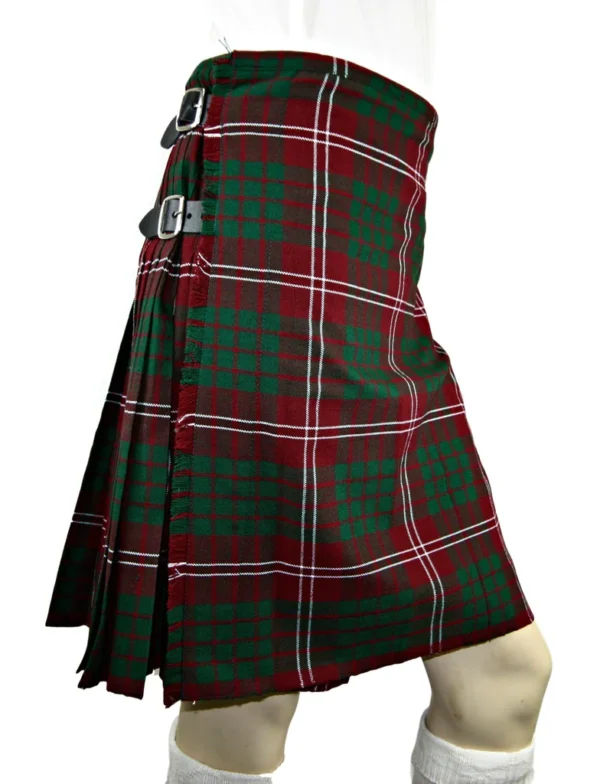
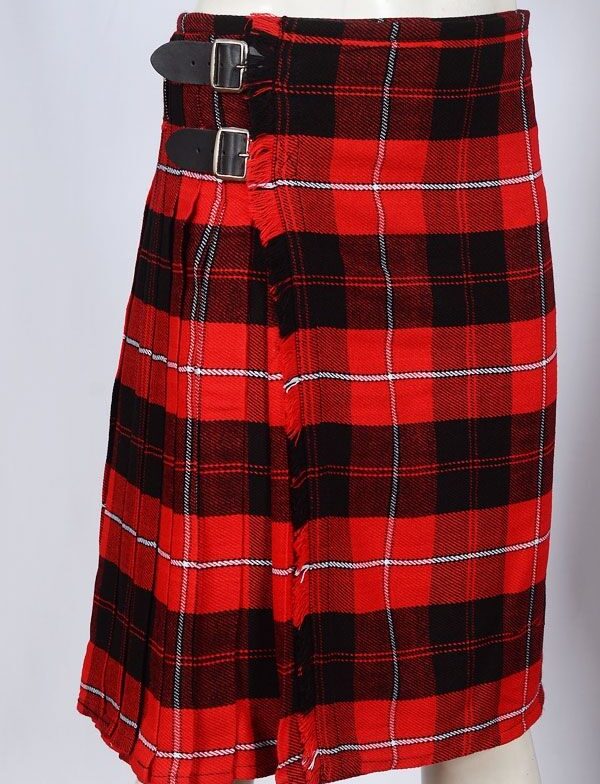
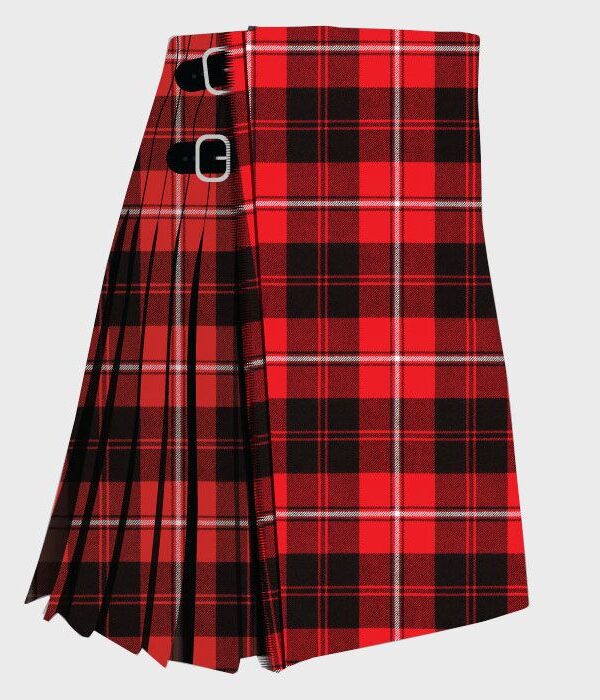
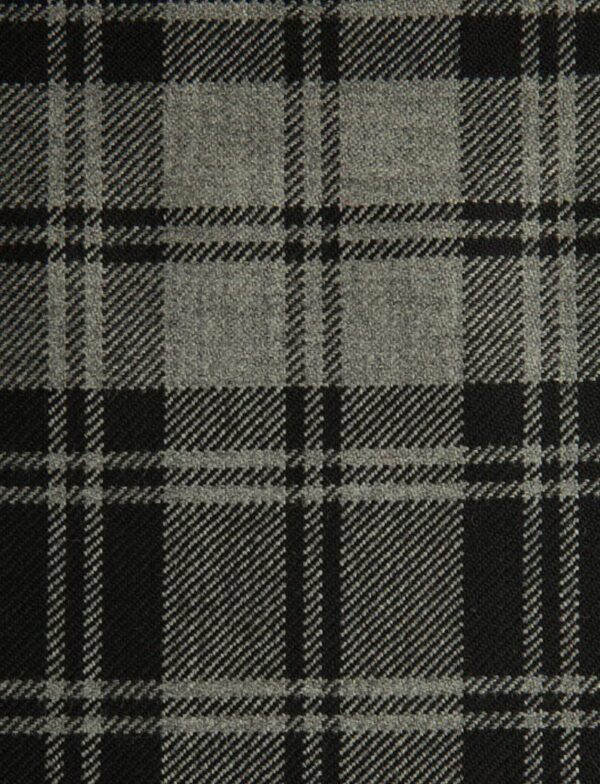
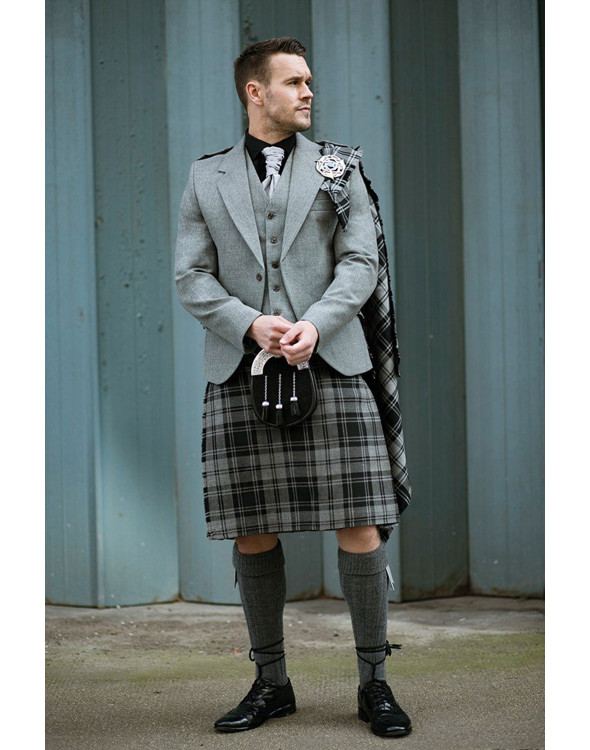
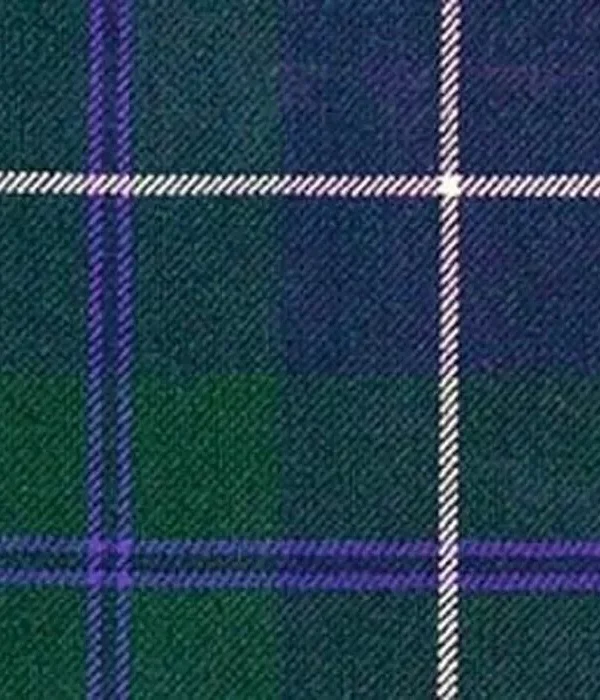
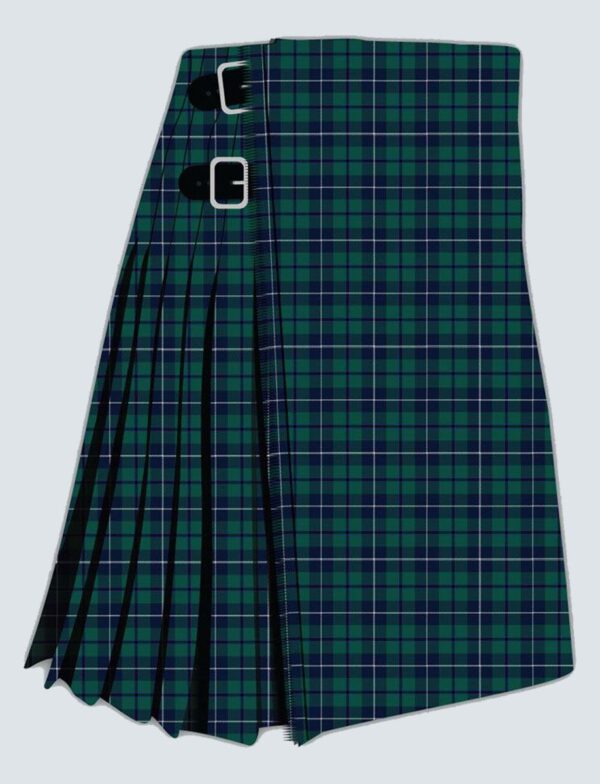
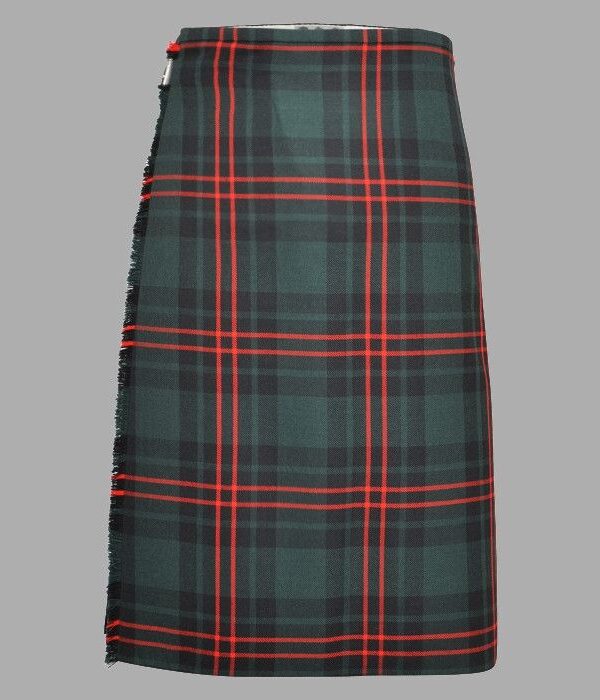
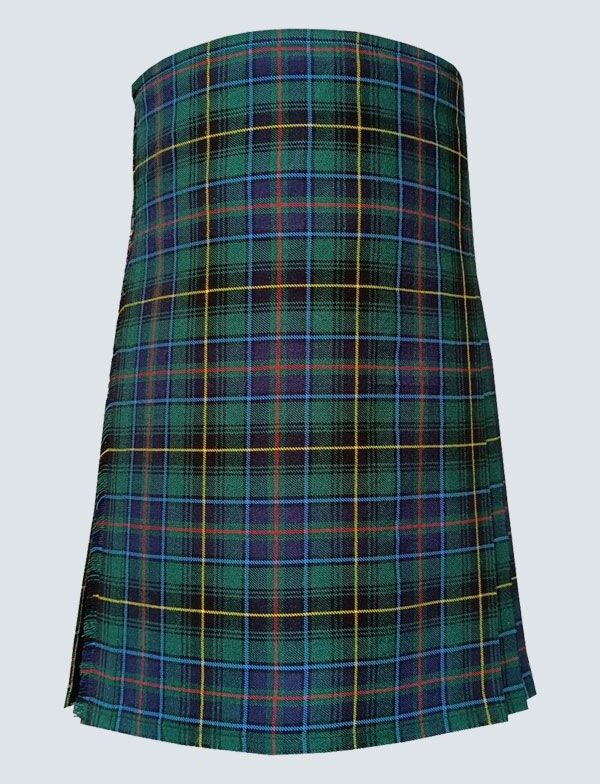
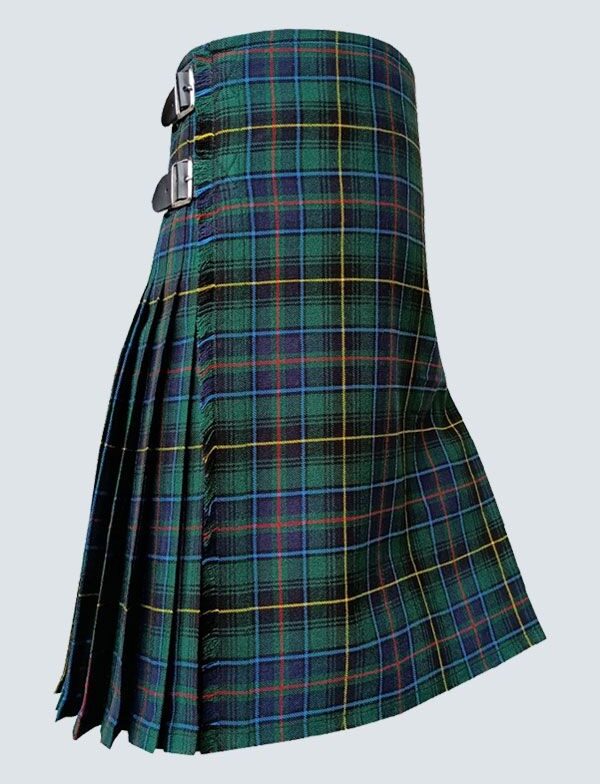
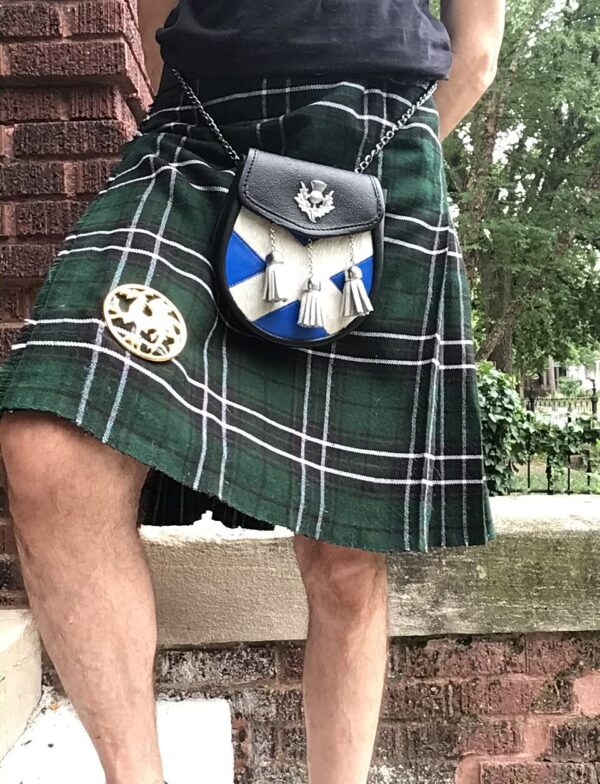
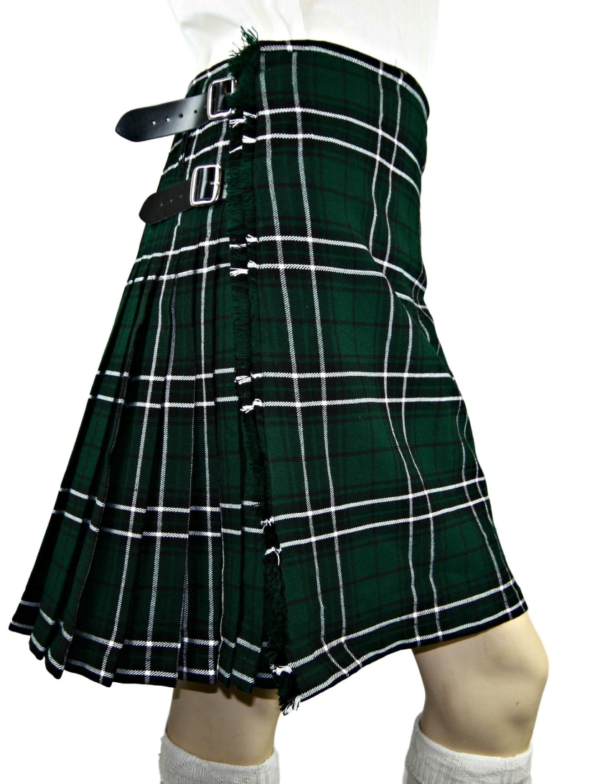
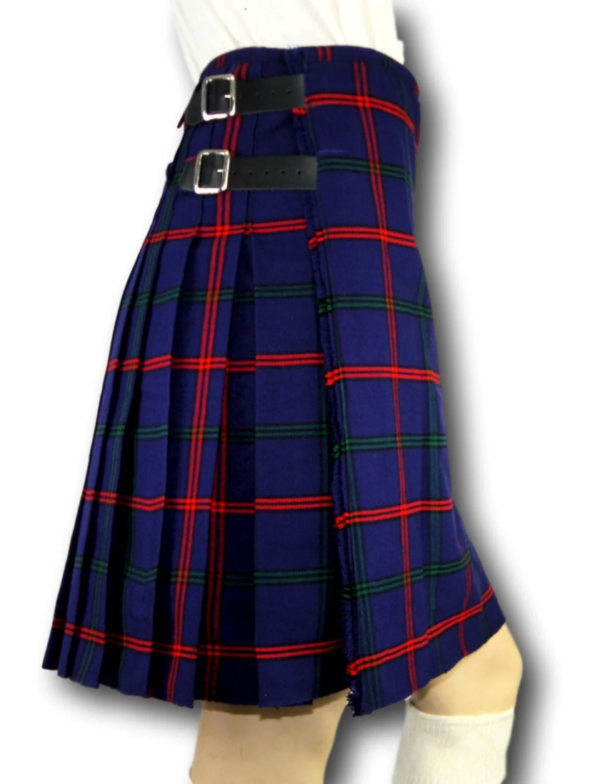
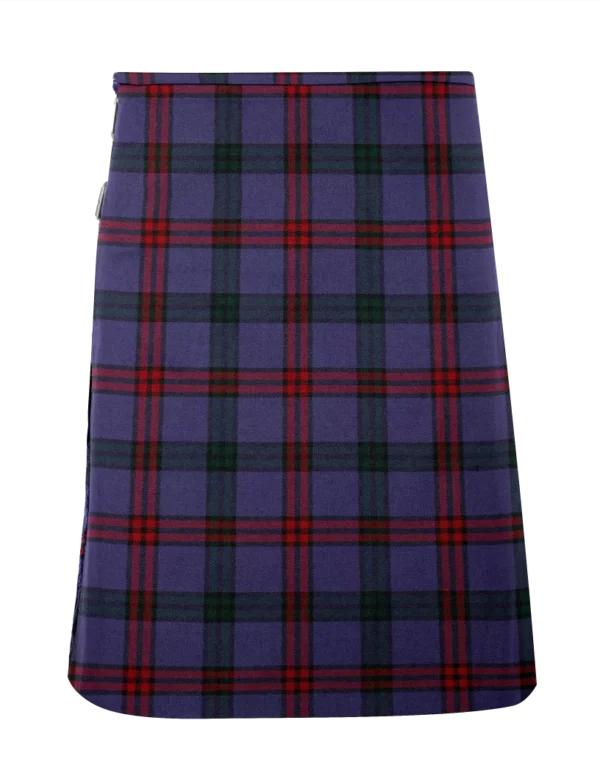
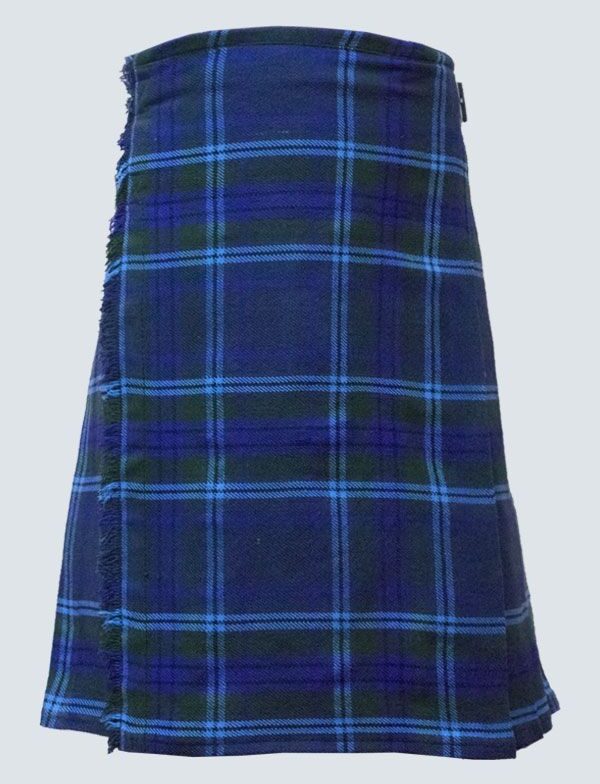
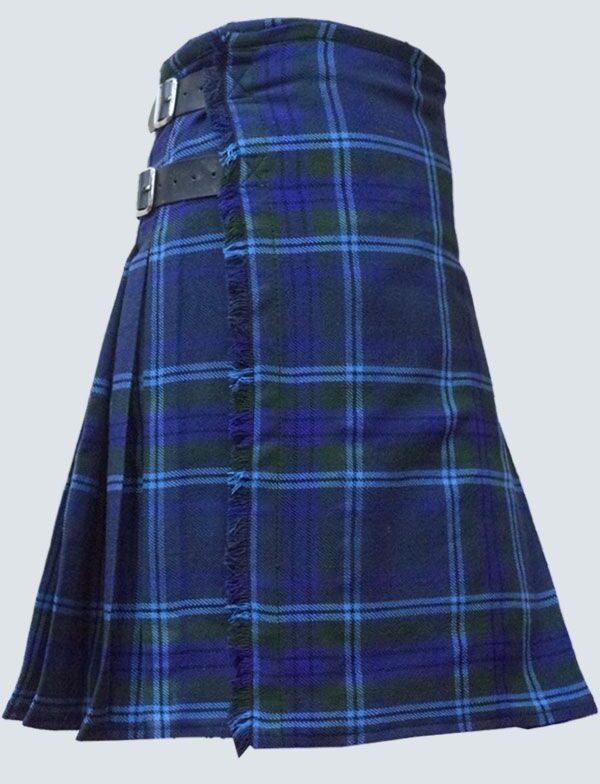
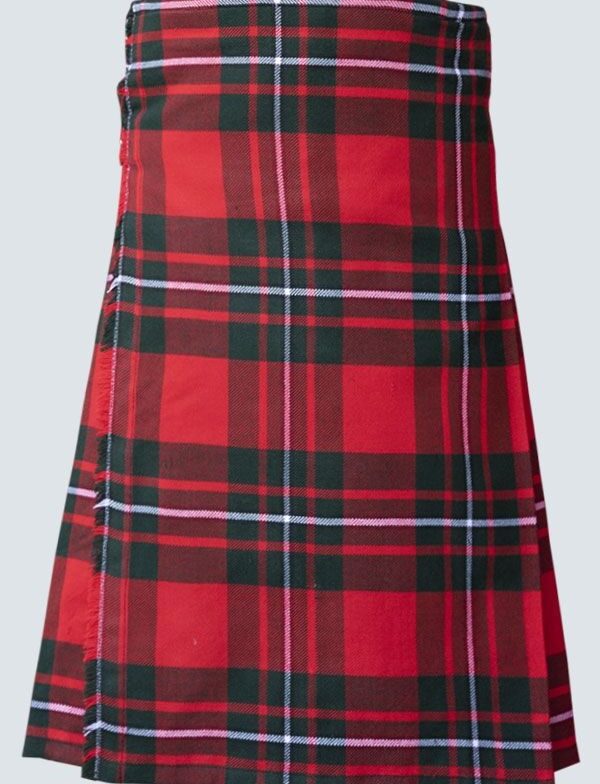
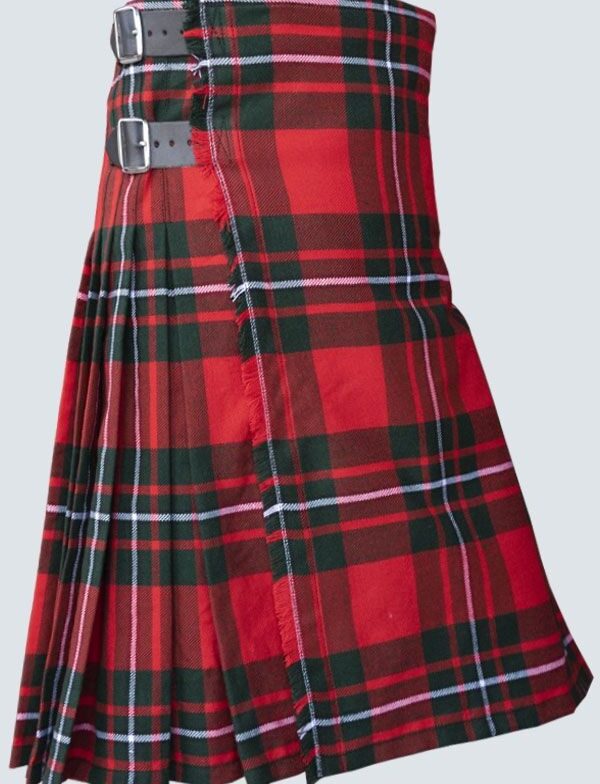
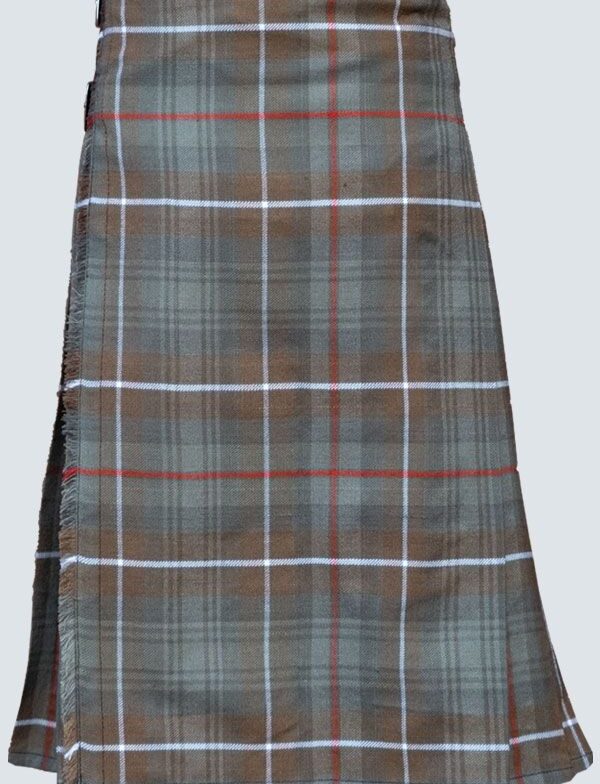
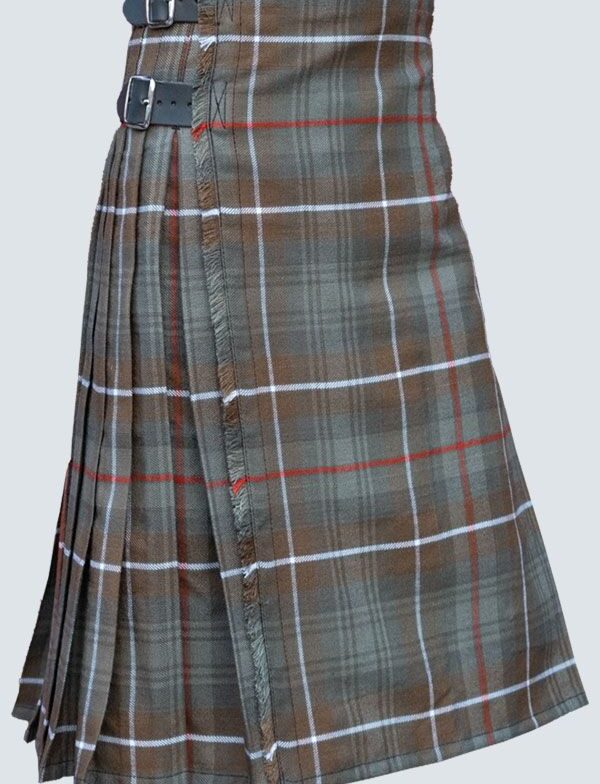
About our tartan kilts
Scottish tartan kilts, hand-basted to your measurements since 2017
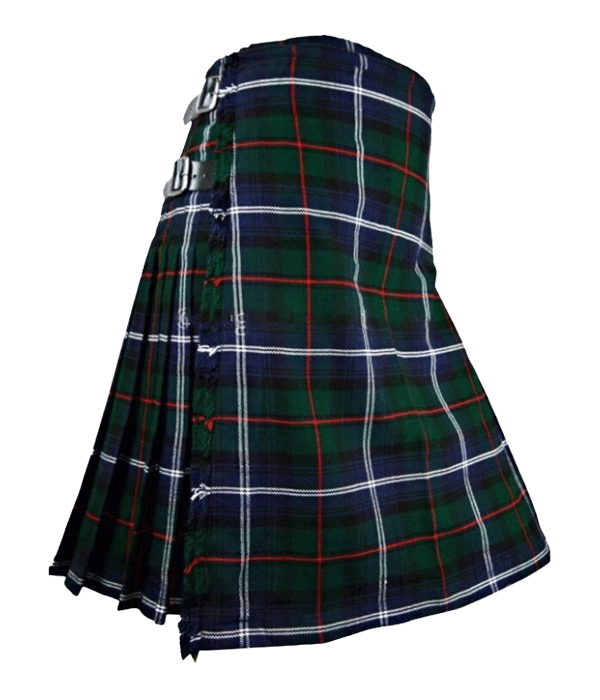
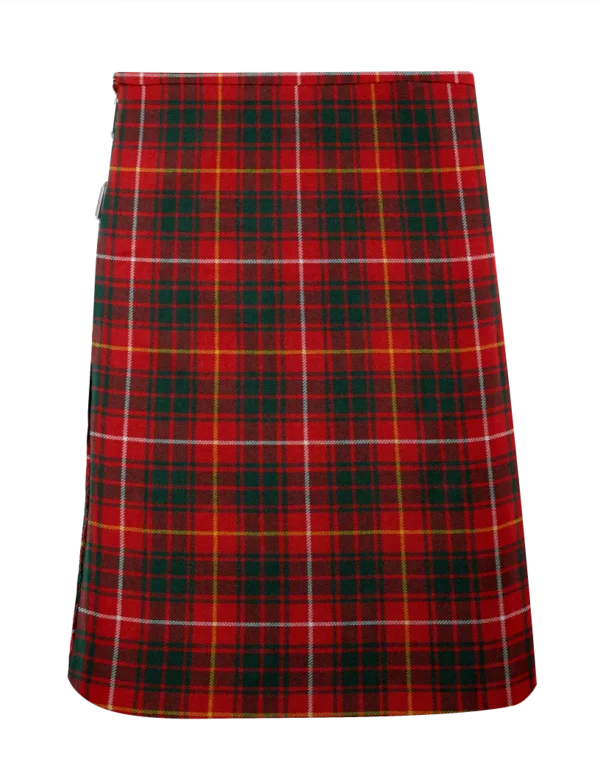
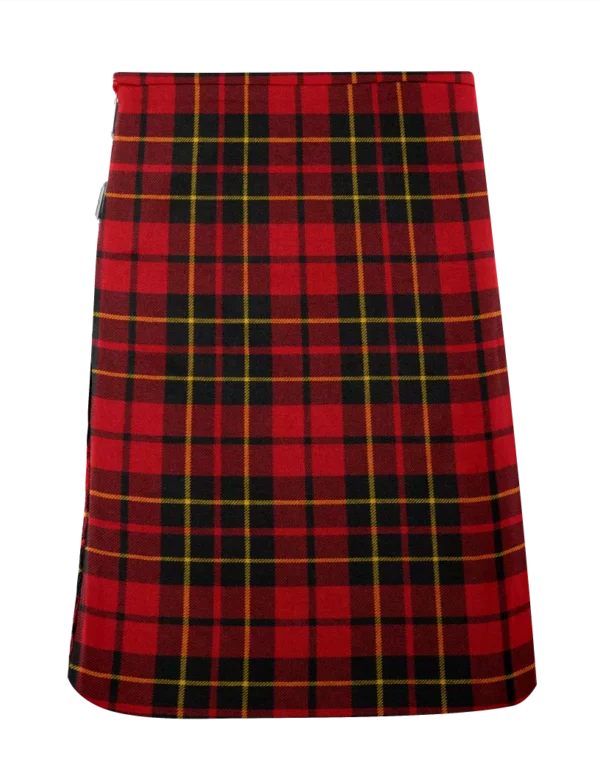
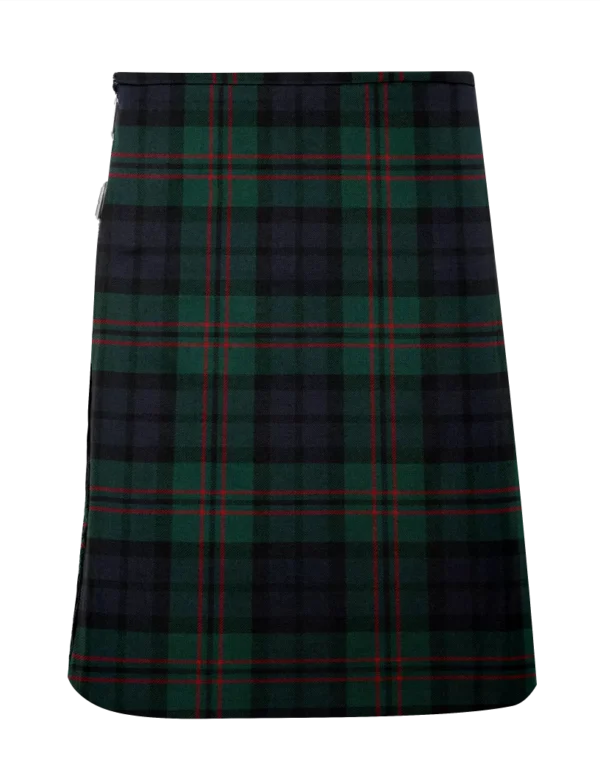
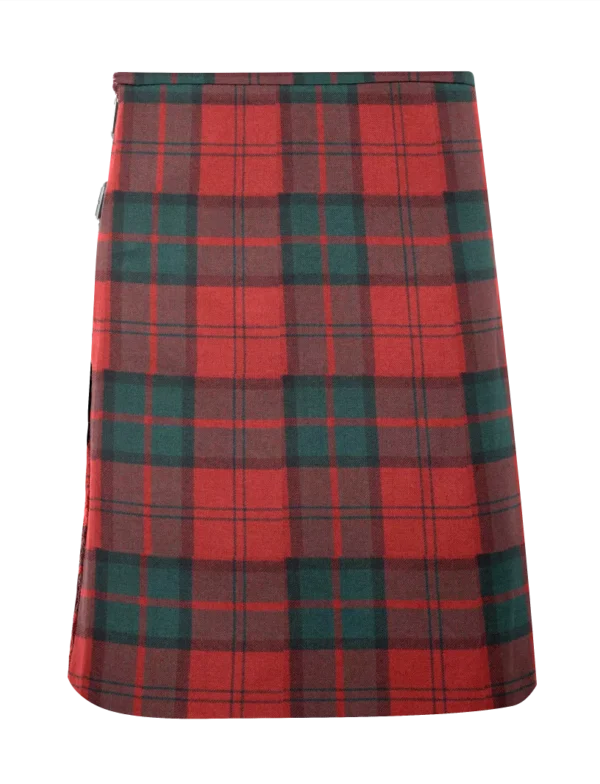
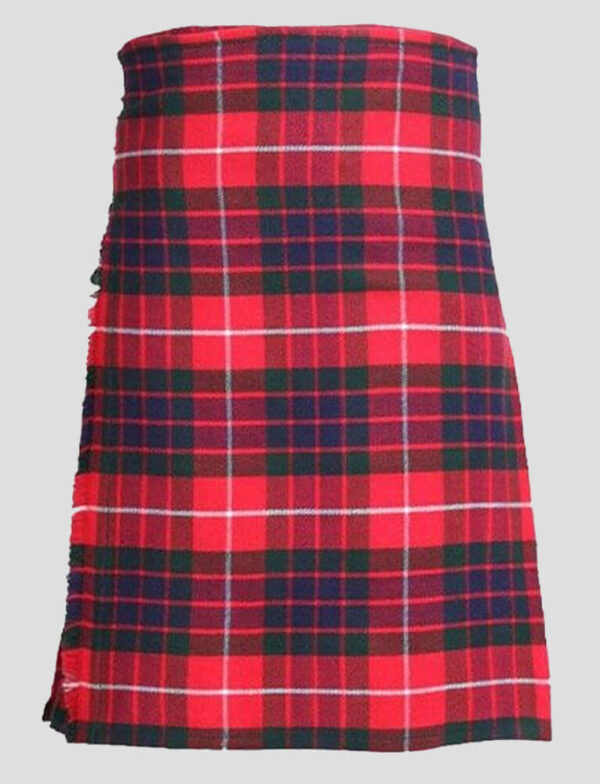
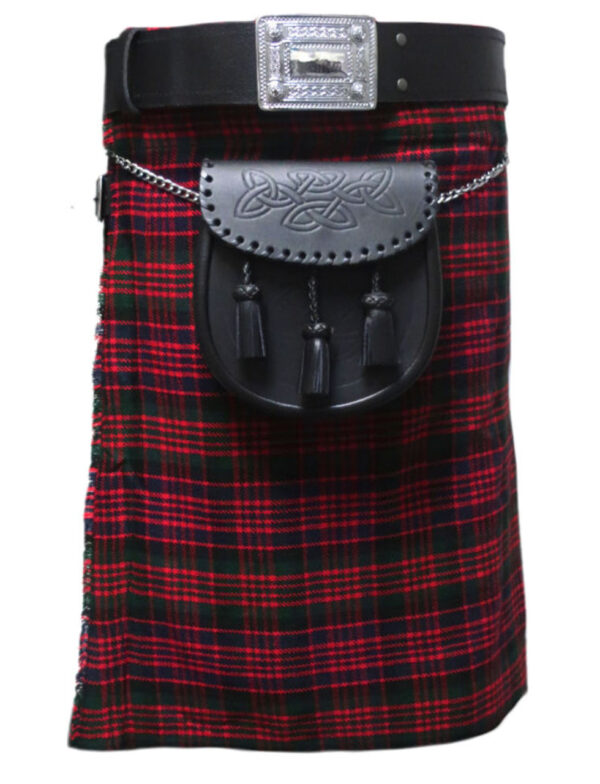
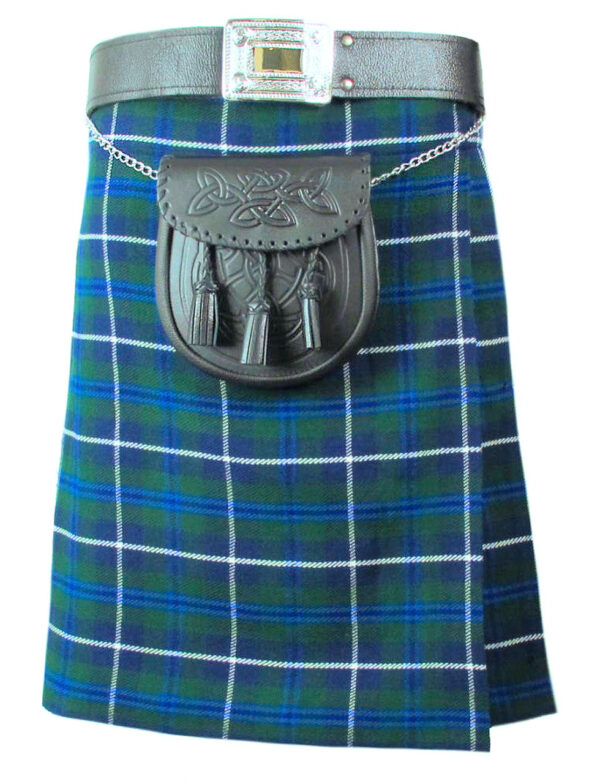
Kilt & Jacks has been making Scottish tartan kilts by hand since 2017. Every tartan kilt we ship — whether five-yard casual, six-yard versatile, eight-yard formal, or a Welsh or Irish Celtic sett — is drafted from three measurements you send us: waist at the natural waistline (not the trouser waist, which is the single most common measurement mistake), hip at the widest point, and length from waist to the middle of the kneecap. There is no factory sizing. There is no closest fit. Prices from $99 for five-yard to $129 for eight-yard, in 16oz worsted wool.
What makes a tartan kilt different
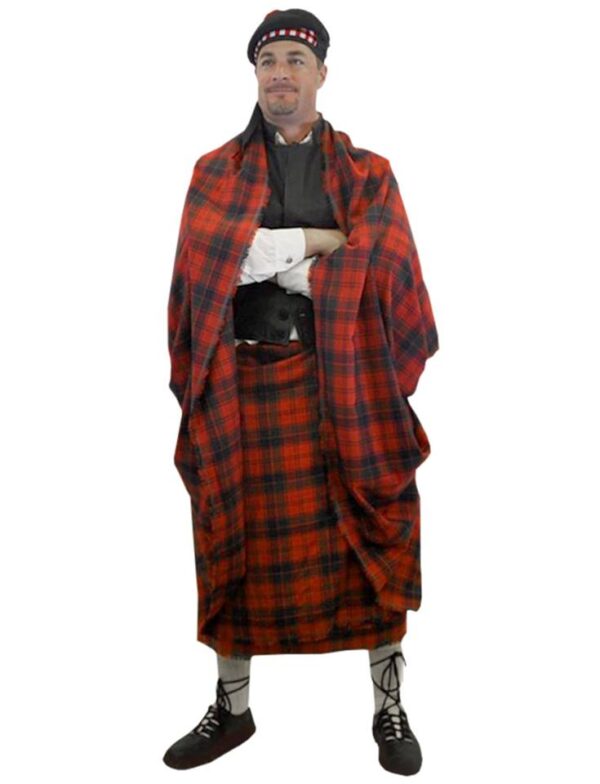
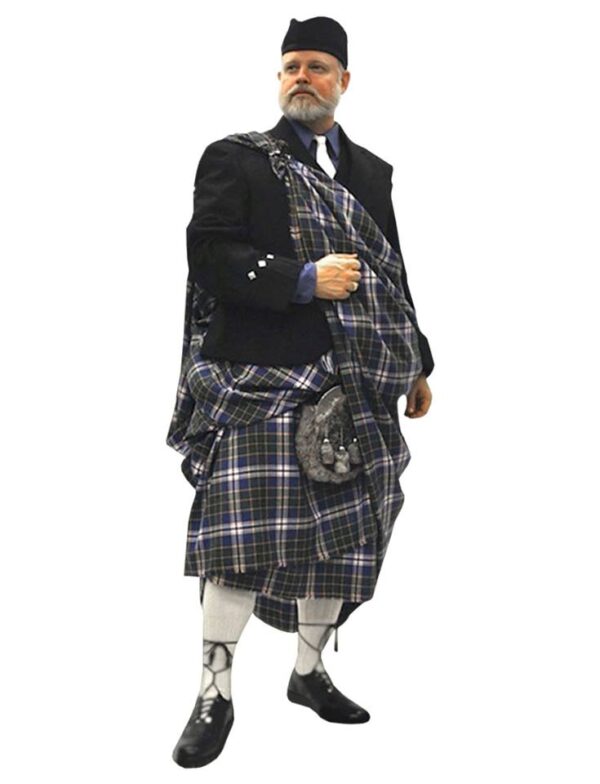
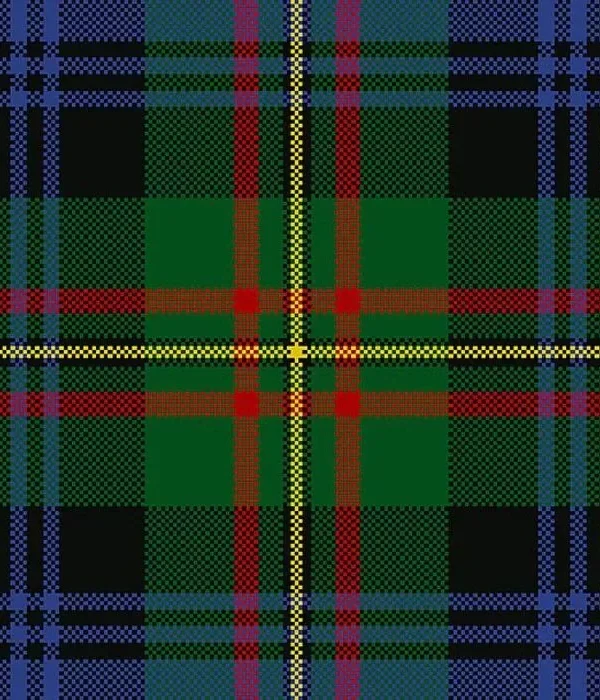
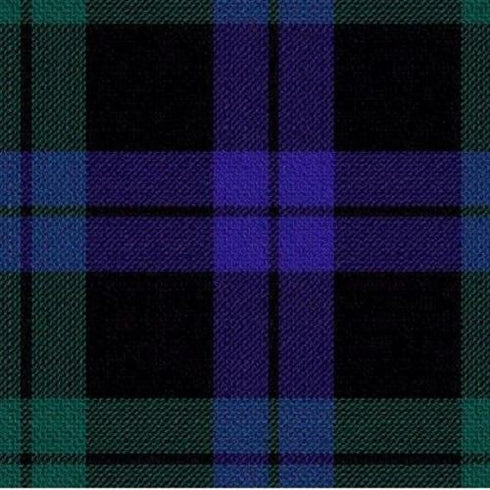
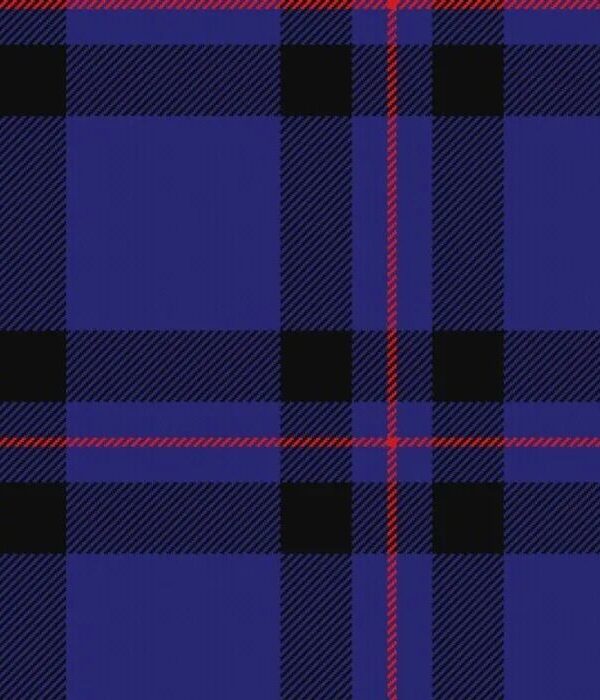
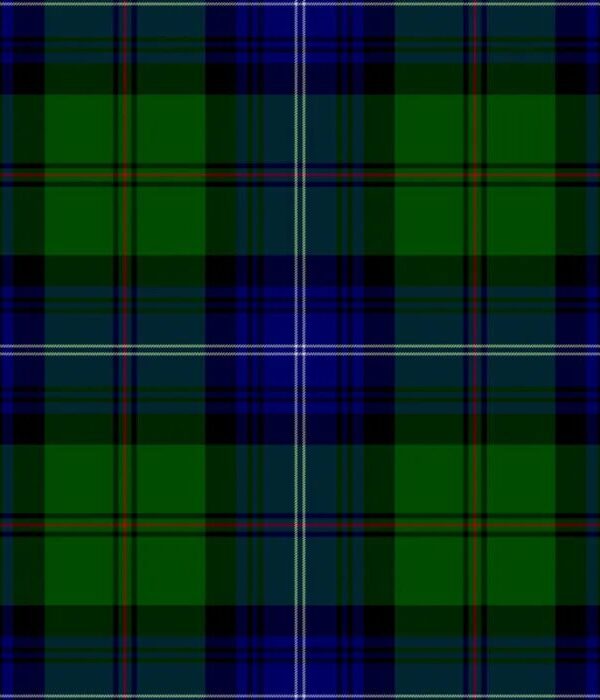
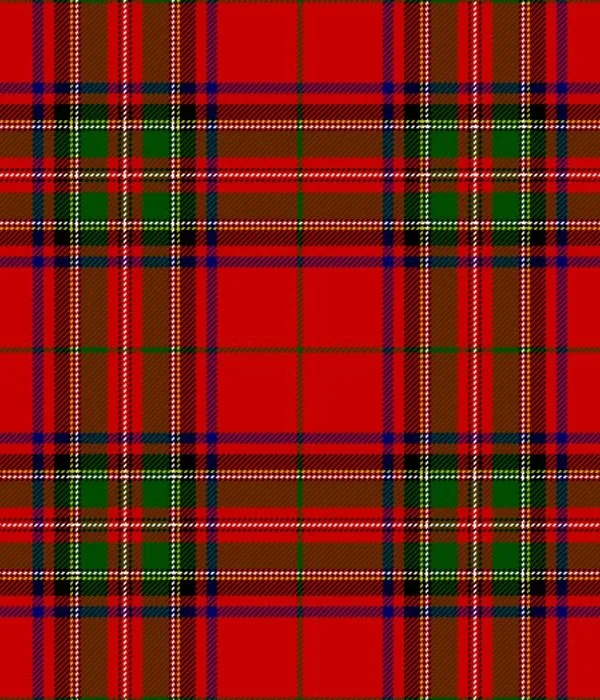
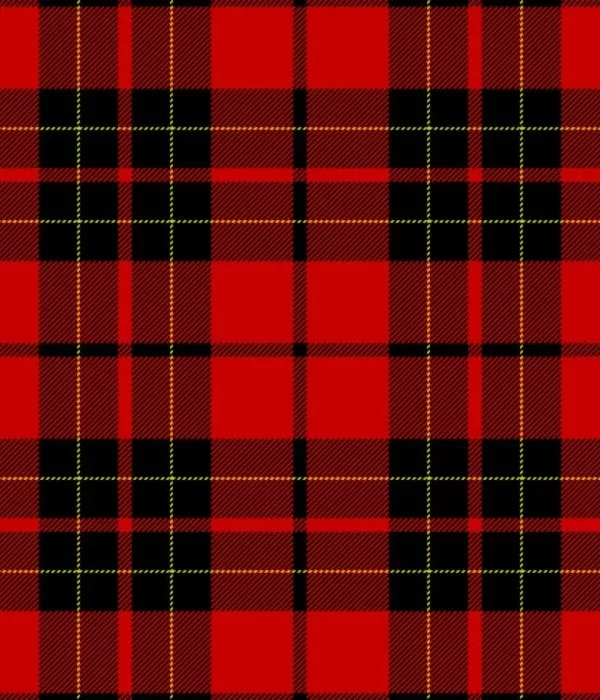
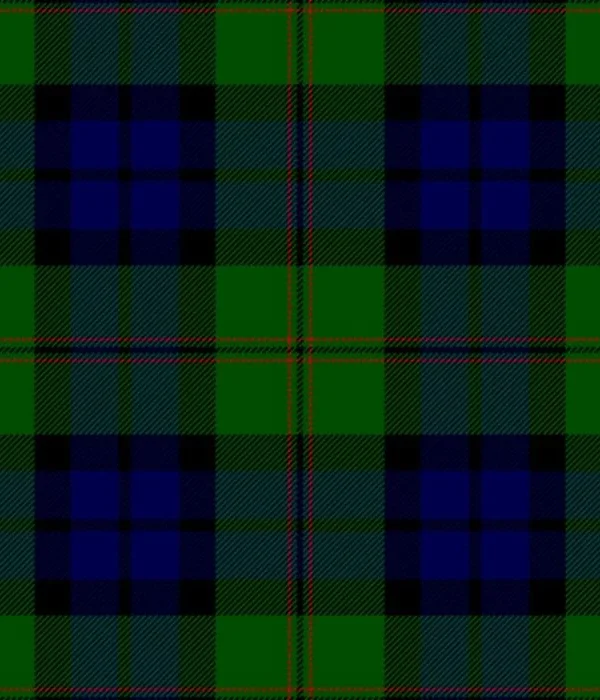
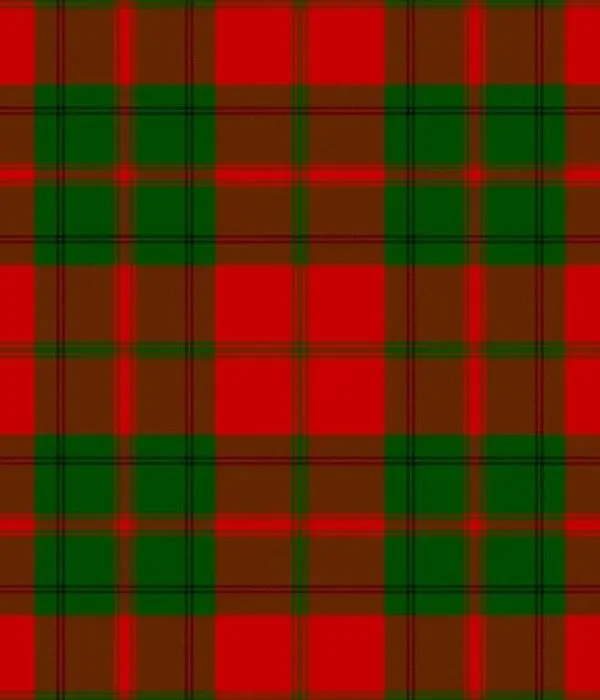
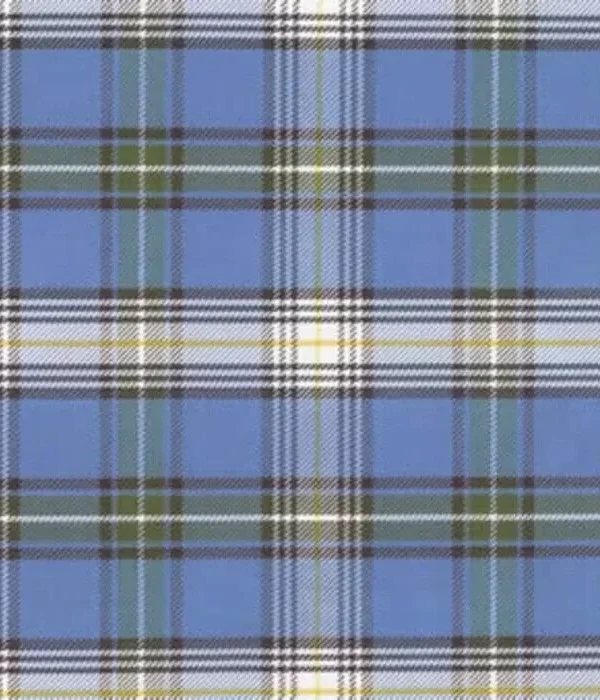
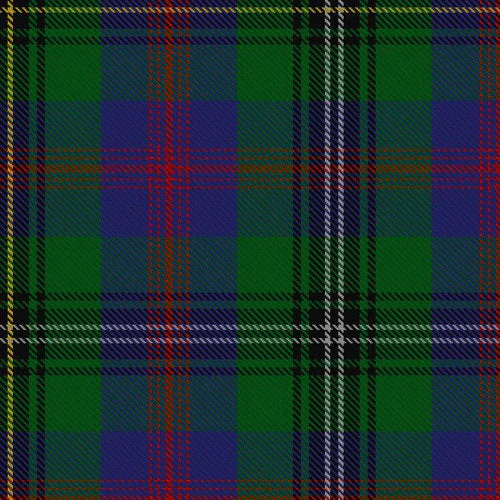
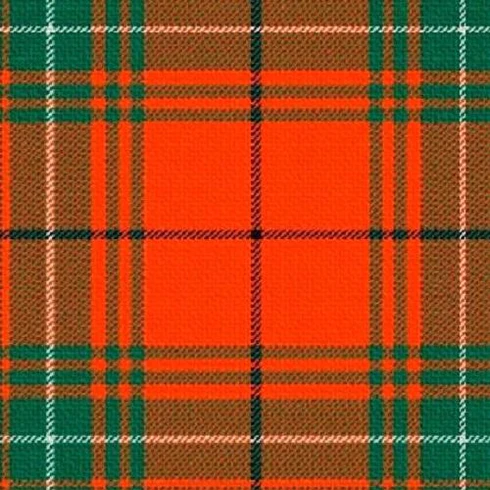
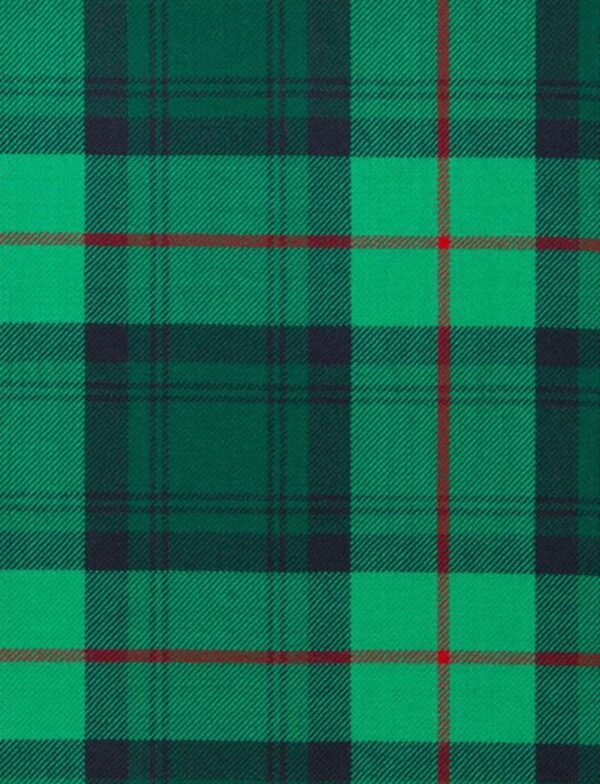
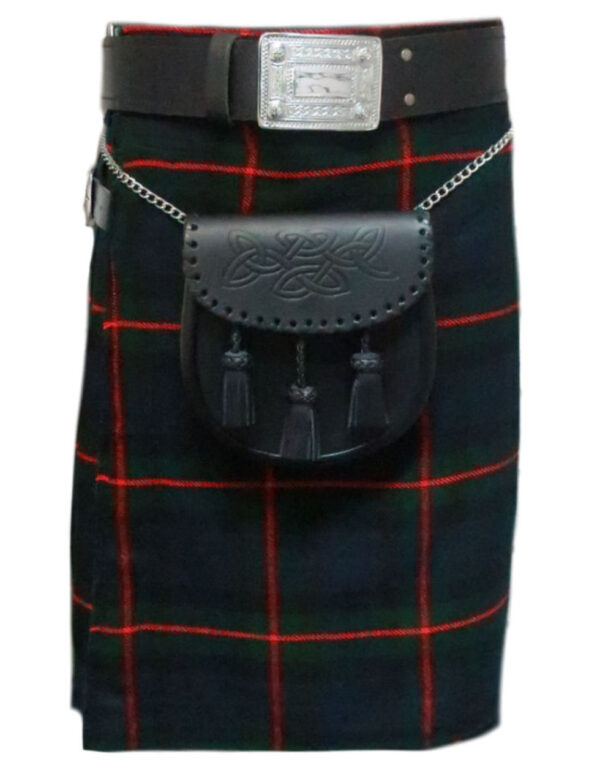
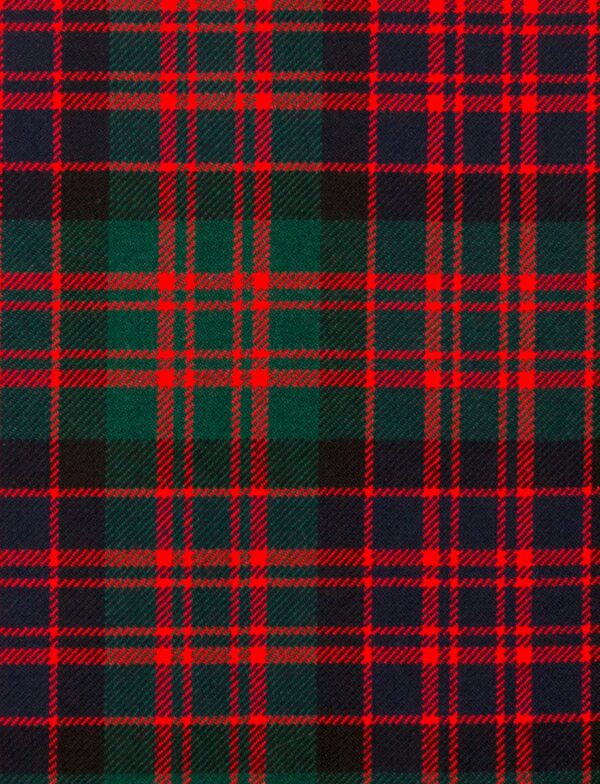
Tartan is a pattern — interlocking horizontal and vertical stripes woven into cloth to form a repeating sett. In American English the same pattern is called plaid, which is why searches for plaid kilts and tartan kilts return the same garment. In Scottish usage, "plaid" means something different (a length of tartan cloth worn draped over the shoulder — the belted plaid, historical ancestor of the modern kilt), but the American shorthand has become common online and we treat both terms as the same product.
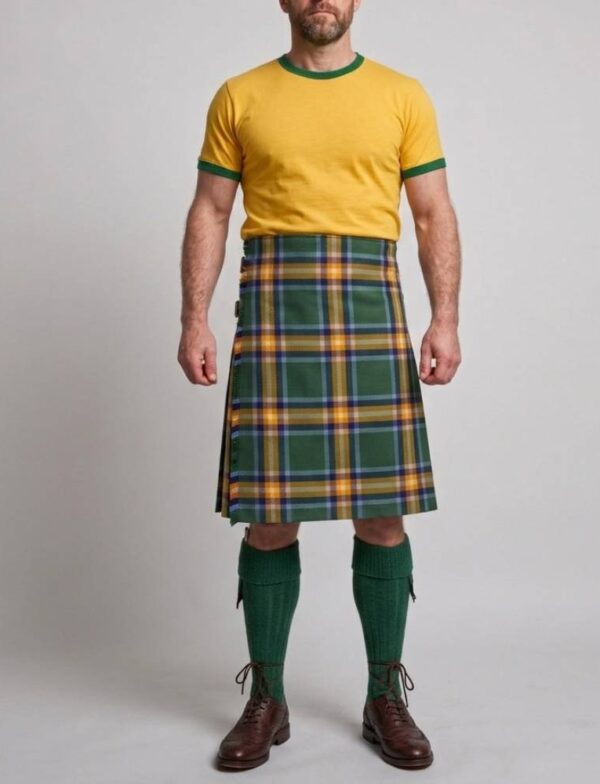
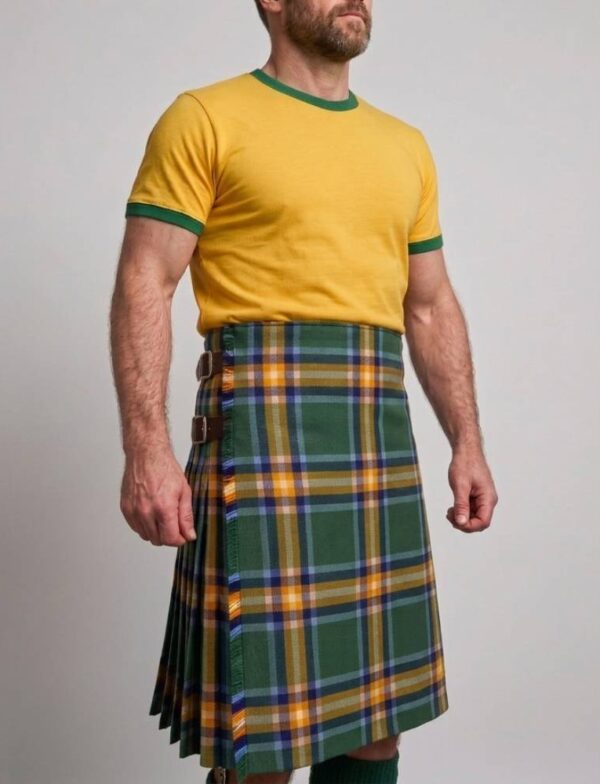
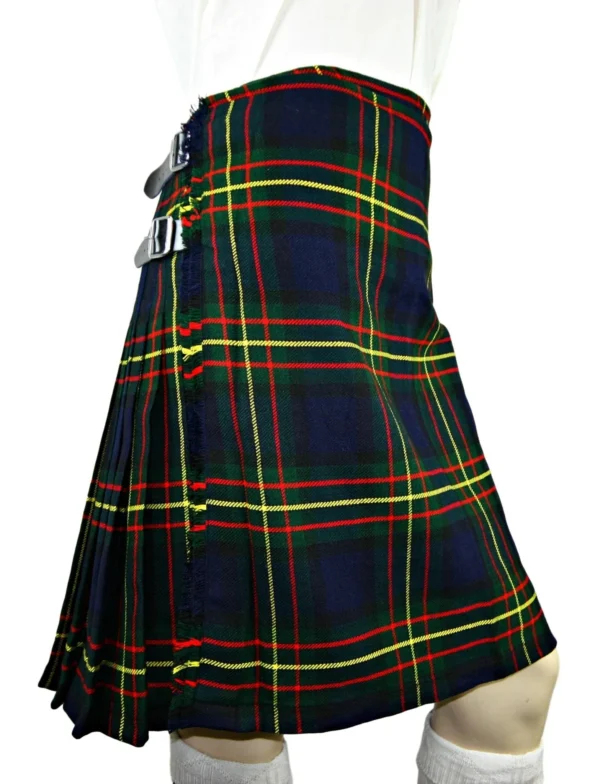
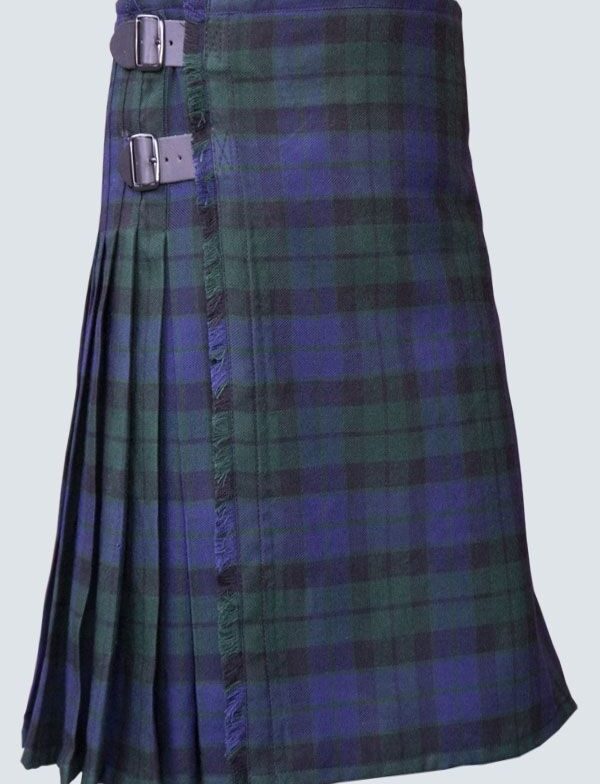
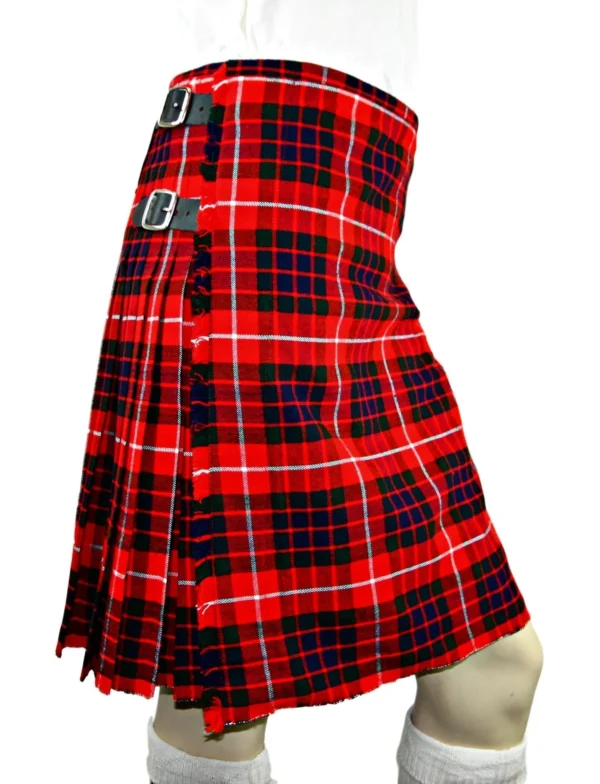
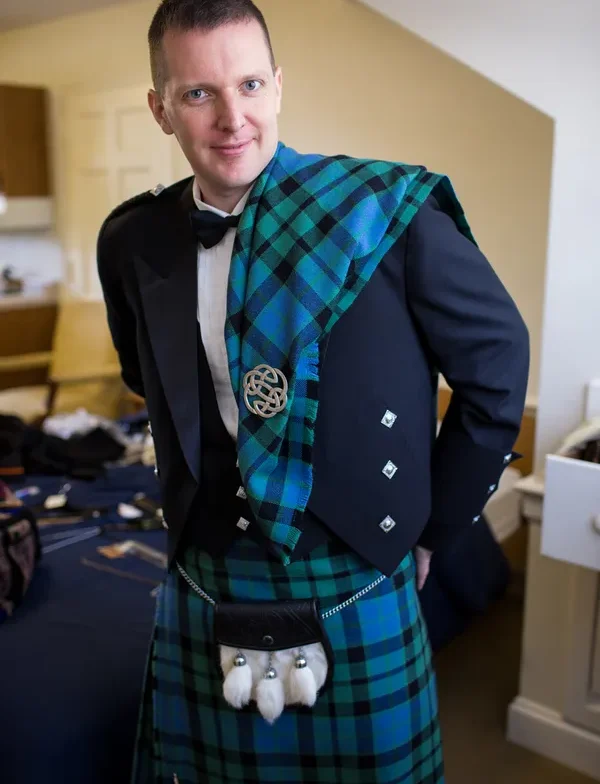
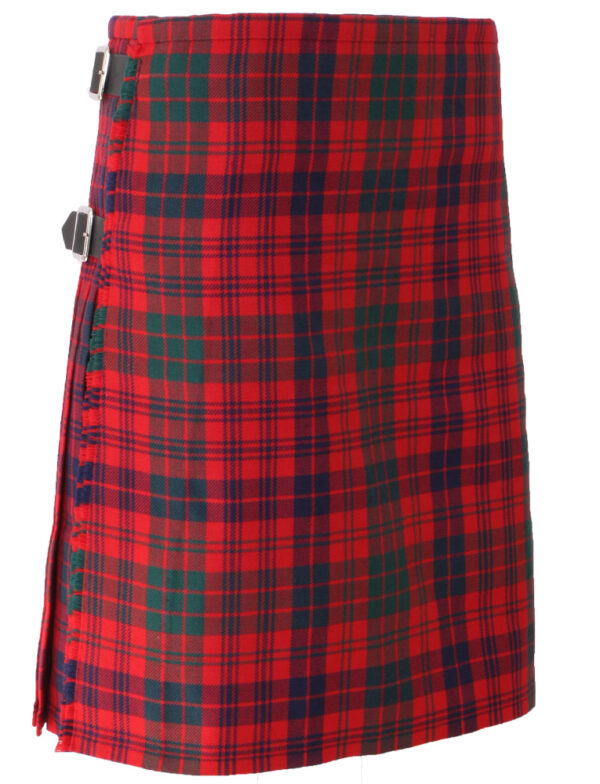
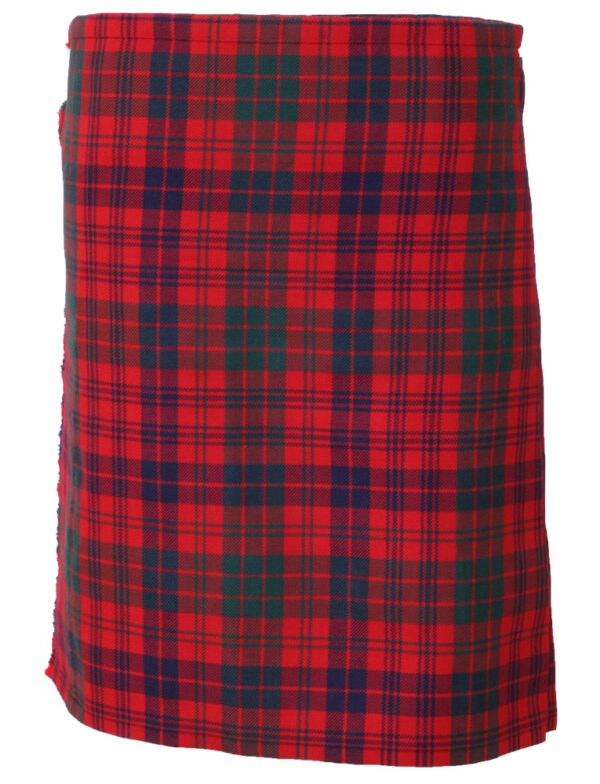
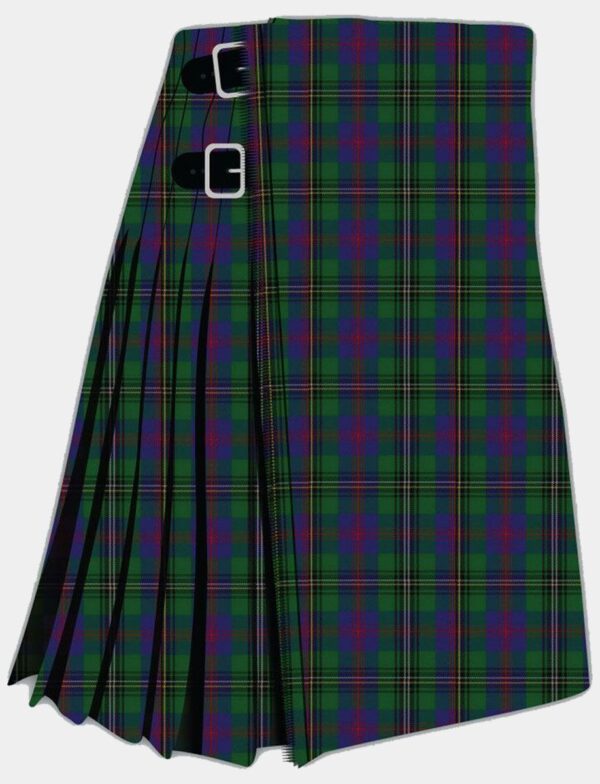
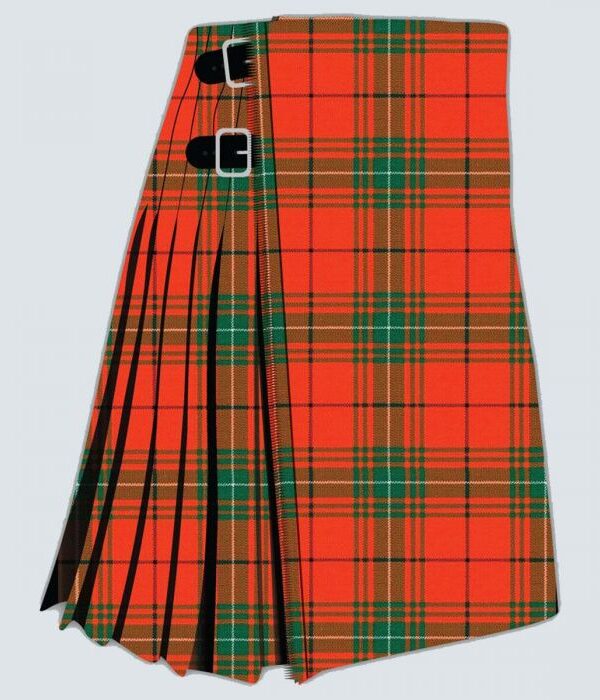
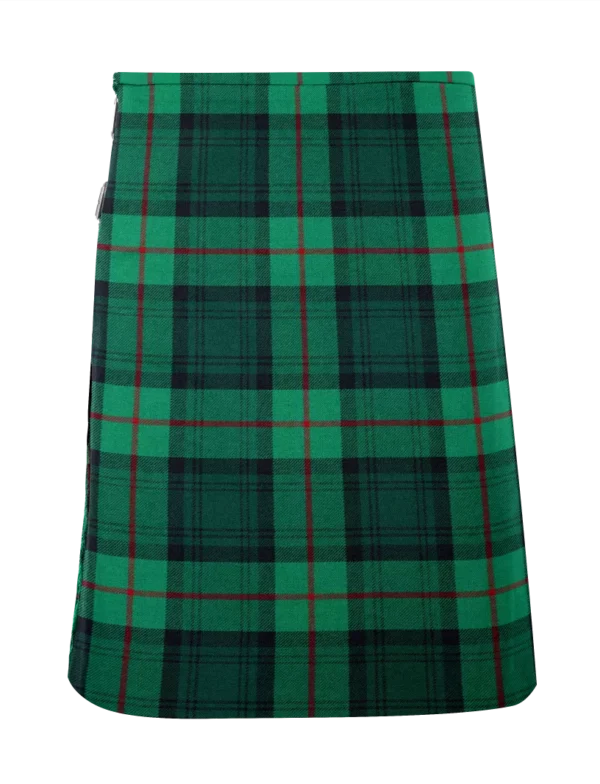
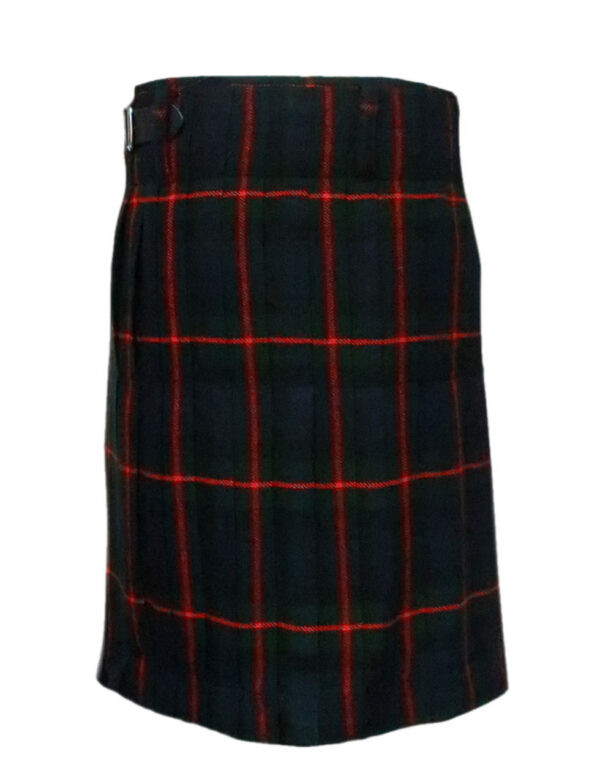
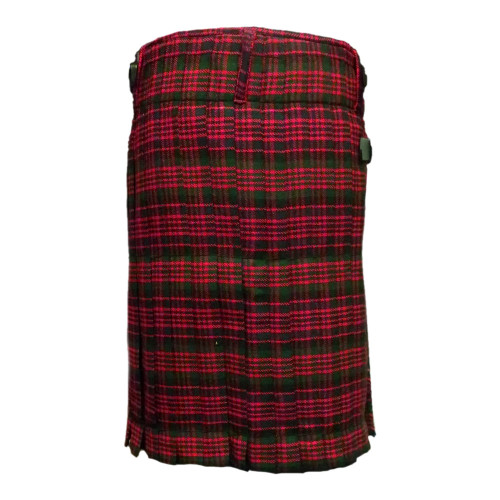
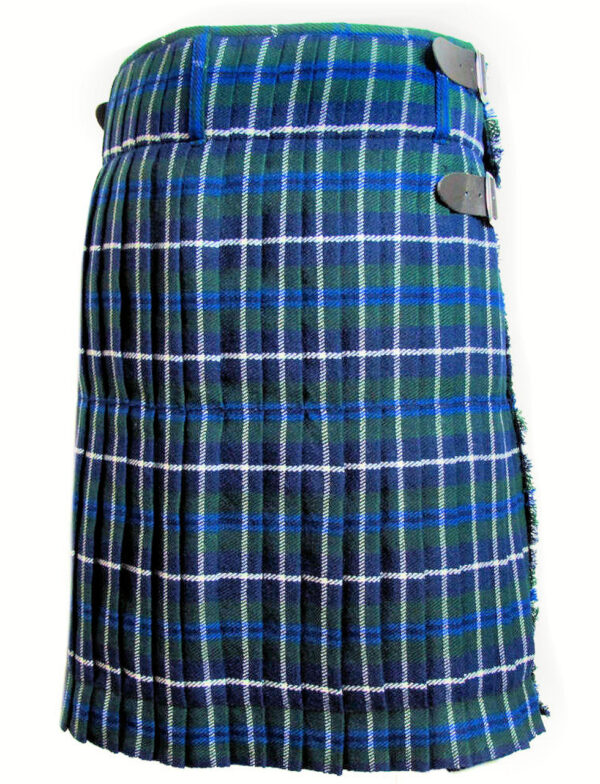
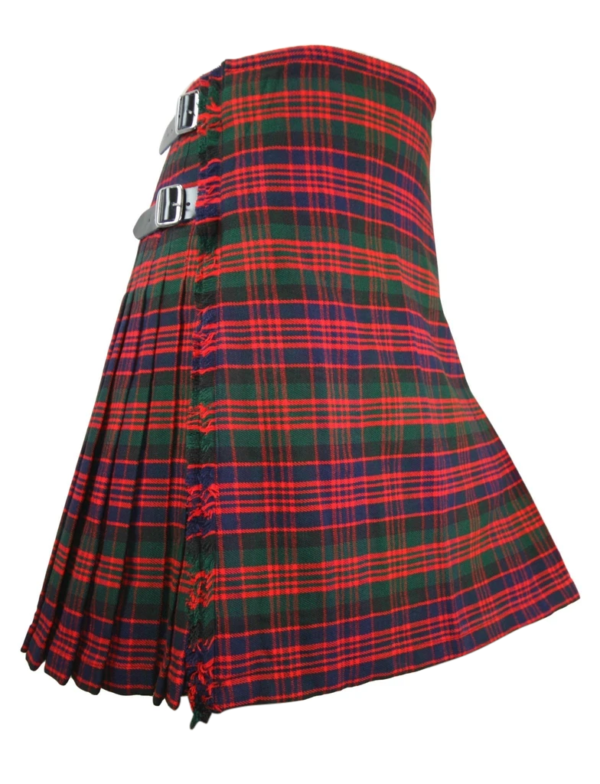
What separates a tartan kilt from a utility, leather, or camouflage kilt is pattern-matching. Because the sett repeats, the pleats must be pinned by hand so the pattern continues unbroken across the back of the kilt when viewed straight on. This is hand-basting, and it's why a good tartan kilt takes roughly twice the labour of a plain-fabric one. Get it wrong and the tartan jumps across the pleats. Get it right and the pattern flows continuously — the difference between a tartan kilt that looks made and one that looks assembled.
We work in 16oz worsted wool as our standard — the traditional weight for Highland dress. It drapes properly, breathes in warm weather, retains warmth in cold, and ages into a garment measured in decades rather than seasons. Lighter weights (10–13oz) suit warm climates; heavier weights (18–21oz) suit extreme cold and ceremonial use. Where the tartan is registered — clan, district, national, or corporate — we source cloth registered with the Scottish Register of Tartans. Setts outside the register (family patterns, custom designs, older Welsh and Irish tartans) we work with directly through our weaving partners.
The three yardages of tartan kilt
"Yardage" means the amount of cloth used to make the kilt — five, six, or eight yards. More cloth means deeper pleats and a fuller drape.
Five-yard tartan kilt. Lighter, less deeply pleated, easier to move in. Right for Highland games, ceilidhs, casual formal wear, and men buying their first kilt. From $99. The lightest carry, the most freedom of movement, and structurally the most casual of the three.
Six-yard tartan kilt. The middle option. Fuller drape than five-yard, more comfortable to wear than eight-yard. Right for semi-formal Scottish occasions, versatile wear, and men who want one kilt to cover casual and formal without owning two.
Eight-yard tartan kilt. The formal standard. Deep box pleats, proper swing, full Highland dress construction. Right for weddings, black-tie Highland events, formal ceremonies, and any occasion where "made once, worn for decades" is the brief. From $129. If you're being fitted for a wedding, this is the one.
Choosing your tartan
Tartan choice is separate from yardage. Four routes work — and none of them requires proof of ancestry.
By clan or family. If you have Scottish, Irish, or Welsh family, you can wear your clan or family tartan. The Scottish Register of Tartans holds the official record for Scottish setts; the Welsh and Irish equivalents cover their respective national and county patterns. Most surnames map to at least one tartan — if you don't know yours, ask us or search the register directly.
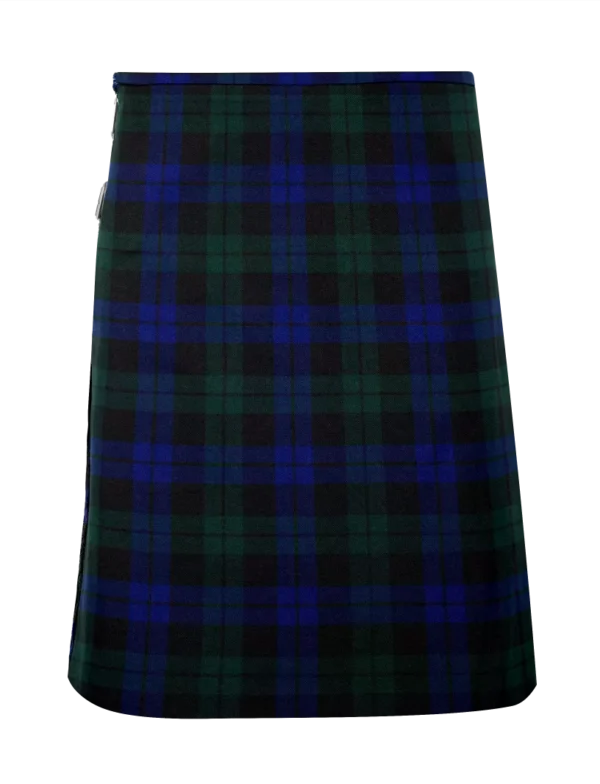
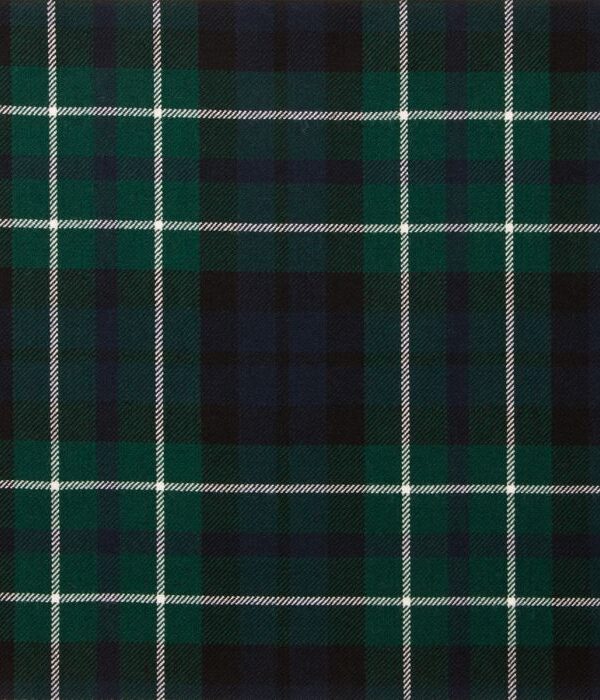
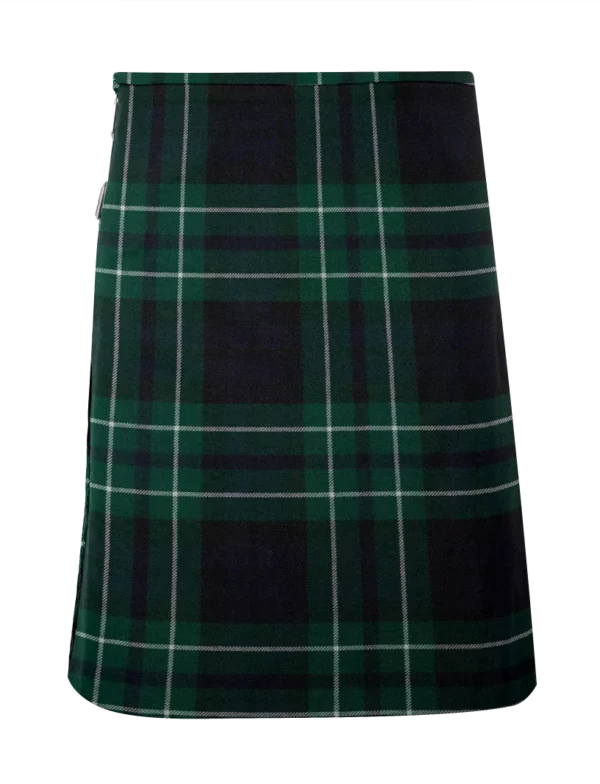
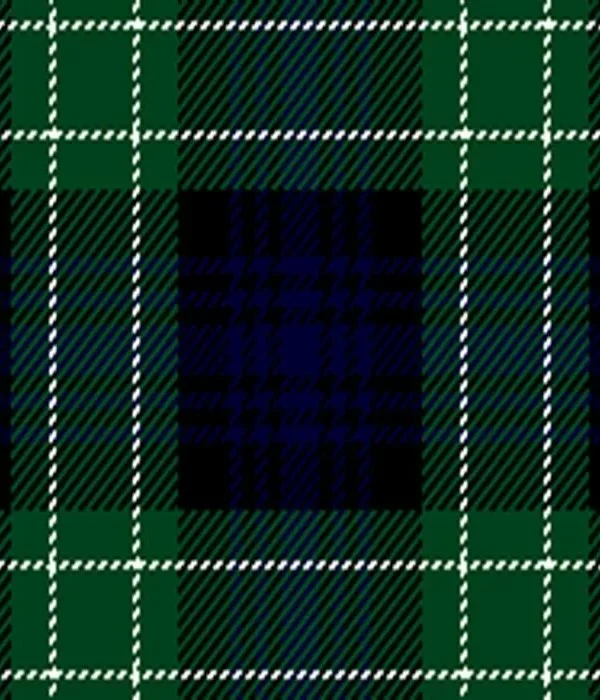
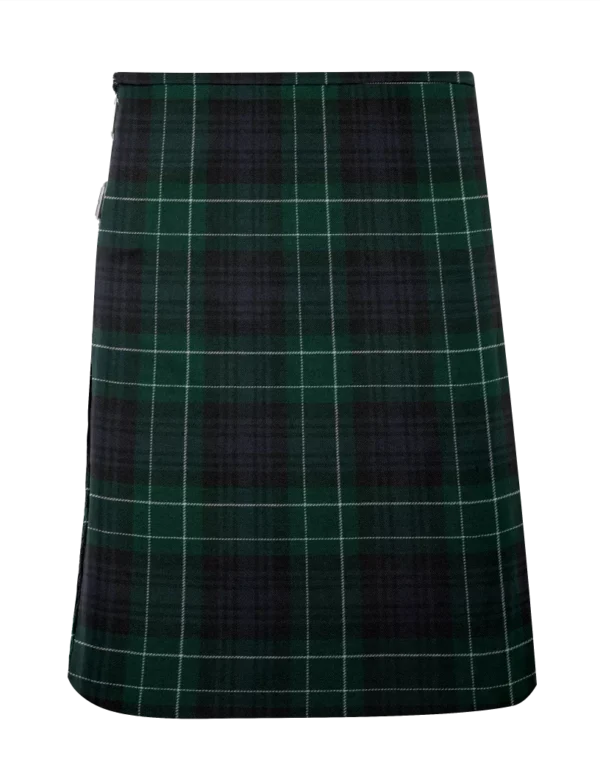
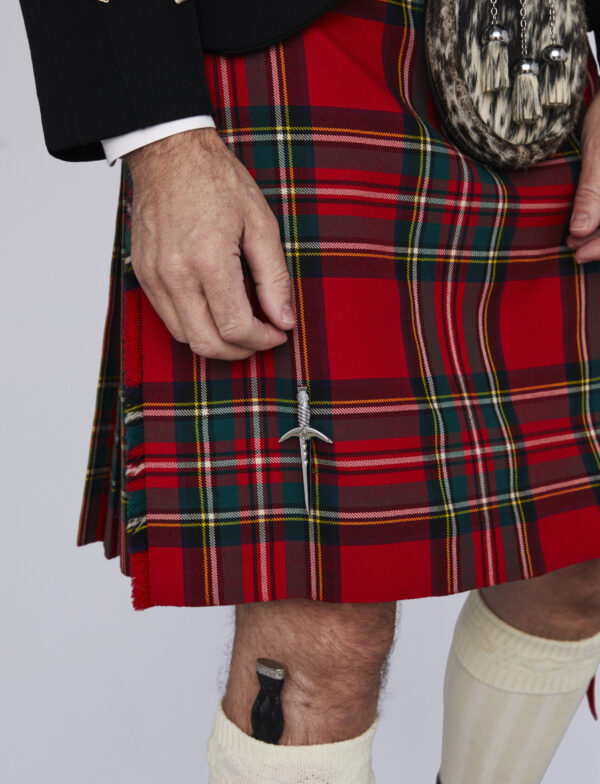
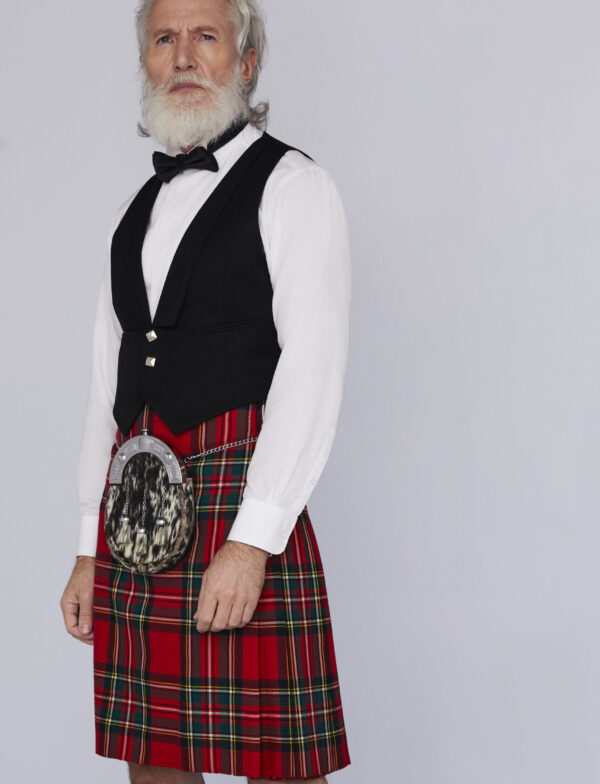
By universal tartan. Some setts are open to anyone regardless of background: Black Watch (dark green and blue), Royal Stewart (bright red), Flower of Scotland, Isle of Skye, and Caledonia. These are the correct choice if you have no ancestral connection or if you're buying for a non-Scottish event.
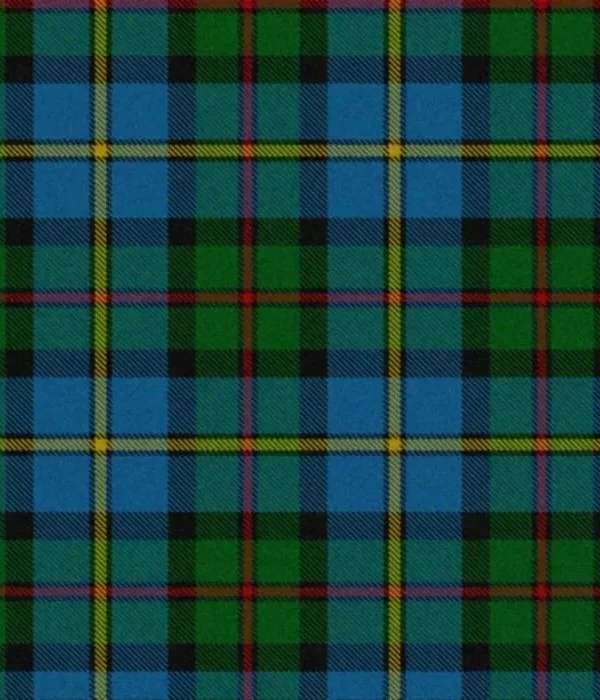
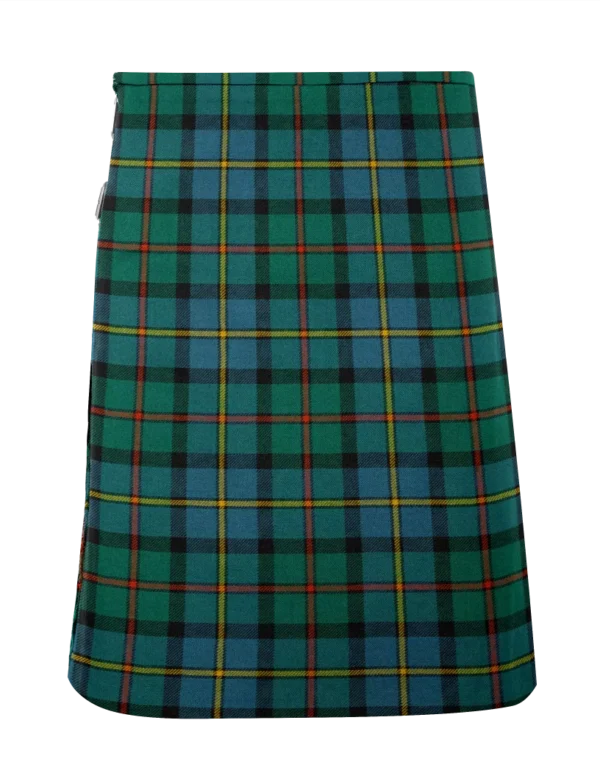
By Welsh, Irish, or Celtic tartan. Welsh national and district tartans exist (St. David's, Welsh National, and county-specific setts). Irish county tartans cover the thirty-two counties — Cork, Galway, Kerry, Dublin, and the rest — mostly registered in the twentieth century. Together with Scottish setts these form what is commonly marketed as Celtic kilts, though the term is used more commercially than academically.
By preference. Modern practice accepts wearing any tartan you like, particularly outside formal Highland events. If you're buying for a wedding or clan ceremony, check with the host or family first. Otherwise, choose the sett that suits you.
Not sure which tartan is yours? Message us with the surname and we'll research it before you commit.
Every tartan kilt ships in ten working days, is cut and hand-basted at our workshop, and is guaranteed to fit the measurements you sent us. If it doesn't, we remake it. See our returns policy for full terms. Tartan is one of five kilt styles we make — see the wider men's kilts collection if you're comparing against leather, utility, or hybrid styles.
5,000+Tartans woven
to order
to order
10 daysReady for
your day
your day
16oz worstedHand-basted
Wool Blend
Wool Blend
Free remakeIf the fit isn't
perfect
perfect
Frequently asked
Questions before ordering
What is the difference between a kilt and a tartan?
A kilt is the garment; a tartan is the pattern of interlocking horizontal and vertical stripes woven into cloth. You can have a kilt made from fabrics that aren't tartan — leather, canvas, denim, camouflage — and you can find tartan in items that aren't kilts, from scarves and ties to blankets and skirts. Most Scottish and Celtic kilts are made from tartan, which is why the two words get used interchangeably in conversation, but they aren't the same thing. Asking for a "tartan kilt" specifies both — the garment and the fabric.
What do Americans call tartan?
Plaid. In American English, "plaid" describes the pattern that Scots and the British call "tartan." In Scottish usage, "plaid" means something different — a length of tartan cloth worn draped over the shoulder as part of traditional Highland dress (as in the "belted plaid," the historical ancestor of the modern kilt). So when Americans search for plaid kilts, they usually mean what Scots call tartan kilts. Both terms are correct in their own context, and we treat searches for either as the same product.
Are tartans still illegal in Scotland?
No. Tartans are fully legal and have been since 1782. The confusion comes from the Dress Act of 1746, passed by the British Parliament after the Jacobite defeat at Culloden, which banned civilian Highland dress — including tartan and the kilt — with the Highland regiments as the only permitted exception. The ban lasted thirty-six years and was repealed in 1782. Since then, tartan has been not just legal but a defining symbol of Scottish national identity, formally recorded by the Scottish Register of Tartans.
Why does Prince William refuse to wear a kilt?
He hasn't refused — the framing is misleading. Prince William has been photographed in kilts and tartan at Scottish events, though less often than his father King Charles III, who has worn kilts throughout his adult life and continues to. Public speculation attributes William's less frequent kilt-wearing to personal preference rather than any official position, and no statement of refusal has ever been made. He has been seen in tartan trews (trousers cut from tartan cloth, the semi-formal alternative to a kilt) as well as full Highland dress on occasion.
Do Scottish men wear underwear under their kilts?
Traditionally, no — the phrase "going regimental" comes from the Highland regiments, where underwear was not worn under the kilt as a matter of military tradition. Modern practice varies. Most Scottish men today wear underwear under their kilts for weddings, formal events, and everyday wear, for reasons of comfort, hygiene, and warmth. Highland military regiments historically kept the tradition; civilian wearers today generally do not. There is no rule either way — it is a personal choice, and no one at a wedding is checking.
What do the Irish call a kilt?
A kilt — the word is the same in Ireland. What differs is the traditional garment itself. The historical Irish kilt is usually solid saffron in colour (often called a saffron kilt), rooted in Irish military and cultural dress rather than the tartan setts associated with Scotland. Irish county tartans do exist — Cork, Galway, Kerry, Dublin, and the other twenty-eight counties — but they are largely twentieth-century additions rather than centuries-old traditions. Léine (pronounced "lay-nah"), the long tunic, is a related but separate historical Irish garment.
How do I choose a tartan for myself?
Three routes work. First, by clan or family — if you have Scottish, Irish, or Welsh ancestry, you can wear your clan or family tartan, and the Scottish Register of Tartans holds the official record. Second, by universal tartan — Black Watch, Royal Stewart, Flower of Scotland, Isle of Skye, and Caledonia are open to anyone regardless of background. Third, by preference — modern practice accepts wearing any tartan you like, particularly outside formal Highland events. If you're buying for a wedding or clan ceremony, check with the host or family first. Otherwise, choose the sett that suits you. Message us if you'd like help researching a specific surname.