BLACK FRIDAY IS HERE! ✦ 20% OFF EVERYTHING · Shop the Sale →
About our corsets
Corsets in made-to-measure construction, since 2017
Kilt and Jacks has been making corsets by hand since 2017. Every corset we ship — whether an underbust corset for waist training or fashion layering, an overbust corset for Victorian formal or bridal register, or a waspie for fashion accent styling — is drafted from your specific measurements and cut and stitched by hand at our workshop under Master Tailor Kristy McMillan. Corset construction throughout: appropriate boning specification (steel-boned for serious wear and waist training, standard construction for lighter fashion contexts), proper busk closure at the front, lacing at the back for adjustment, coutil interlining where the construction calls for it, and lining fabric that suits both comfort against the skin and long-term durability.
The three constructions we make
Corset construction determines what the corset can actually do and how it sits on your body. We make three distinct constructions, each suited to specific buyer intent and styling context.
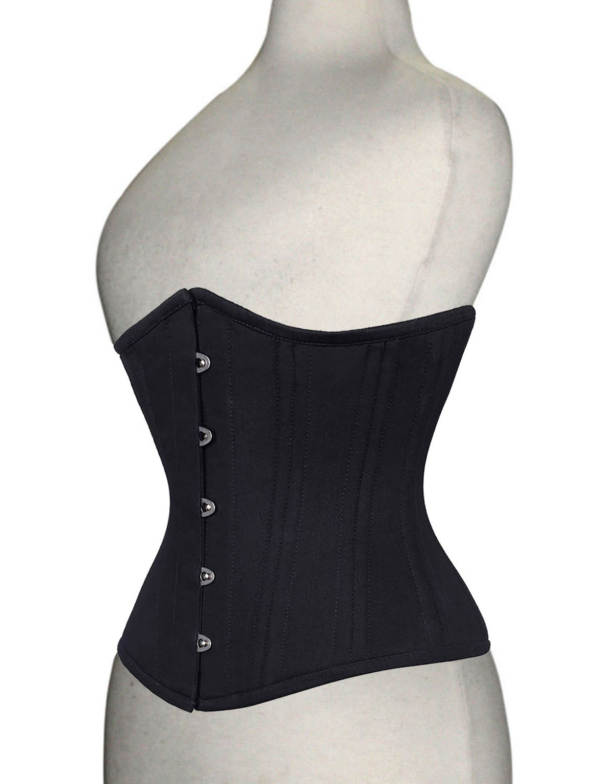
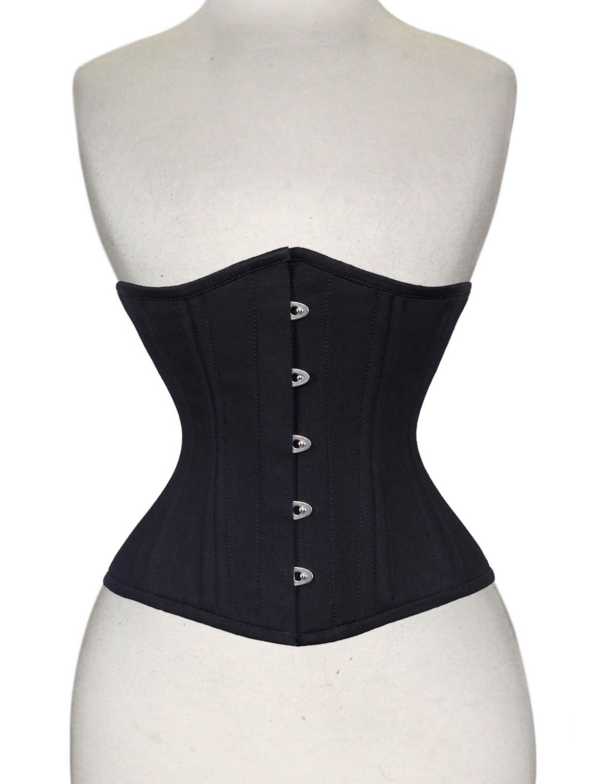
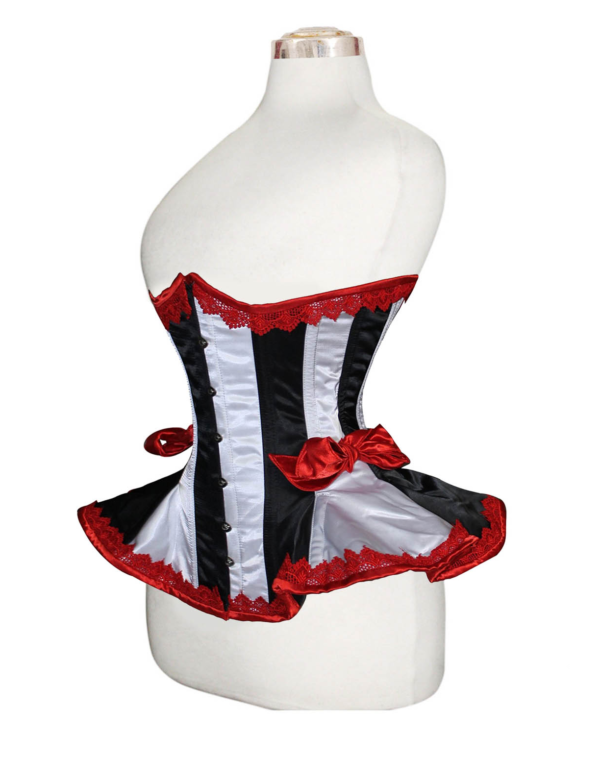
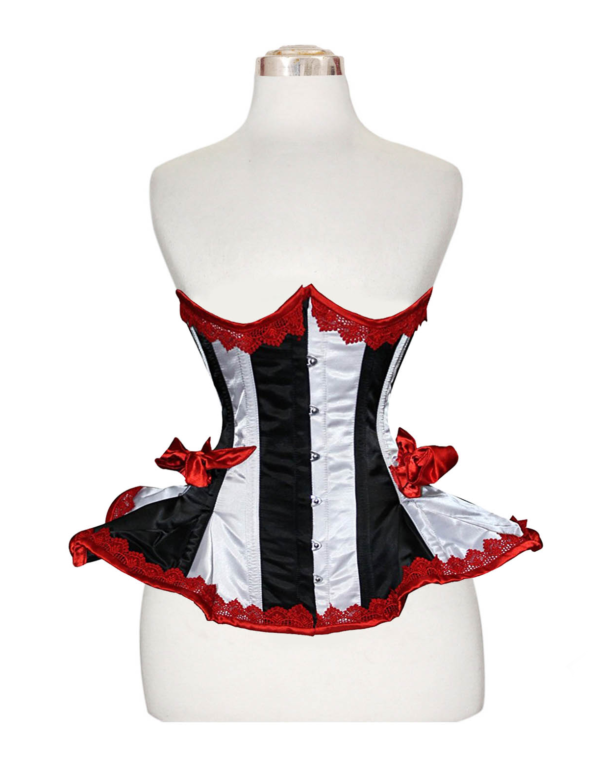
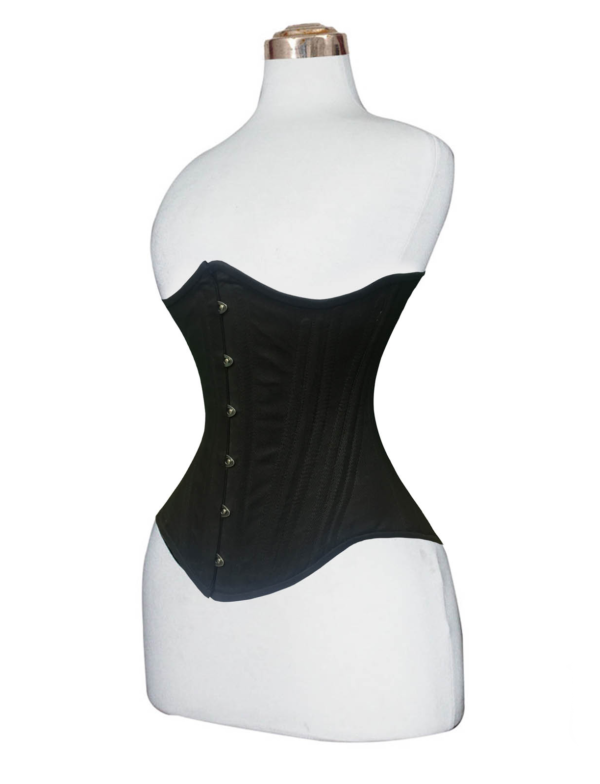
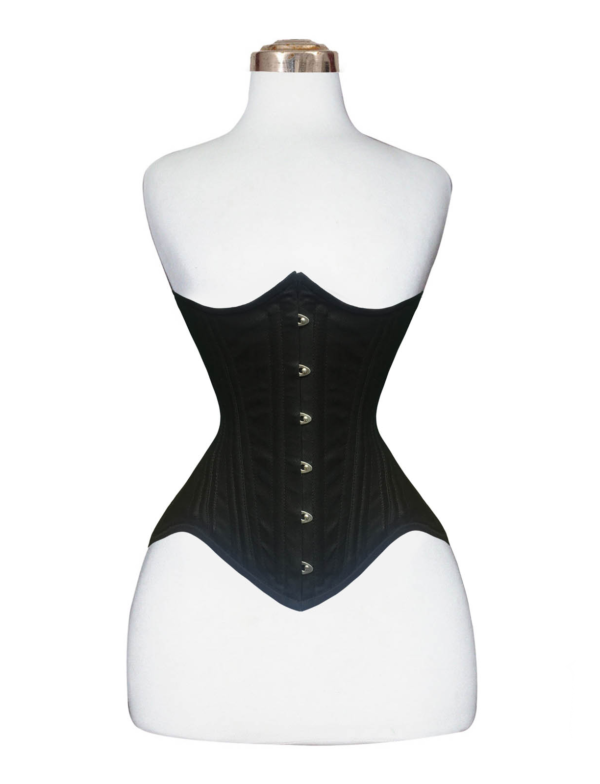
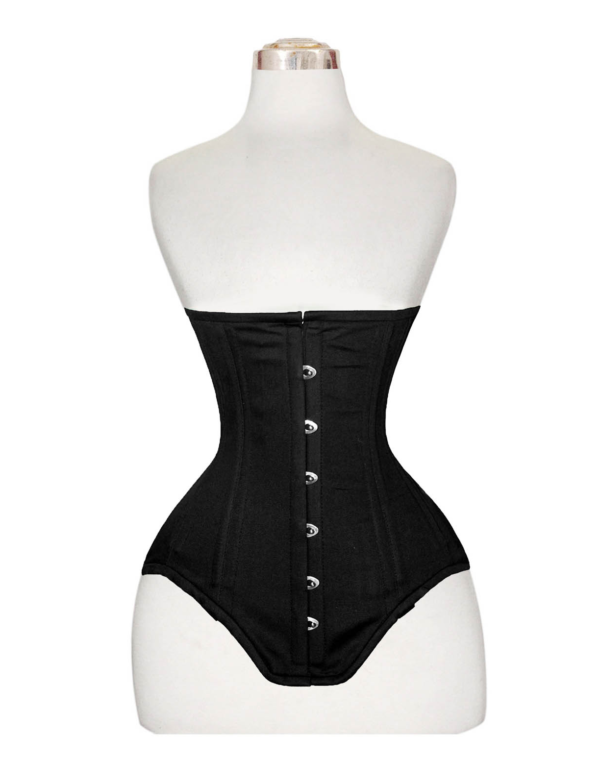
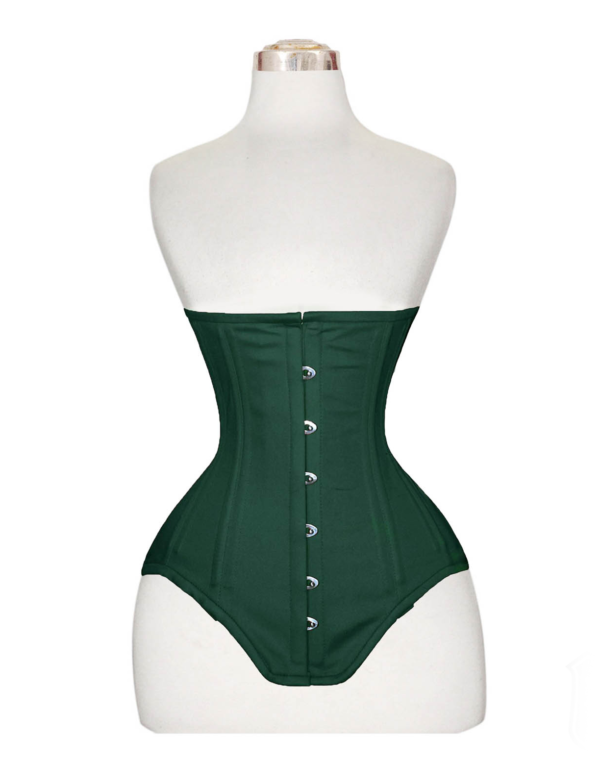
Underbust corsets — the most versatile corset construction, starting at the underbust (just below the bust) and ending at or below the natural waist. Right for waist training, fashion layering over blouses and tops, gothic and alternative fashion styling, and buyers who want maximum styling versatility. Underbust corsets are the honest starting point for most first-time corset buyers and the standard construction for serious tight-lacers.
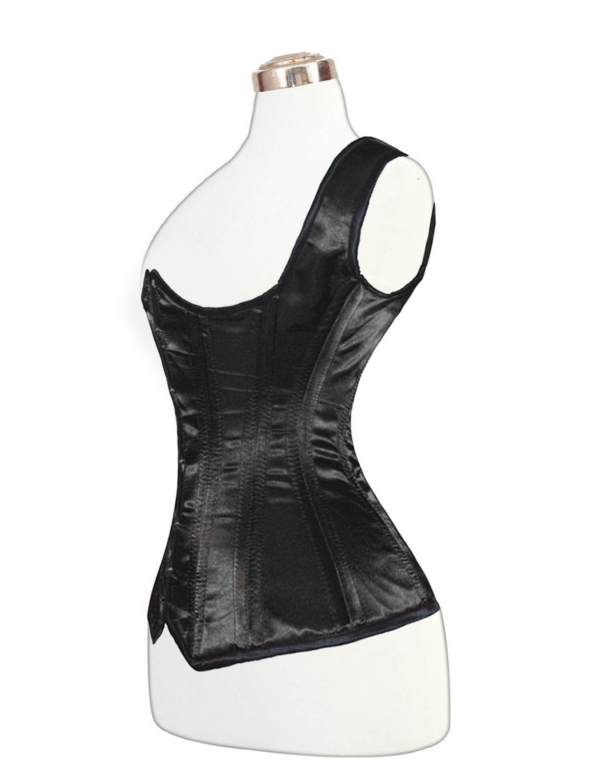
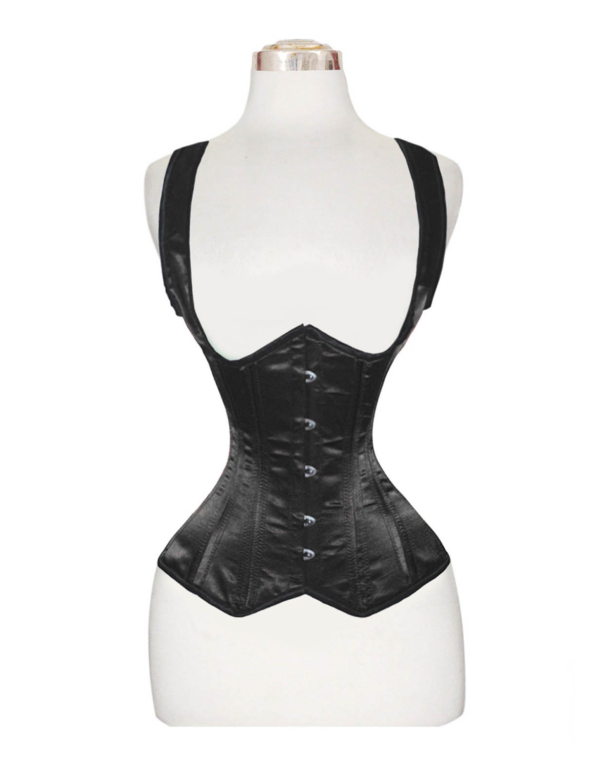
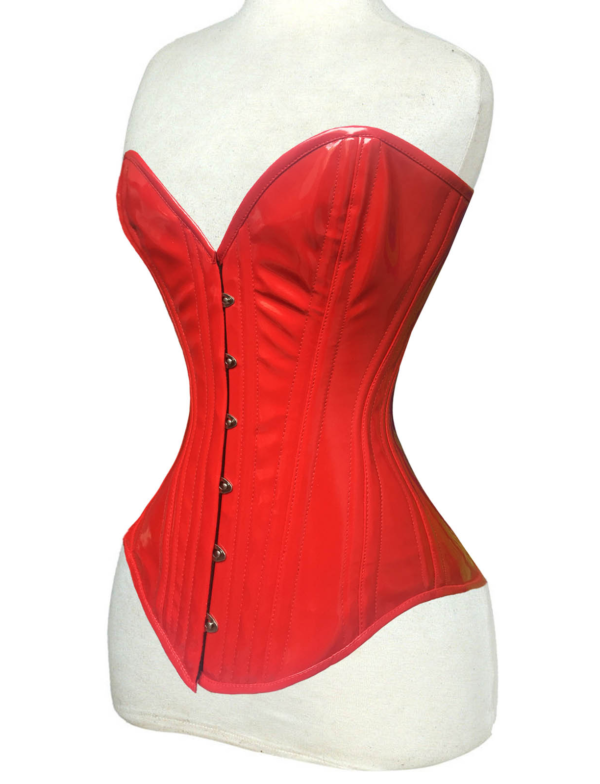
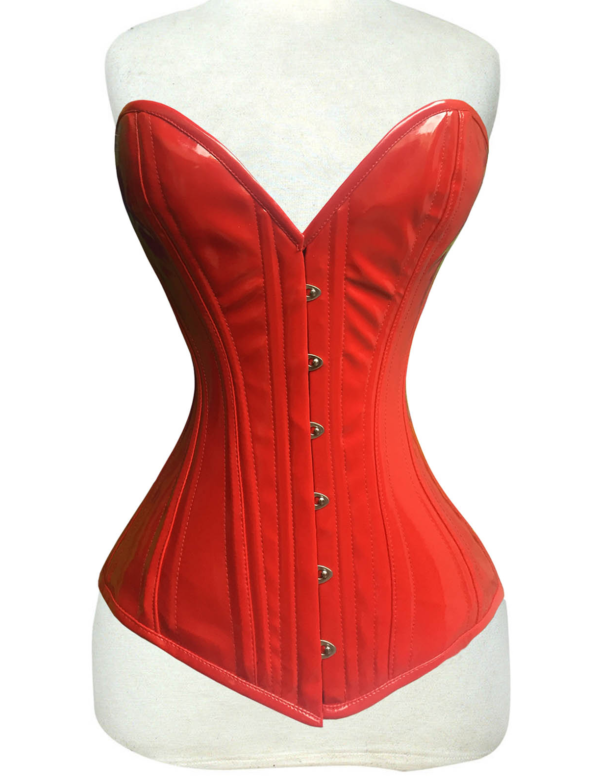
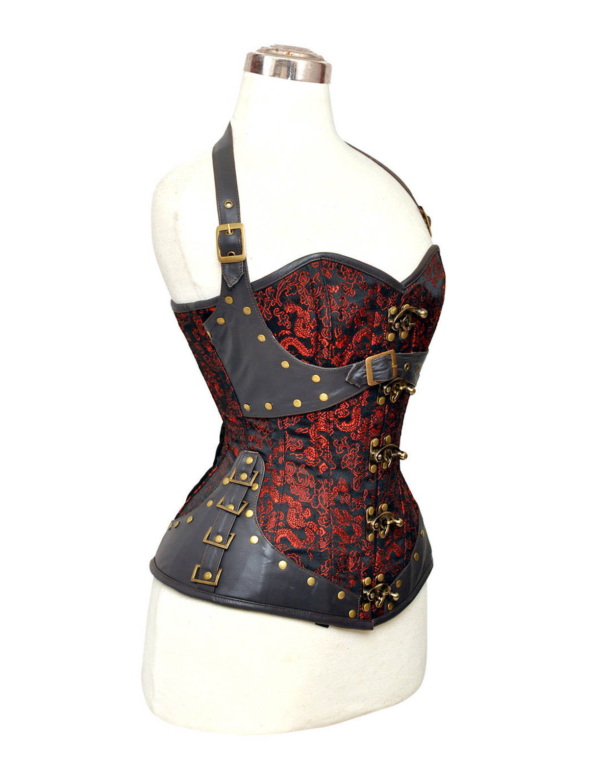
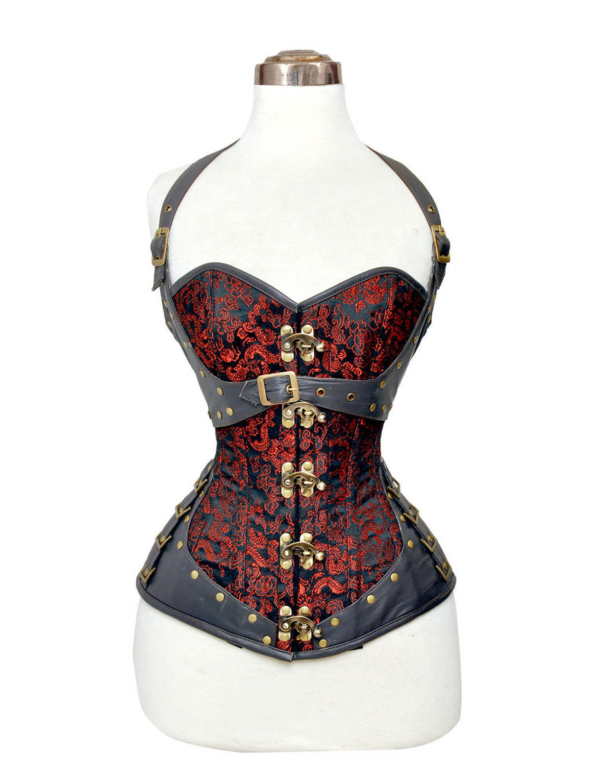
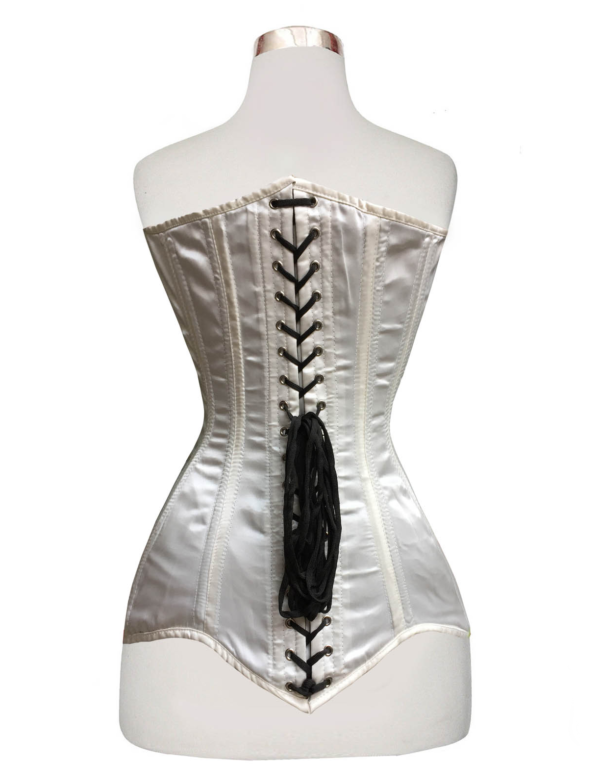
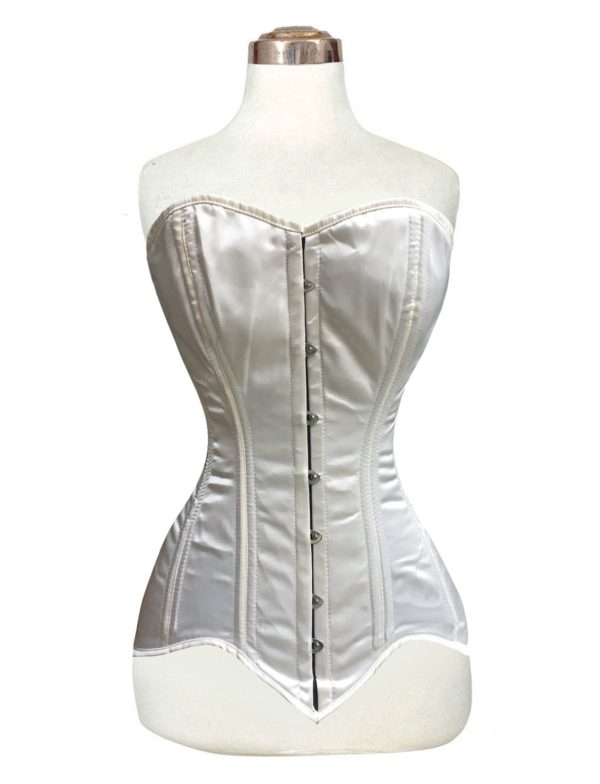
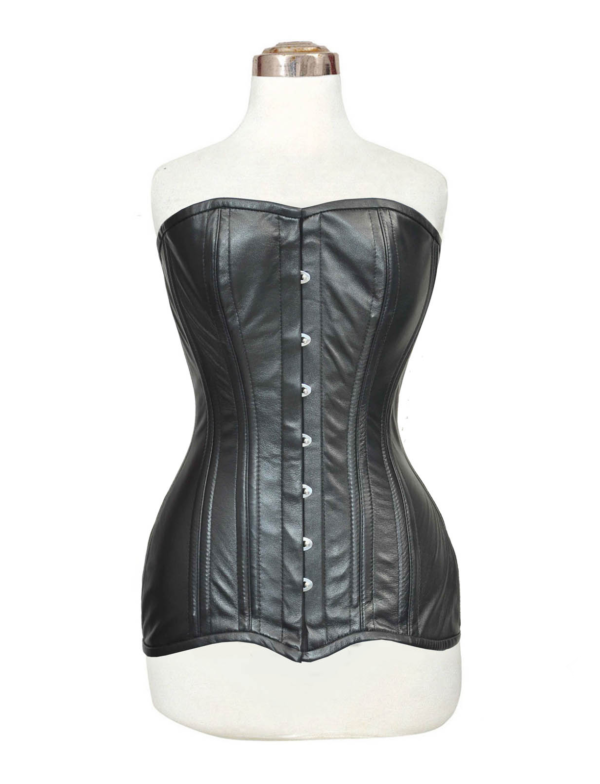
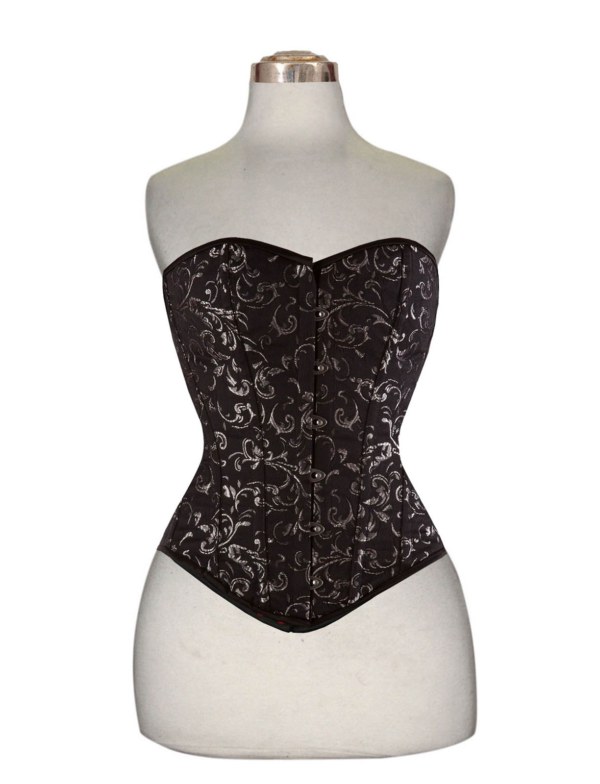
Overbust corsets — the traditional complete corset construction covering bust and torso in one integrated garment with bust cups shaped as part of the corset. Right for Victorian and Edwardian formal wear, bridal contexts, gothic subculture styling as complete outerwear, and buyers who want the corset to be the top piece of an outfit rather than a layered piece.
Waspie corsets — the shortest corset construction, typically 4-6 inches in height targeting only the waist. Right for fashion accent styling, corp goth register with tailored blouses, Victorian and steampunk styling as a hardware-forward waist piece, and buyers who want the corset silhouette without full-torso commitment.
Choose your construction based on how you want the corset to sit on your body and what you're wearing it for. If you're unsure which suits your intent, message us with your styling context and we'll route you to the right construction before you commit.
The styles we make across constructions
Corsets in our range serve several coherent styling registers, and each of the three constructions above can be built in any of the styles below depending on your specific fabric and construction preferences.
Gothic and alternative fashion. Corsets in leather, coated cotton, PVC-coated fabrics, and specialty gothic-register fabrics with matte black or antique brass hardware. Right for gothic subculture styling — trad goth, romantic goth, cyber goth, and gothic streetwear register. Pair with our women's gothic kilts and women's gothic jackets and coats for full alternative fashion outfit builds. Underbust construction typically preferred for gothic register (layered with fitted tops), overbust for gothic register as complete outerwear pieces, waspie for corp goth and lighter gothic accent styling.
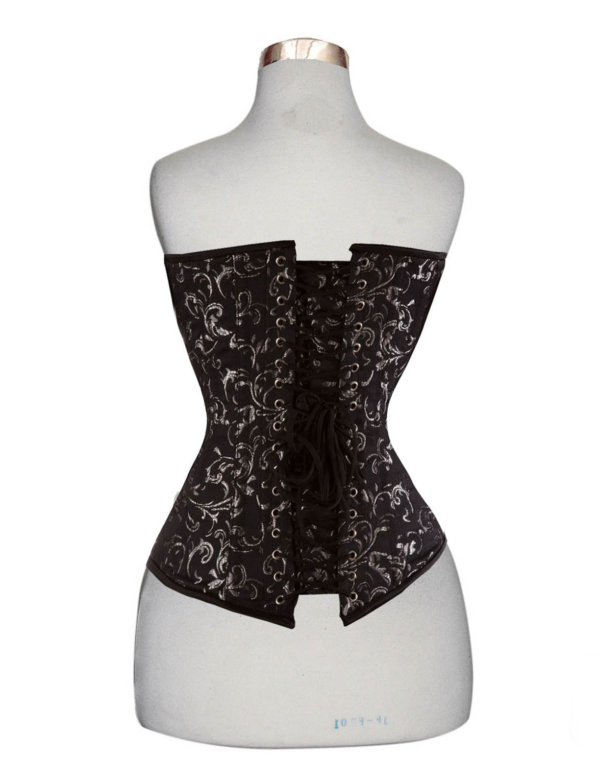
Victorian and steampunk. Corsets in brocade, tapestry, satin, and specialty Victorian-referenced fabrics with brass hardware, decorative detailing, and construction that references historical fashion tradition. Right for Victorian and Edwardian formal wear, steampunk fashion, historical reenactment, and buyers who genuinely engage with Victorian and Edwardian fashion tradition. Steampunk-specific corsets often incorporate mechanical detailing, brass grommets and busks, and specific hardware that reads as authentic to the steampunk aesthetic rather than generic Victorian styling. Overbust construction is traditional for Victorian and Edwardian register; waspies work well for corp goth Victorian and lighter steampunk accent styling.
Bridal. Overbust corsets in ivory, cream, white, or blush satin, brocade, or specialty bridal fabrics — worn as visible corset in alternative bridal register or as the structured base of a wedding gown with the dress skirt attached. Bridal corsets can incorporate lace overlays, embroidery, beading, and specific bespoke detailing on request. Add 6-8 weeks lead time for bridal orders to allow for construction, potential fit adjustments, and safety margin before your wedding date. Waspies also work in some bridal contexts as accent pieces over bridal blouses. Message us with your wedding date, styling direction, and specific requirements for bridal orders.
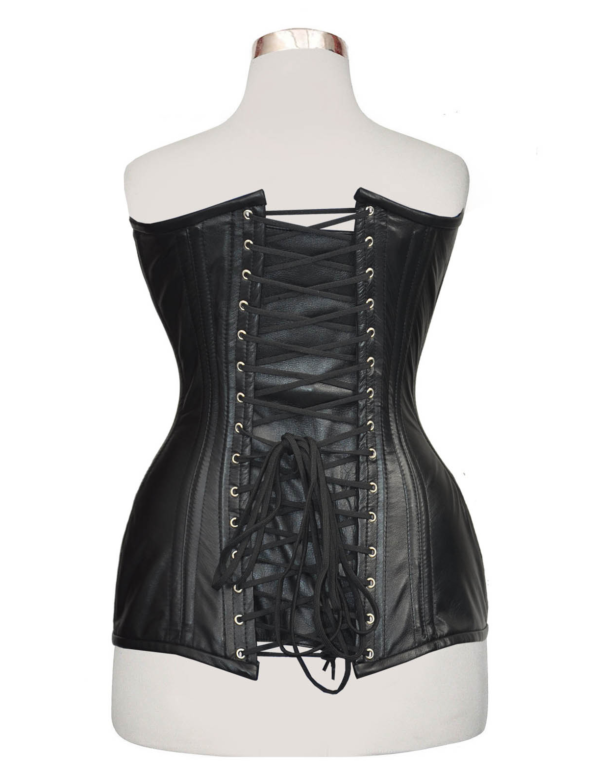
Leather. Corsets in full-grain and top-grain leather across all three constructions. Full-grain leather at higher price points ages meaningfully into personal patina over years; top-grain at more accessible pricing offers similar durability with more uniform appearance. Leather corsets pair naturally with our leather register across the site — women's leather jackets, leather skirts, and gothic outfit builds.
Waist training. Steel-boned underbust corsets specifically designed for serious tight-lacing progression — 2-4 inch waist reduction over months and years of progressive wear with proper technique. Steel-boned underbust construction is the standard for serious waist training; overbust construction is possible but less comfortable for extended training sessions. See our underbust corsets range for the primary waist training construction, and message us for detailed break-in and progression protocol when you order your first waist training corset.
Classic and contemporary fashion. Corsets in satin, cotton, and specialty fabrics with proper construction for buyers who want the corset silhouette in contemporary fashion register rather than in a specific subcultural or historical context. Right for evening wear, considered daily fashion styling, and buyers building corsets into their regular wardrobe rotation. Underbust and waspie constructions are most versatile for contemporary fashion; overbust for more dramatic dressing.
Fabrics we use across the range
Fabric choice determines both the corset's visual register and its long-term wear character. Our range covers the fabrics that suit serious corset construction across all three constructions.
Leather (full-grain and top-grain). The strongest visual register for corsets in gothic, alternative fashion, and statement dressing contexts. Full-grain leather is the top of the leather market — natural grain preserved, ages into personal patina over years, lasts decades of regular wear. Top-grain at more accessible pricing offers uniform appearance and proper durability. We do not use bonded leather or corrected-grain leather that fast-fashion brands market as leather — those materials don't age or last in the same way.
Satin. The classic fashion corset fabric, right for Victorian formal wear, bridal register, evening styling, and buyers who want a smooth structured visual language. Available in black (most versatile), ivory (bridal and formal), and specialty colours across the range.
Brocade and tapestry. Pattern-forward fabric with historical fashion associations, right for Victorian and steampunk register, and buyers who want the corset to reference historical fashion tradition. Brocade works particularly well in steampunk styling with brass hardware detailing.
Cotton and cotton coutil. Cotton coutil is the specific tightly-woven cotton fabric that serious corset makers use for interlining of steel-boned corsets — it doesn't stretch under compression and allows the corset to reshape the body properly over time. Cotton coutil corsets are the traditional serious corset fabric, right for waist training and long-term daily wear.
Velvet. Right for romantic goth register, evening wear, and specialty styling with soft visual language. Velvet corsets pair naturally with Victorian-influenced accessories and dramatic outerwear.
Specialty fabrics. Lace overlays, beaded fabrics, embroidered specialty fabrics for bridal and bespoke formal contexts. Available on request with lead-time discussion for complex custom fabrics.
Hardware finish (busk, grommets, decorative elements) available in matte black, brass, chrome, and antique nickel depending on your specific aesthetic preference. Match hardware finish to the styling register — matte black for gothic and contemporary, brass for Victorian and steampunk, chrome or antique nickel for classic register.
How our corsets differ from mass-market alternatives
Mass-market corsets have specific problems that made-to-measure construction solves. First, sizing. Standard corset size charts fit approximately 40-60% of women properly — everyone else compensates by choosing a size that fits their largest measurement, which means the corset is either too tight in some areas or too loose in others. Poor corset fit is worse than poor fit in other garments because corsets work by distributing compression evenly across the torso — concentrated compression at one point causes genuine discomfort and prevents the corset from doing its job. Made-to-measure means the corset is cut to your specific proportions across every relevant dimension: waist, hips, torso length, bust circumference (for overbust), and any specific fit notes.
Second, construction quality. Fast-fashion corsets typically use plastic bones only (which distort under any real compression), thin fabric without proper interlining (which stretches out and loses shape), and cheap hardware (which fails at grommets and busk closures). Our corsets use steel bones where the construction calls for it (all serious wear, all waist training, all statement outerwear), cotton coutil interlining in steel-boned construction, quality busk closures, and reinforced grommets that don't fail under proper lacing tension. Construction quality determines whether a corset lasts years of regular wear or breaks down within months.
Third, materials. We use full-grain and top-grain leather rather than bonded or corrected-grain; genuine brocade and satin rather than tweed-print synthetic; cotton coutil rather than generic cotton lining. Materials matter for both immediate appearance and long-term wear character.
Fourth, fit adjustment and remake guarantee. If a made-to-measure corset doesn't fit the measurements you sent us when it arrives, we remake it at no cost. This is not standard in the corset market and reflects our commitment to genuine fit rather than approximate sizing.
Sizing, fit, and getting your corset right the first time
Corset sizing depends on the construction and your intended use. Detailed sizing guidance is available on each sub-category page (underbust, overbust, waspie). General principles across all constructions:
For fashion corsets (not for serious waist training), order the corset sized 1-2 inches below your natural waist for a comfortable fit that provides visible shape without significant compression. This is the honest first-corset sizing for buyers new to corset styling.
For waist training corsets, order the corset sized 3-4 inches below your natural waist. This is designed to be worn with an initial lacing gap of 2-4 inches at the back that closes progressively as you break in the corset and your body adjusts to the compression over weeks and months. Do not order a first waist training corset sized more than 4 inches below your natural waist — you'll struggle to close it comfortably and won't be able to progress properly.
For overbust corsets specifically, provide your bust circumference and apex placement measurements in addition to the standard waist and torso measurements. Overbust fit is more visible than underbust fit because the entire corset is visible in most wear contexts.
If you're new to corsets and unsure which construction, size, or fabric to choose, message us with your styling intent, existing wardrobe pieces you're building around, and specific goals (waist training vs. fashion vs. specific event) — we'll advise before you commit.
How our corsets pair with the rest of your wardrobe
Corsets are versatile across styling registers and pair naturally with several other Kilt and Jacks categories. For gothic and alternative fashion outfits — corsets pair with women's gothic kilts, leather skirts, and gothic outerwear (women's gothic jackets and coats) for full alternative fashion outfit builds. For Victorian and steampunk styling — corsets pair with matching skirts, Victorian-influenced blouses, and appropriate accessories. For bridal contexts — overbust corsets integrate with bridal styling as either visible corset outerwear or as structured base for wedding gowns. For contemporary fashion register — corsets over fitted tops or dresses with our women's skirts range and considered outerwear. For corp goth register — waspies over tailored blouses with structured trousers or tailored kilts for professional-adjacent gothic styling.
Every corset ships in ten working days from order confirmation, is hand-tailored at our workshop, and is guaranteed to fit the measurements you sent us. If it doesn't, we remake it at no cost. See our returns policy for full terms.
3 constructionsUnderbust, overbust,
and waspie
and waspie
10 daysCut, tailored,
shipped
shipped
Steel-bonedSerious construction
where called for
where called for
From $159Made-to-measure
pricing
pricing
Frequently asked
Questions before ordering
Which corset construction is right for me?
Depends on your styling intent. Underbust is the most versatile — right for waist training, fashion layering over blouses and tops, gothic and alternative fashion styling, and buyers wanting maximum styling flexibility. It's the honest starting point for most first-time buyers. Overbust is the traditional complete corset covering bust and torso in one integrated garment — right for Victorian and Edwardian formal wear, bridal contexts, gothic subculture styling as complete outerwear, and buyers wanting the corset to be the top piece of an outfit. Waspie is the shortest construction (4-6 inches) targeting only the waist — right for fashion accent styling, corp goth register, Victorian and steampunk accent pieces, and buyers wanting the corset silhouette without full-torso commitment. Some buyers own multiple constructions for different styling contexts. If unsure, message us with your styling intent and we'll advise.
Do I need a steel-boned corset?
Depends on your intended use. Choose steel-boned construction if you're interested in waist training, want the corset to be a serious wardrobe piece worn regularly across years, are wearing the corset visibly as outerwear in gothic or alternative fashion contexts, or want a corset that holds its silhouette regardless of use. Steel-boned corsets are the standard for anyone taking corset wear seriously. Choose standard construction (plastic or light spring steel bones) if you're wearing the corset for fashion layering only, want a lighter piece for occasional wear, or are building a first corset before committing to steel-boned construction. Standard corsets are appropriate for fashion but don't accommodate waist training and will distort over time with heavy lacing. For serious waist training specifically, our underbust corsets range covers steel-boned construction optimised for tight-lacing progression.
What's the difference between waist training and fashion corset wear?
Register and intent. Waist training is the practice of wearing a properly-fitted steel-boned corset regularly (typically 8-12 hours per day, 5-6 days per week) with progressive lacing over months and years to reshape the waist through compression — 2-4 inches of lasting waist reduction is the standard goal for serious tight-lacers. Waist training requires proper corset selection (steel-boned underbust construction sized 3-4 inches below your natural waist), proper technique (progressive break-in, correct lacing method, appropriate wear duration), and ongoing commitment across months. Waist training is not casual — it's a genuine practice with real physical effects on the body. Fashion corset wear is the practice of wearing corsets for visual styling — corp goth register, Victorian fashion, gothic outfits, contemporary statement dressing — without pursuing lasting waist reduction. Fashion corsets are typically sized 1-2 inches below natural waist for comfortable fit that provides visible shape without serious compression. Different intent, different corset choices, different wear patterns. Choose based on what you actually want from your corset.
How do I care for my corset properly?
Depends on the fabric. Leather corsets — spot-clean with a slightly damp cloth, condition twice a year with proper leather conditioner (Saphir Renovateur or comparable), never machine wash or dry clean, store hanging or flat away from direct sunlight. Satin corsets — spot-clean with mild soap and water on the exterior; dry clean only for the corset itself (the boning and construction won't survive machine washing). Cotton and cotton coutil corsets — hand wash cold in a laundry bag with gentle detergent, air-dry flat (never tumble dry). Brocade and specialty fabrics — dry clean only. Across all fabrics: air the corset between wears rather than storing damp; store hanging on a wide hanger or flat on a shelf, never folded; check lacing periodically for wear and replace if fraying. Properly cared for, a hand-made corset lasts years of regular wear. For detailed fabric-specific care guidance, see the FAQ sections on each sub-category page.
Can I order a corset for a specific event or wedding?
Yes. Every corset ships in ten working days from order confirmation, plus international transit time depending on destination. For a wedding, specific event, or date-driven purchase, order at least 6-8 weeks before the event to allow for our workshop time (10 working days), international shipping (typically 3-10 additional days), any potential fitting concerns, and a safety margin. For bridal orders specifically, especially those involving complex customisation (lace overlays, embroidery, dress-attached construction), allow 8-12 weeks lead time. Message us with your event date, corset construction preference, fabric choice, and any specific customisation requirements before ordering to confirm timeline feasibility and any additional lead time for complex bespoke work. Rush orders can occasionally be accommodated with a small rush fee, but we'll be honest with you about whether we can meet your specific date before you commit.
Do you offer corsets in vegan-friendly materials?
Yes. For buyers who avoid leather for ethical or lifestyle reasons, we offer corsets in satin, brocade, cotton coutil, and specialty non-leather fabrics that provide the visual register and construction quality without using animal materials. These vegan corsets are constructed with the same attention to detail as our leather range — appropriate boning specification, quality lining, hardware in matte black or antique brass finish, and reinforced construction for regular wear. Add "vegan materials only" to your order notes or message us before ordering to confirm which specific fabrics are in stock. Note that some specialty fabrics may contain silk, wool, or other animal-derived materials — if you're strictly avoiding all animal materials, specify this in your order notes so we source appropriate alternative fabrics.
Can I customise my corset beyond standard configurations?
Yes. Common customisations across all corset constructions include: fabric colour and specification (bespoke leather colours, specific brocade patterns, alternative satin colours, specialty fabrics), hardware finish (matte black, brass, chrome, antique nickel for busk, grommets, and decorative elements), boning specification (specific bone count, spring steel vs flat steel), lining fabric (satin in specific colours, tartan lining for accents, contrast lining for detail), closure options (specific busk styles, decorative front closures), and decorative detailing (contrast piping, decorative panels, embroidery for bridal and formal contexts). Add customisation requests to your order notes or message us before ordering to confirm feasibility and any additional pricing for complex bespoke work. Standard customisations don't carry additional fees.
What if I'm new to corsets and unsure where to start?
Start with a waspie in black satin or leather sized 1-2 inches below your natural waist. Waspies are the most accessible entry point — smaller, less expensive, easier to wear casually, and don't require the full-torso commitment of underbust or overbust construction. After wearing a waspie for a few months, you'll have a clearer sense of whether corset styling suits your fashion goals and whether you want to progress to full corset construction. Alternatively, if you want to start with a full corset, a standard construction underbust corset in satin or cotton, sized 1-2 inches below your natural waist, gives you a versatile piece that works across multiple styling registers without the commitment of steel-boned construction and serious waist training reduction. For most new buyers, starting with a first steel-boned corset sized for serious waist training is unnecessarily demanding. Message us with your goals and we'll advise on the honest starting point for your specific situation.