BLACK FRIDAY IS HERE! ✦ 20% OFF EVERYTHING · Shop the Sale →
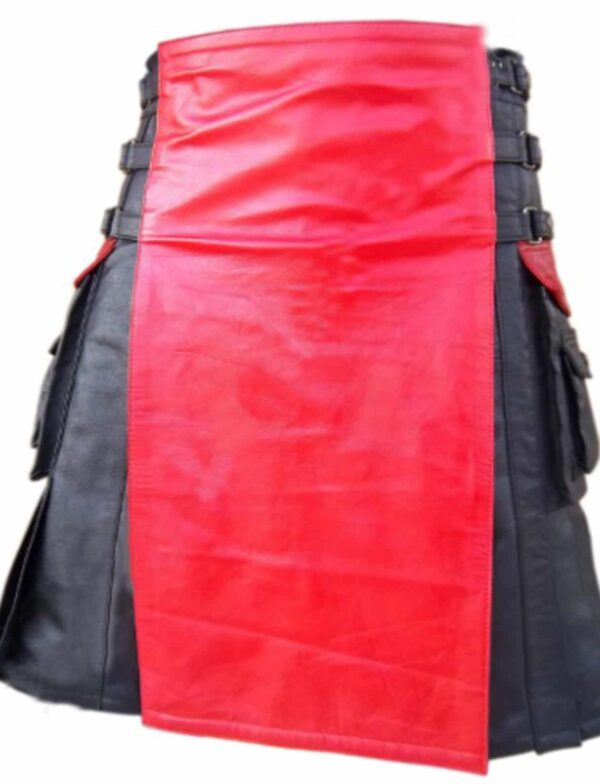
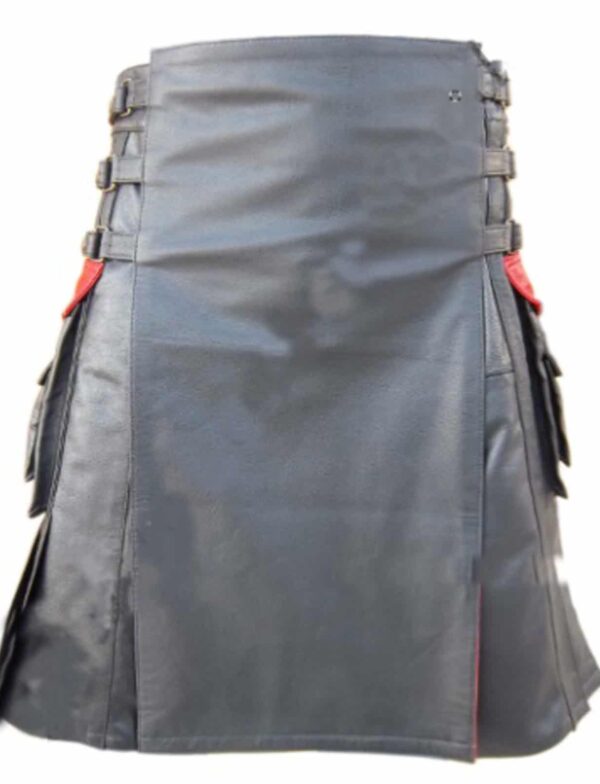
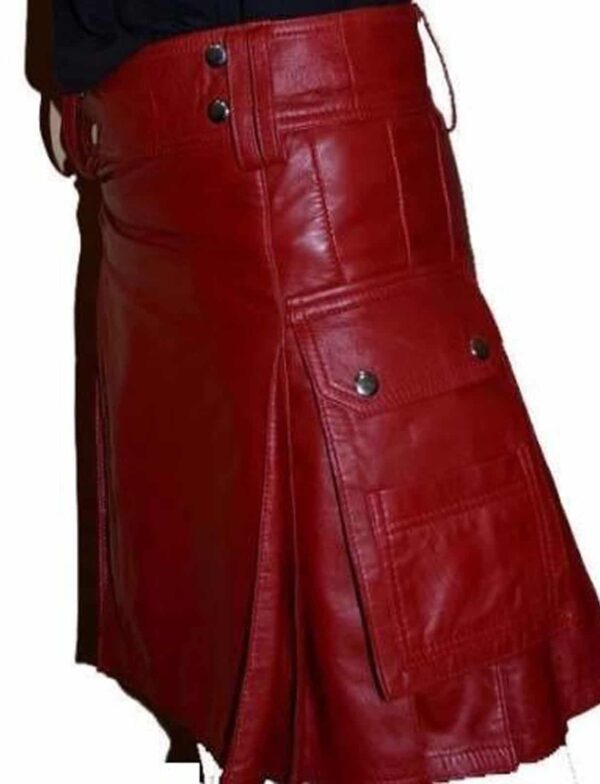
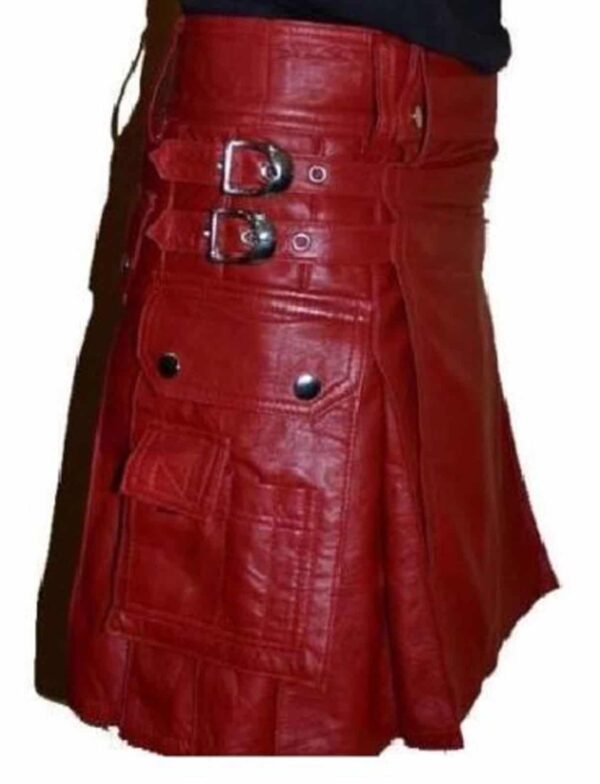
About our leather kilts
Leather kilts, hand-cut to your measurements since 2017
Kilt & Jacks has been making leather kilts by hand since 2017. Every leather kilt we ship — whether classic, utility, or gothic — is drafted from three measurements you send us: waist at the natural waistline (not the trouser waist, which is the single most common measurement mistake), hip at the widest point, and length from waist to the middle of the kneecap. There is no factory sizing. There is no closest fit. Prices from $250, in full-grain or split-hide leather with solid brass hardware throughout.
What makes a leather kilt different
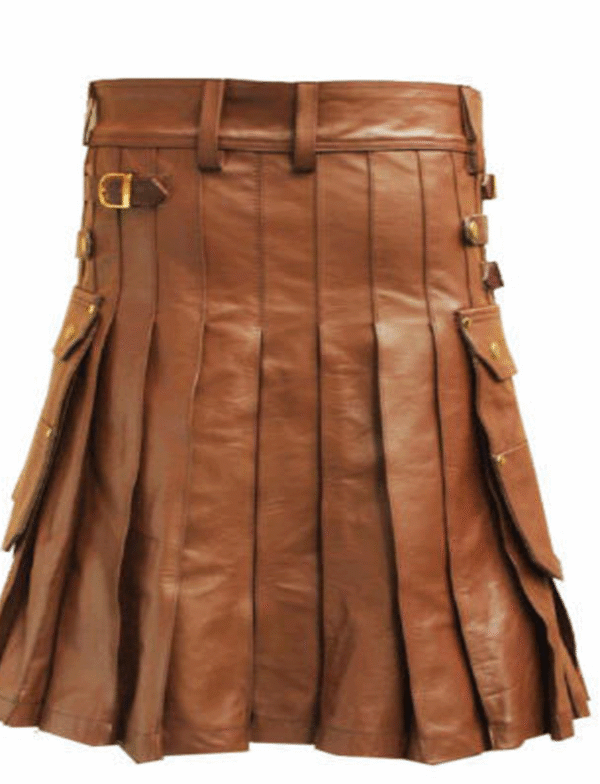
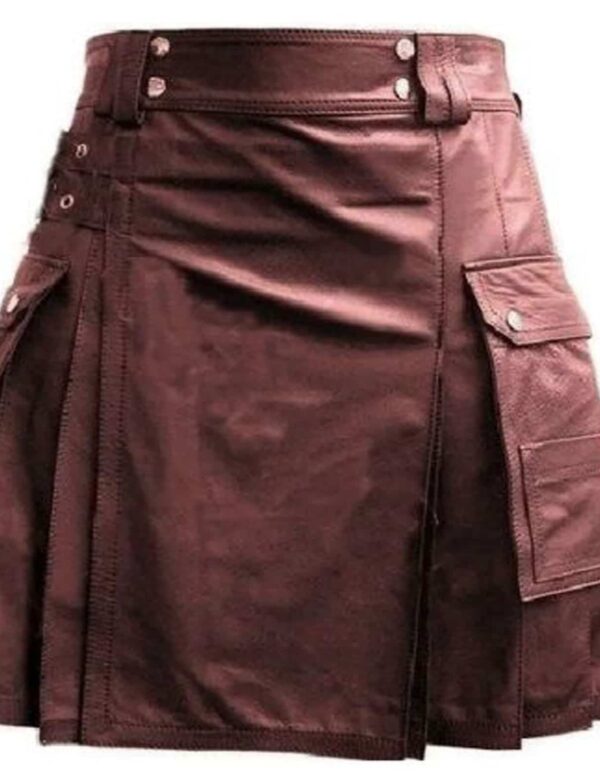
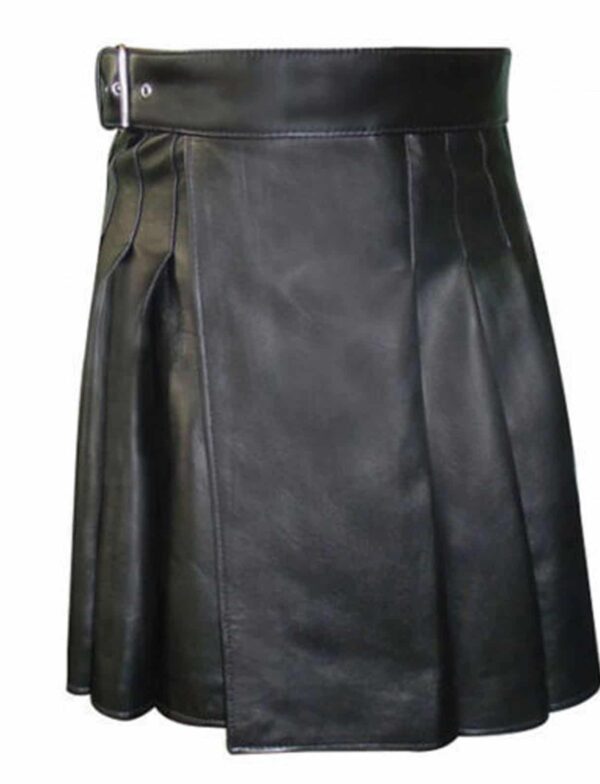
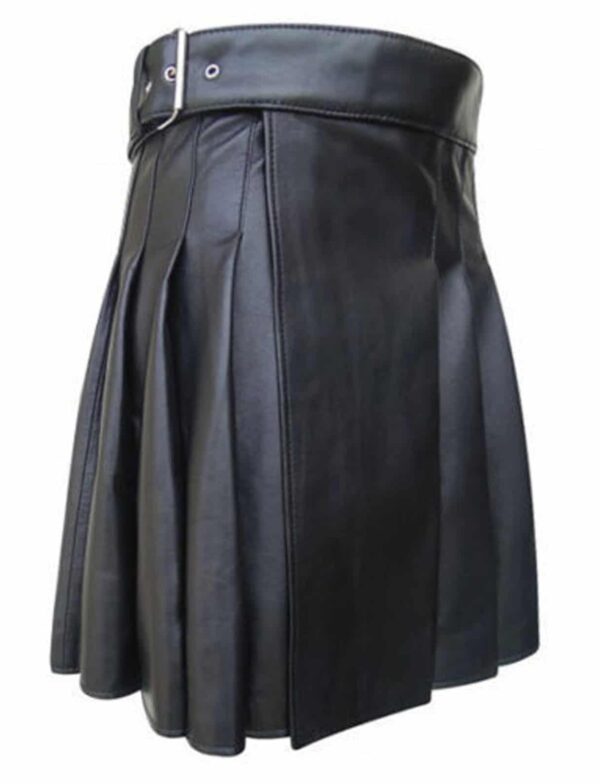
A leather kilt keeps the silhouette of the traditional Scottish kilt — wraparound closure, adjustable side straps, hem falling to the middle of the kneecap — but replaces woven cloth with hide. Because leather doesn't pleat the way wool does, the pleats on a leather kilt are stitched permanently rather than hanging loose. The result is a heavier drape and a more structured shape than a tartan kilt: closer in feel to a weighted skirt than a garment that swings when you walk.
Historically, leather kilts are a modern reinvention. There is no Scottish tradition of leather kilts — they were popularised through metal, punk, and biker subcultures from the 1980s onwards, and are worn today for gigs, festivals, alternative styling, motorcycle culture, and fashion contexts rather than for formal Highland dress. If you're being fitted for a wedding, clan gathering, or Burns Night, the correct choice is a Scottish tartan kilt, not a leather one — the two visual languages don't overlap.
Materials and construction
We work in two grades of hide. Full-grain leather is the outermost layer of the hide, the strongest and longest-lived grade, and the one that develops the patina and character leather is bought for. It softens over the first month of wear and lasts twenty years or more with basic care. Split leather is the lower layer, lighter and more affordable, with a uniform surface finish rather than natural grain. Split is the right answer if you want the look at a lower price point and don't need decades of wear.
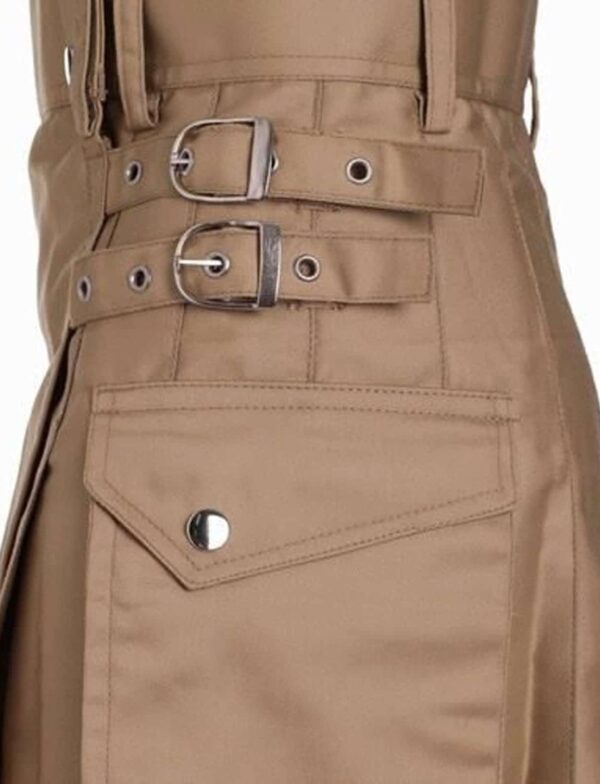
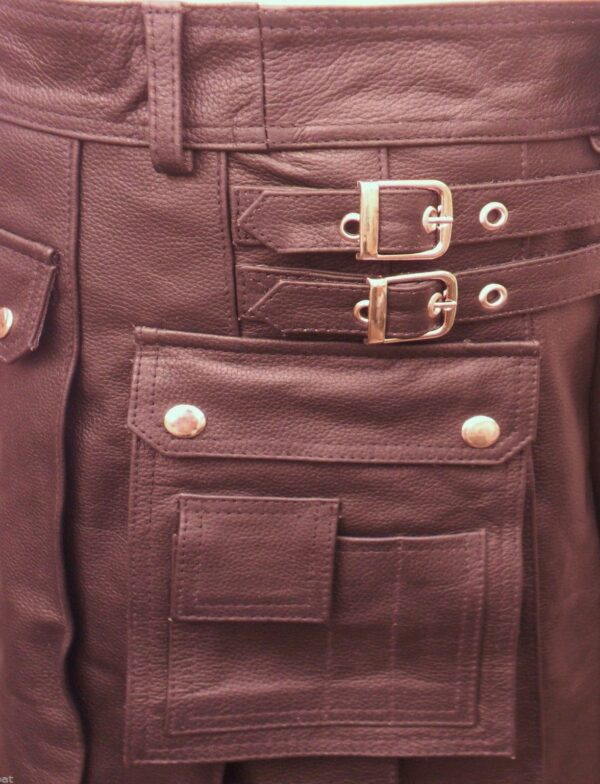
Hardware is solid brass or matte black — buckles, D-rings, and rivets. Belt loops are reinforced at every attachment point. Stitching is heavy waxed thread, doubled at stress points. Every leather kilt is inspected against the measurements you sent us before it ships.
The styles of leather kilt we make
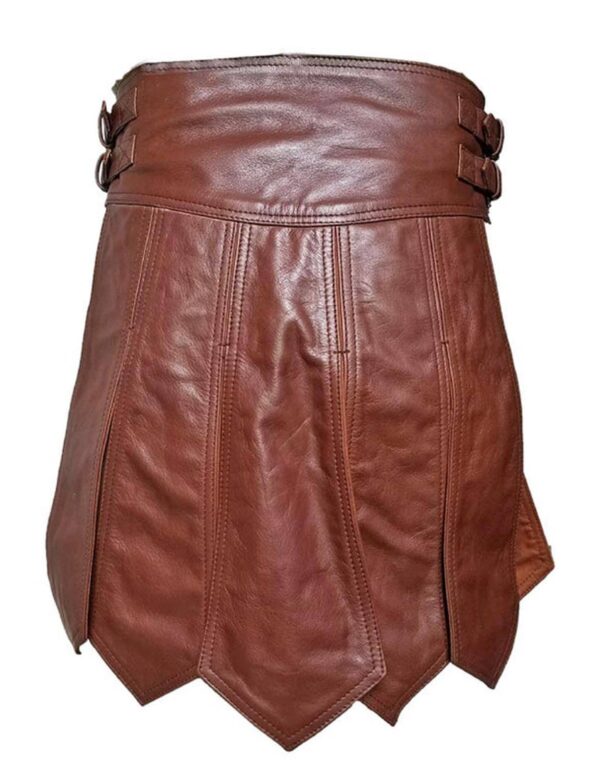
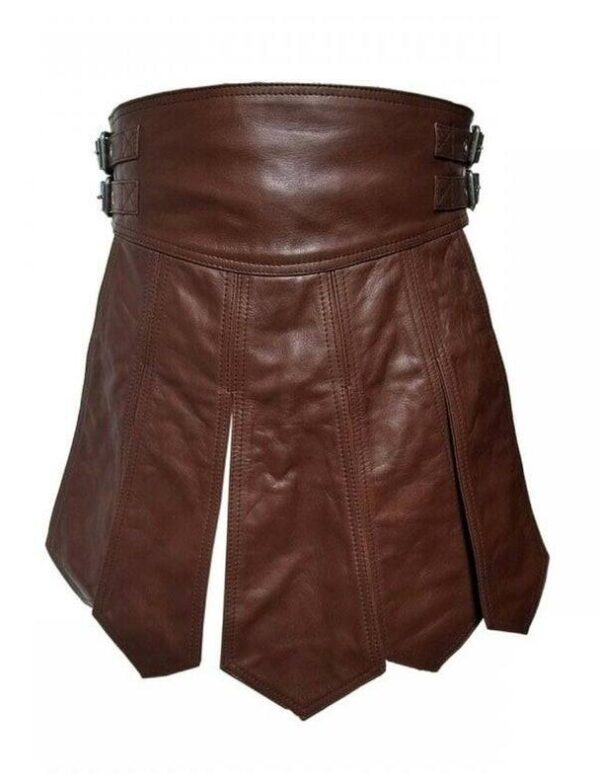
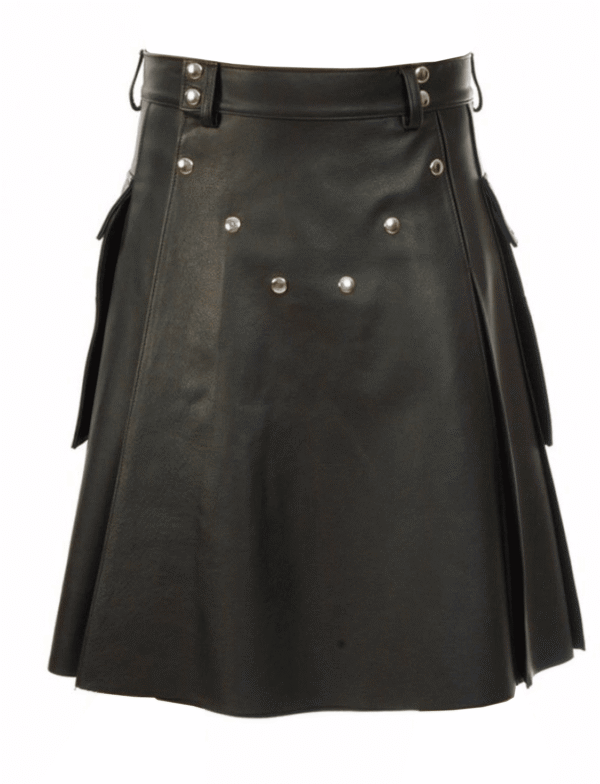
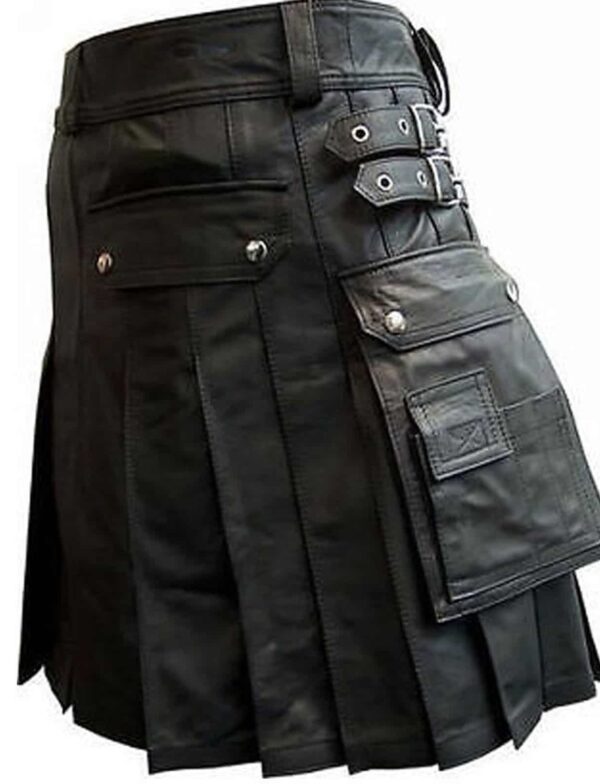
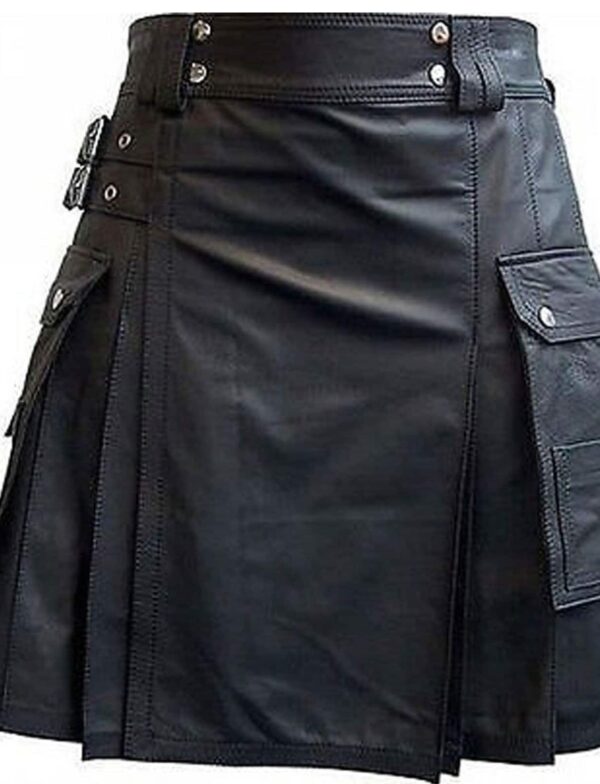
Classic leather kilt. Plain full-grain hide, minimal hardware, structured pleats. Reads closest to the traditional kilt silhouette. Right for men who want the leather statement without the subcultural signalling — festival wear, styled events, fashion-forward daily wear.
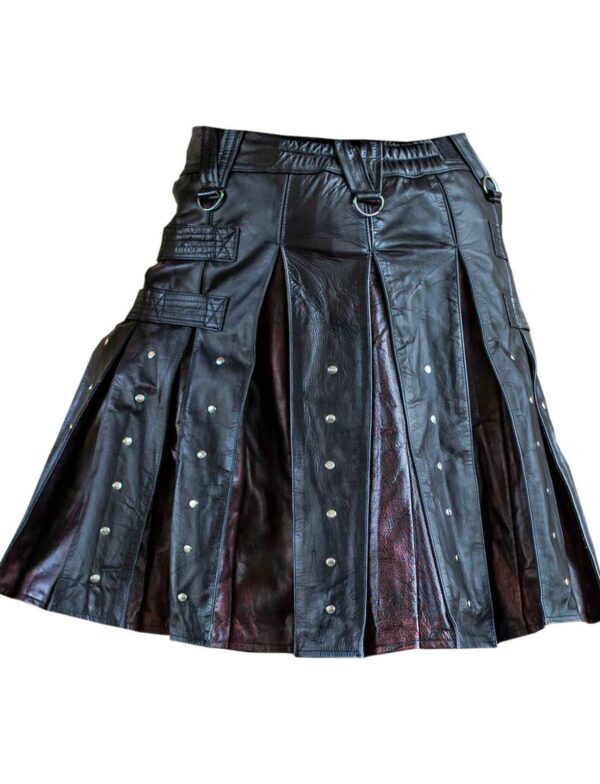
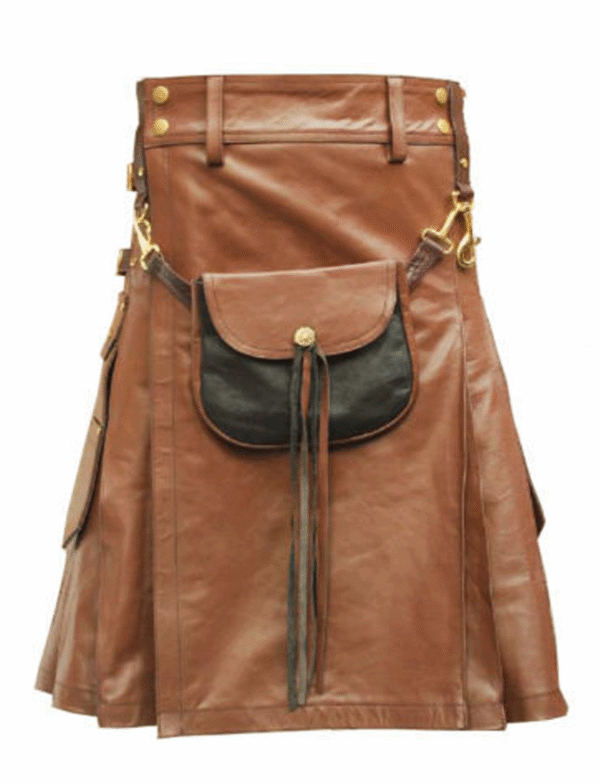
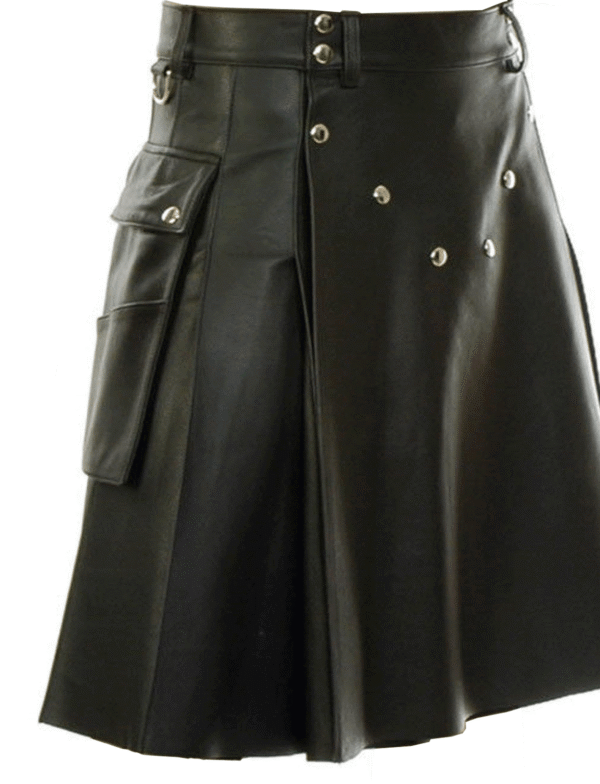
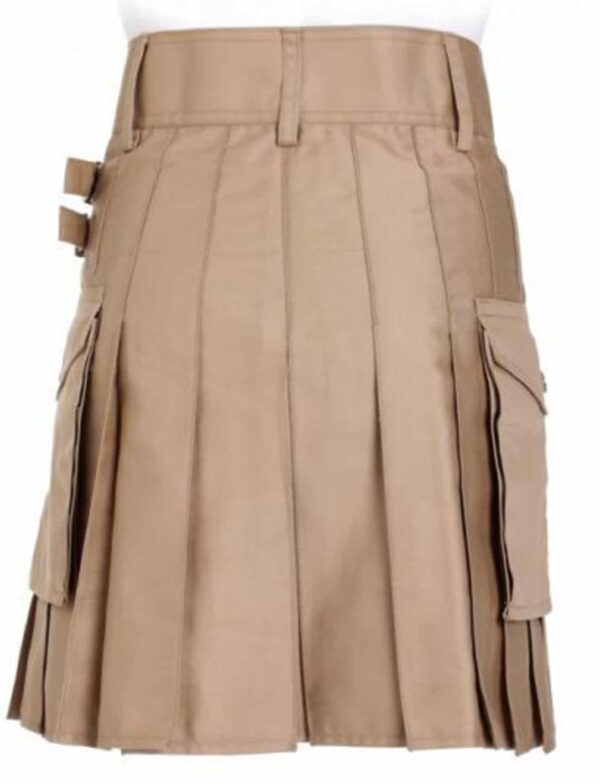
Utility leather kilt. Adds functional pockets, cargo panels, and extra straps to the classic shape. Right for riders, festival-goers, and daily wear where you need to carry keys, phone, and wallet without a bag.
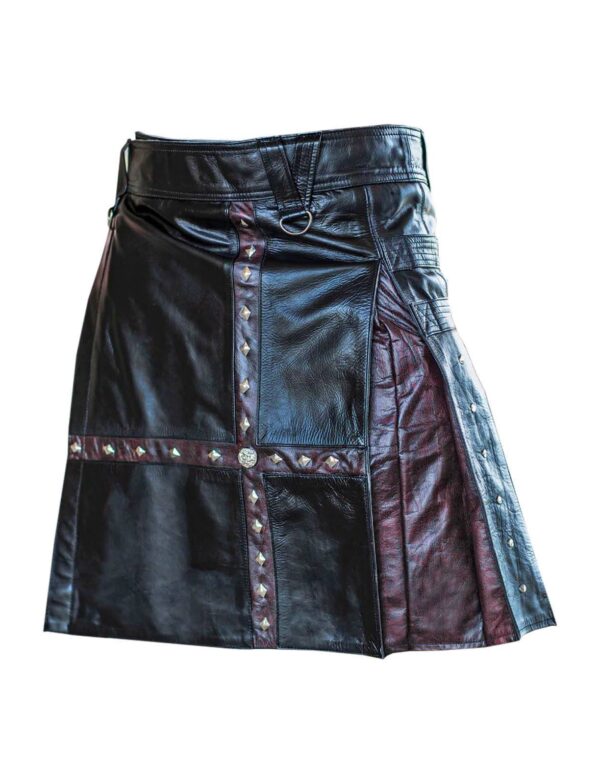
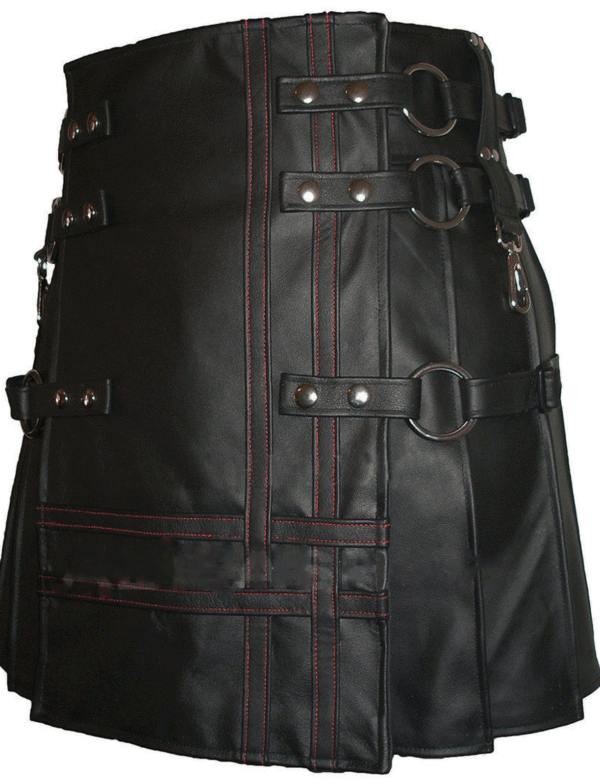
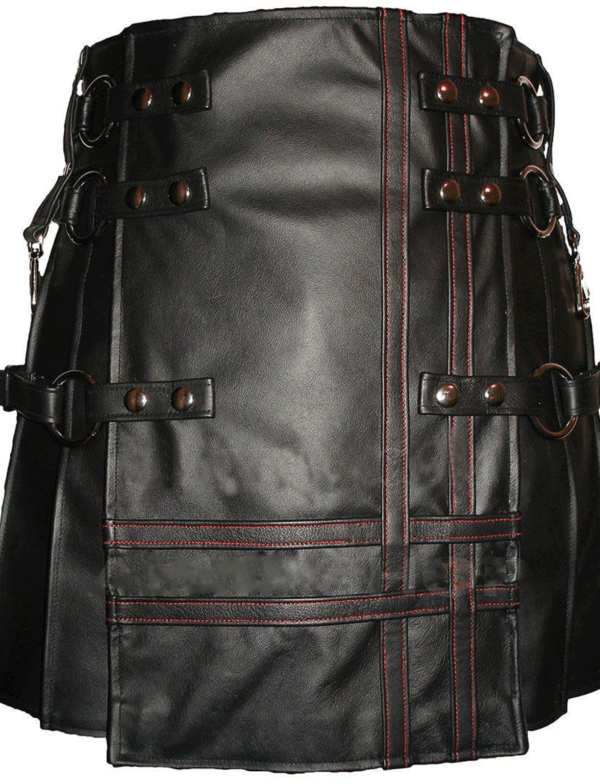
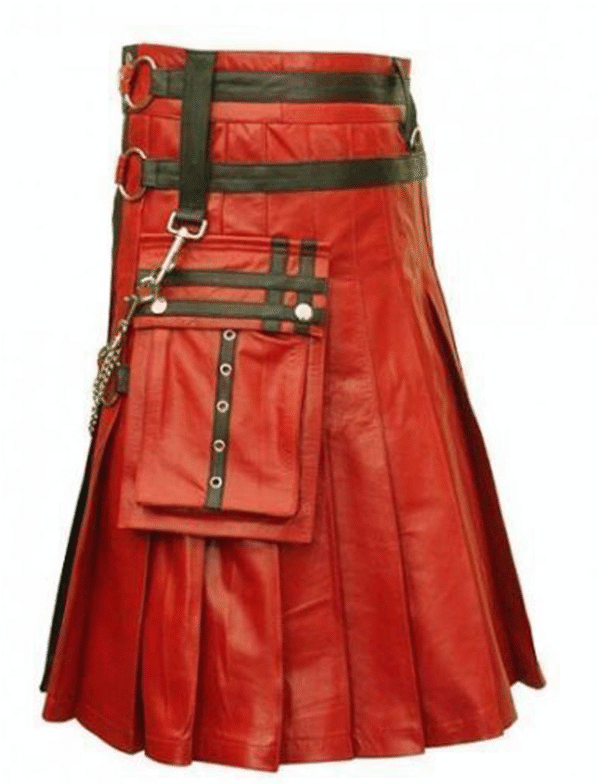
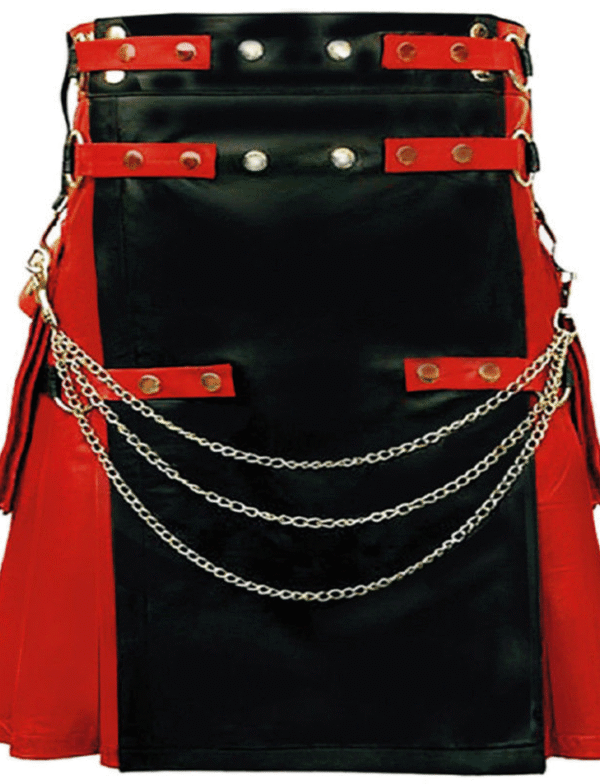
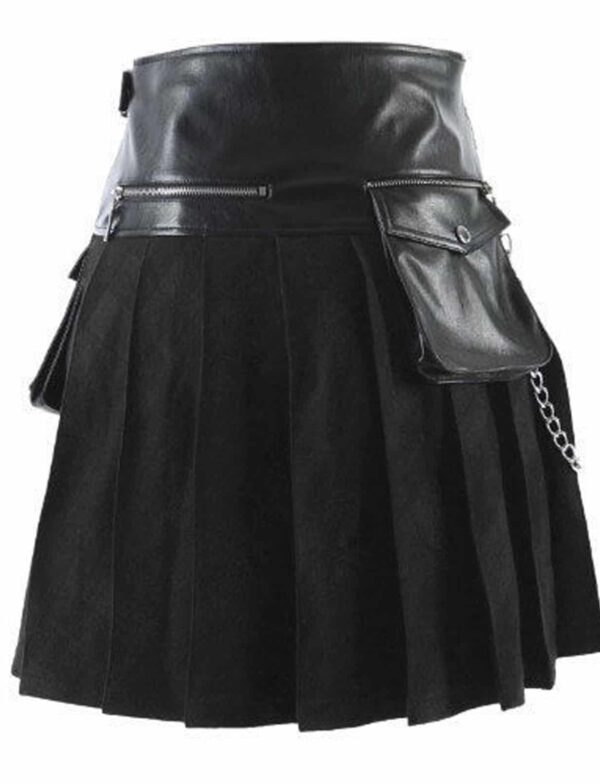
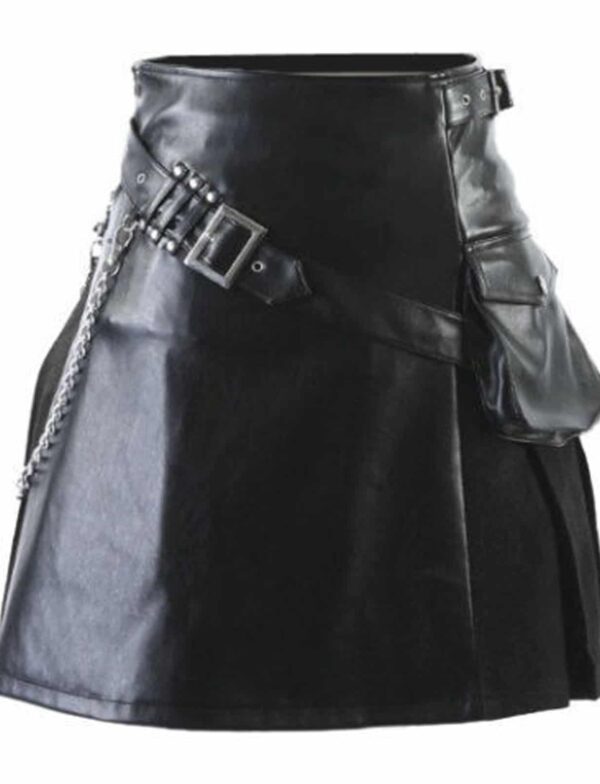
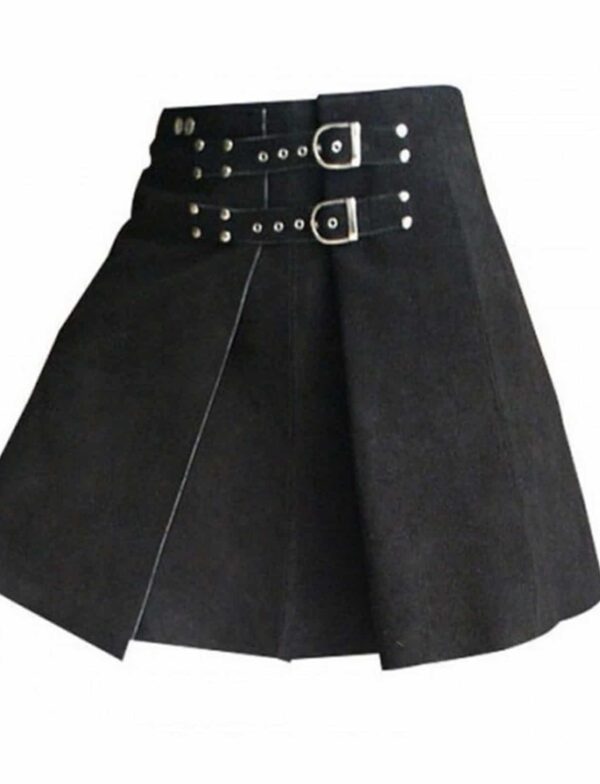
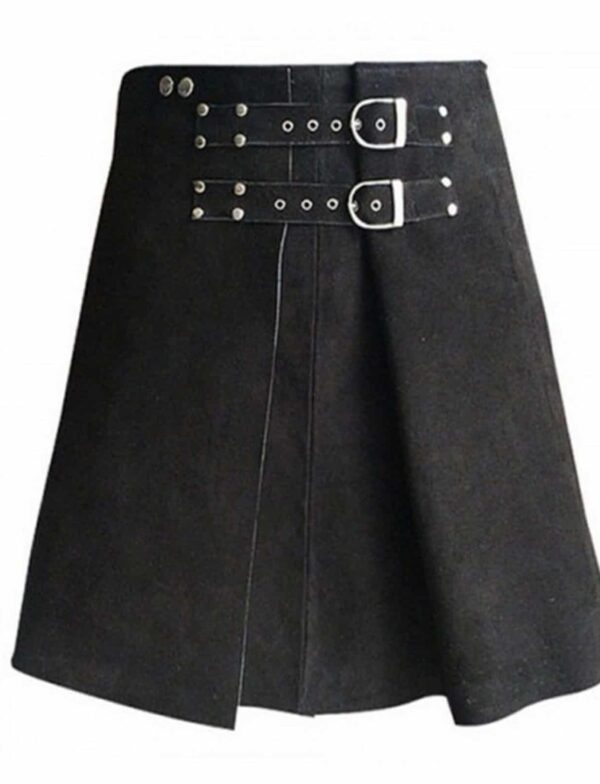
Gothic leather kilt. D-rings, chains, buckle detailing, and layered straps. The strongest visual language of the three. Right for gigs, alternative nightlife, goth and industrial scenes, LARP, and any event where the kilt is meant to be seen and read as a statement.
Not sure which fits your use case? Message us with the occasion — we'd rather trade three emails now than remake a kilt in six weeks.
Choosing your leather kilt
Choose by use case first, hide grade second, hardware third. If you'll wear the kilt regularly and want it to age into something personal, full-grain is worth the premium — patina is the entire point of leather. If it's for occasional wear or a specific event, split-hide gives you the look without the investment. Classic for styled and fashion contexts; utility for riders and daily carry; gothic for stage, scene, and statement.
Every leather kilt ships in ten working days, is cut and stitched by hand at our workshop, and is guaranteed to fit the measurements you sent us. If it doesn't, we remake it. See our returns policy for full terms. Leather is one of five styles of men's kilts we make — see also utility, hybrid, and Scottish tartan.
Full-grain hideOr split hide,
buyer's choice
buyer's choice
10 daysCut, stitched,
shipped
shipped
Solid brassHardware
throughout
throughout
Free remakeIf the fit isn't
perfect
perfect
Frequently asked
Questions before ordering
What is a leather kilt?
A leather kilt is a kilt-shaped garment cut from leather instead of tartan wool. It keeps the pleated silhouette of the traditional Scottish kilt — wraparound closure, adjustable side straps, hem falling to the middle of the kneecap — but replaces the woven cloth with full-grain or split hide. Because leather doesn't pleat the way wool does, the pleats on a leather kilt are stitched permanently rather than hanging loose, which gives the garment a heavier drape and a more structured shape. Leather kilts have no historical basis in Scottish dress — they emerged through metal, punk, and biker subcultures — and are worn today for gigs, festivals, alternative styling, and fashion contexts rather than formal Highland events.
How do you clean and maintain a leather kilt?
Never machine wash a leather kilt — water damages the hide and destroys the finish. Spot-clean surface marks with a slightly damp cloth and mild leather soap (saddle soap or a purpose-made leather cleaner), then wipe dry immediately. For deeper cleaning, take it to a leather specialist. Every three to six months, apply a neutral leather conditioner thinly, let it absorb, then buff — this keeps the hide supple and prevents cracking. Store on a wide hanger away from direct sunlight and heat; folded storage causes permanent creases. With basic care, a full-grain leather kilt lasts twenty years or more and develops a patina that deepens with wear.
How do you style a leather kilt?
Styling depends on the look you're going for. For gothic and alternative — pair with a black t-shirt or fitted long-sleeve, heavy boots (Doc Martens, combat, Rangers), and a leather jacket. For biker and rider — a plain tee, heavy boots, and a denim or leather jacket, with hardware kept minimal so the kilt reads functional rather than costume. For festival and streetwear — a graphic tee, canvas sneakers or boots, and a hoodie or lightweight jacket, letting the leather do the heavy lifting. For fashion-forward wear — a tucked white shirt, minimal accessories, clean boots, treating the leather kilt as the statement piece. Avoid pairing leather kilts with traditional Highland accessories (sporran, sgian dubh, ghillie brogues) — the two visual languages fight each other.
What is the fit of a leather kilt like?
A leather kilt fits more structured and less flowing than a tartan kilt. Because the pleats are stitched rather than hanging loose, the garment holds its shape rather than swinging with movement — closer in feel to a weighted skirt than a traditional kilt. It sits at the natural waistline (one to two inches above the trouser waist), fastens with adjustable side straps, and falls to the middle of the kneecap when made to the standard length. New leather feels stiff for the first few wears and softens noticeably over the first month as it moulds to your body. All our leather kilts are drafted to the three measurements you send us — waist, hip, and length — so the fit is cut specifically, not sized from a chart.
Where can you wear a leather kilt?
Leather kilts read as at-home at gigs, festivals, and concerts — particularly metal, punk, industrial, and goth scenes, where leather is the shared visual language. They also suit biker rallies and motorcycle events, alternative nightlife and clubwear, Halloween and themed parties, Renaissance fairs and LARP (barbarian, warrior, post-apocalyptic characters), and modern fashion contexts as a statement piece. Where they are not the right choice is traditional Highland dress: weddings under a Scottish or Celtic dress code, Burns Night dinners, clan gatherings, and similar ceremonial events call for a tartan kilt with proper Highland accessories. If you're buying for one of those, see our Scottish tartan kilts instead.